

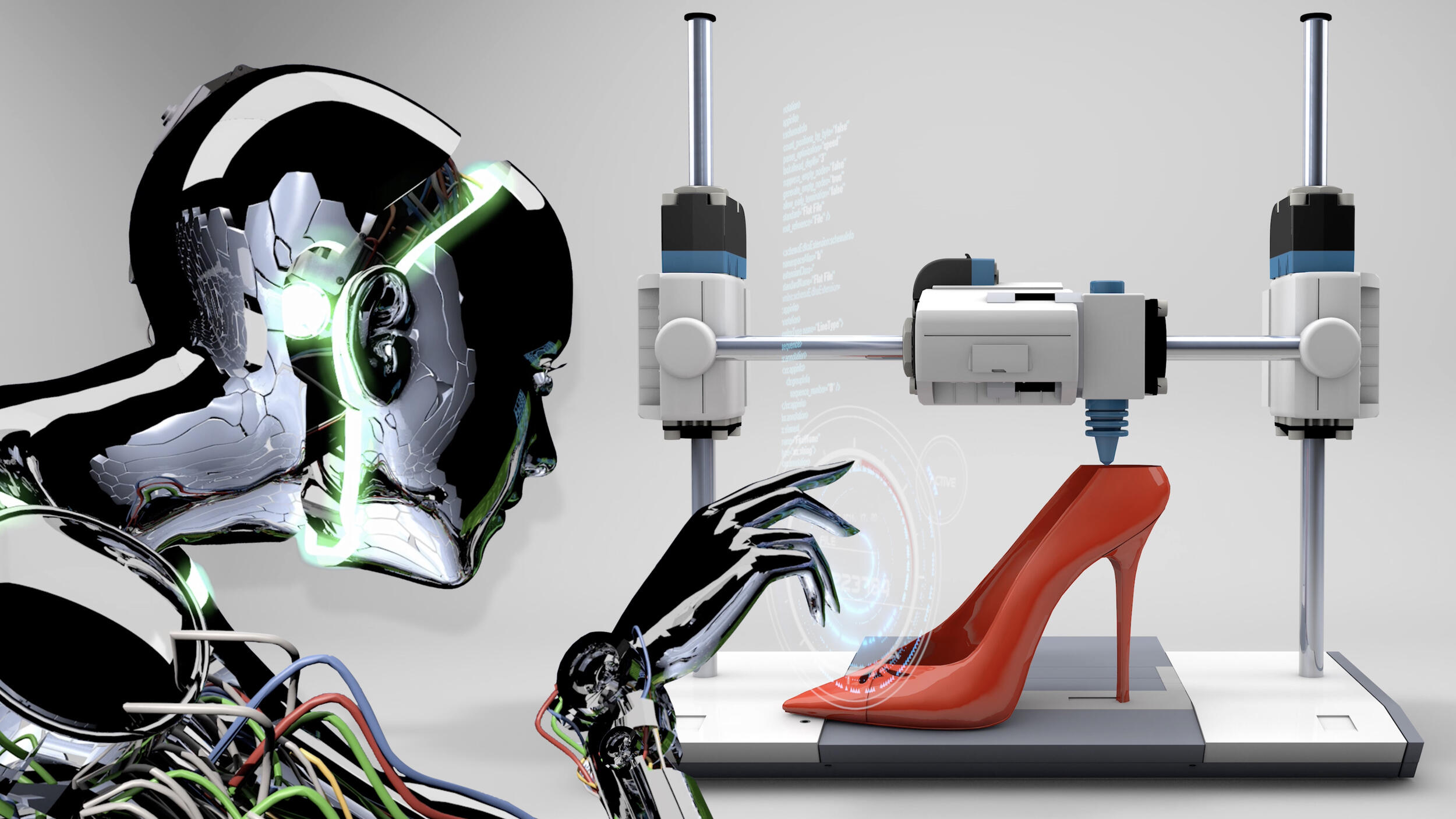
The Fabric of Fashion: AI’s Role in Design and Merchandising
Fashion, often viewed as a distinctly human endeavor, has begun integrating artificial intelligence (AI) into its intricate tapestry. From the innovation in design to the revolution in merchandising, AI is reshaping the way we think about clothing and commerce. At Virginia Commonwealth University’s School of the Arts, professors Hawa Stwodah and Jennie Cook are at the forefront of this transformation, diligently exploring the implications of AI within their respective fields of fashion design and merchandising.
AI’s Influence on Fashion Design
Hawa Stwodah, an assistant professor of fashion design, describes the profound impact of AI on the design process. “AI has influenced nearly every aspect of the fashion industry. It’s been harnessed to streamline production and accelerate research and development,” she notes. The goal has been clear: improve efficiency on both creative and business fronts.
Stwodah emphasizes the importance of equipping her students with the tools necessary to enhance their creative potential. With these tools, students can navigate the evolving landscape of design while retaining their unique artistic vision.
The Evolution of AI in Merchandising
On the merchandising side, Jennie Cook highlights a more gradual emergence of AI. Initially, machine learning was implemented behind the scenes to aid in merchandising decision-making, influencing areas like demand forecasting and size predictions. “Brands utilized AI long before students were even aware of chatbots,” she explains.
As time progressed, the second wave of AI introduced a consumer-facing experience that set the stage for a new era of personalization. Today, personalization has become an expectation, dictating everything from product recommendations to marketing strategies. The emergence of generative AI—capable of producing visuals, copy, and more—has shifted the industry’s understanding of creativity, originality, and skill.
“Now we’re in a fourth wave,” Cook points out, where the socio-technical impacts of AI lead us to critical questions about optimization and costs—beyond merely asking if AI can be used effectively.
The Risks and Rewards of AI in Design
Stwodah is acutely aware of the risks associated with AI in fashion design. Ethical concerns about authenticity and originality loom large, especially if designers rely too heavily on technology. “I worry about originality being compromised if the designer lacks a unique vision or voice,” she admits.
Conversely, Stwodah identifies the potential rewards of rethinking production methods to mitigate environmental impacts. AI has the potential to address flaws within the industry, such as resource exhaustion and community exploitation, providing opportunities for a more sustainable future.
Lessons from Experience in Assessing AI’s Emergence
Cook brings her industry experience and extensive studies to the conversation, drawing a lesson from innovation cycles. “Innovation rarely shows up as a singular ‘genius idea.’ It’s a process: ideation, disciplined iteration, and refinement,” she explains.
With AI accelerant capabilities, it can quickly generate a myriad of ideas. Yet Cook warns against mistaking abundance for quality. In a competitive industry where differentiation is key, the essence of taste, curation, and personal relationships becomes even more crucial. “AI should be seen as a catalyst, helping us utilize our time for the aspects that require human judgment and discernment,” she articulates.
Trends Among Students: The Good and the Bad
As AI becomes an integral part of their education, both Stwodah and Cook are observing interesting trends among their students when it comes to how they engage with AI technology.
Stwodah notes that many students express wariness regarding generative AI—concerns about authorship, environmental ramifications, and the future of creativity are prevalent. However, through discussions in class, students often shift toward a nuanced understanding of how AI can be responsibly integrated into the design process.
Cook highlights two contrasting trends. On one hand, her students often express distaste for AI, associating it with a lack of authenticity; yet paradoxically, they are also avid users of it. “They have a sophisticated awareness of sustainability and quickly connect AI with environmental issues,” she remarks, noting that their understanding often lacks the nuance needed to objectively assess AI’s impacts.
In terms of misunderstandings, Cook observes that some students oversimplify the narrative, viewing all AI applications as detrimental to the environment without recognizing the distinction between varying levels of impact. Awareness of their implicit daily interactions with AI, even if unacknowledged, is another area where students often stumble.
Subscription to Knowledge
For those interested in delving deeper into this evolving conversation about AI in fashion, subscribing to VCU News offers a valuable resource. With a diverse array of stories, videos, and event listings, staying informed about the interplay between technology and design becomes not just easy but essential.
Navigating this landscape of AI in fashion reveals a complex blend of opportunity and challenge—a tapestry that is still being woven together.



