

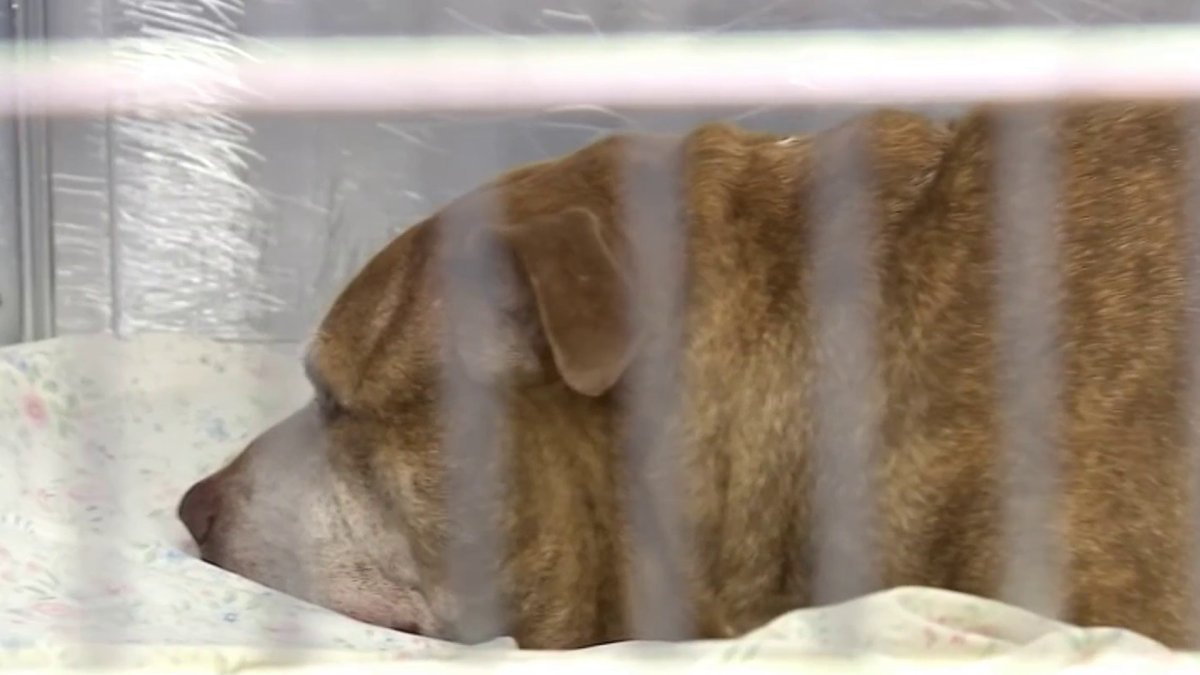
How Pets and Wild Animals Fare During South Florida’s Cold Snap
As temperatures in South Florida dip unexpectedly low, the impact of cold weather can be felt by all living creatures, both pets and wildlife alike. Understanding how these temperature shifts affect animals is crucial for their welfare and for those of us who cherish their company.
The Unpredictability of Florida Weather
Florida is known for its warm climate, making sudden cold snaps a startling phenomenon for residents and their furry friends. These temperature drops can be dangerous, particularly for pets that are used to basking in the sun and enjoying warm outdoor spaces. It’s essential to recognize how quickly temperatures can change in this subtropical region, urging pet owners to take preventative measures.
Effects on Pets
Health Risks for Domesticated Animals
For pets like dogs and cats, cold temperatures can lead to several health issues. Hypothermia is a significant risk, especially for smaller breeds or those with thin coats. Signs of hypothermia can include shivering, lethargy, and difficulty walking. Pet owners should be vigilant and ensure their animals are brought indoors, especially during extreme weather conditions.
Comfort Measures
Keeping pets warm doesn’t just mean bringing them inside; it might involve additional care, such as cozy bedding, blankets, and even pet sweaters for those sensitive to the cold. It’s also a good time to assess food and water supplies, as pets may require more energy to maintain warmth, making diet adjustments necessary.
Wildlife Challenges
Natural Instincts and Adaptation
While many wild animals have evolved to adapt to Florida’s climate, a sudden cold snap can confuse their behavioral patterns. Animals like iguanas, which are ectothermic (cold-blooded), may become inactive and fall from trees when temperatures drop sharply. This is particularly alarming for those who encounter these reptiles during cold snaps.
Habitat and Foraging
Wildlife may also face challenges in foraging for food when cold weather sets in. Lower temperatures can lead to fewer insects and reduced availability of food sources. Some birds may migrate earlier or alter their feeding behaviors, making observations of local wildlife fascinating and concerning during these times.
Precautionary Measures for Animal Welfare
Community Awareness
Community outreach is vital during cold weather events. Sharing information on how to care for pets and wildlife can help prevent suffering. Animal shelters and local organizations often step up by providing resources and shelters for pets in need, urging owners to keep their furry friends safe and warm.
Collaboration with Wildlife Experts
Engaging with wildlife experts can provide valuable insights into how best to support local animals during these colder months. Programs are often available to help monitor the health of wildlife populations, ensuring their survival during unforeseen weather changes.
Local Regulations and Support
Knowing local ordinances regarding pet care and wildlife protection during cold spells is essential for every resident. Many municipalities have laws requiring pet owners to keep their animals indoors during severe weather. Understanding these regulations can aid in promoting animal safety and welfare.
The Role of Reptiles and Exotic Animals
In South Florida, exotic animals like alligators and non-native species can also be affected by rapid temperature changes. Careful management of these populations becomes crucial for their wellbeing as they may not have the adaptations necessary to survive extreme cold.
Educational Initiatives
Local educational initiatives can help spread the word about how fluctuations in temperature affect both domestic pets and wildlife. Workshops, school programs, and online resources can empower people to take action and understand their responsibility in protecting animal welfare during a cold snap.
Long-term Effects
Finally, cold snaps can also initiate long-term changes in the ecosystem. For instance, a notable drop in the population of certain species may alter the local food web, affecting other animals and plants. Monitoring these changes is essential for understanding the broader implications on the environment.
By focusing on responsible pet ownership and proactive measures for wildlife, we can create a safer environment for all creatures during South Florida’s unpredictable bouts of cold weather. Whether it’s by bringing pets indoors or supporting local wildlife, every action counts in ensuring the wellbeing of our animal friends.



