

SpaceXAI and Anthropic: Pioneering the Next Frontier of AI Computation
A Game-Changing Agreement
In a groundbreaking collaboration, SpaceXAI has officially signed an agreement with Anthropic to grant access to Colossus 1, one of the largest and most advanced AI supercomputers ever constructed. As artificial intelligence continues to evolve at an astonishing pace, Colossus represents the cutting edge of computational power tailored to meet the increasing demands of AI training and application.
Colossus 1: The Powerhouse of AI
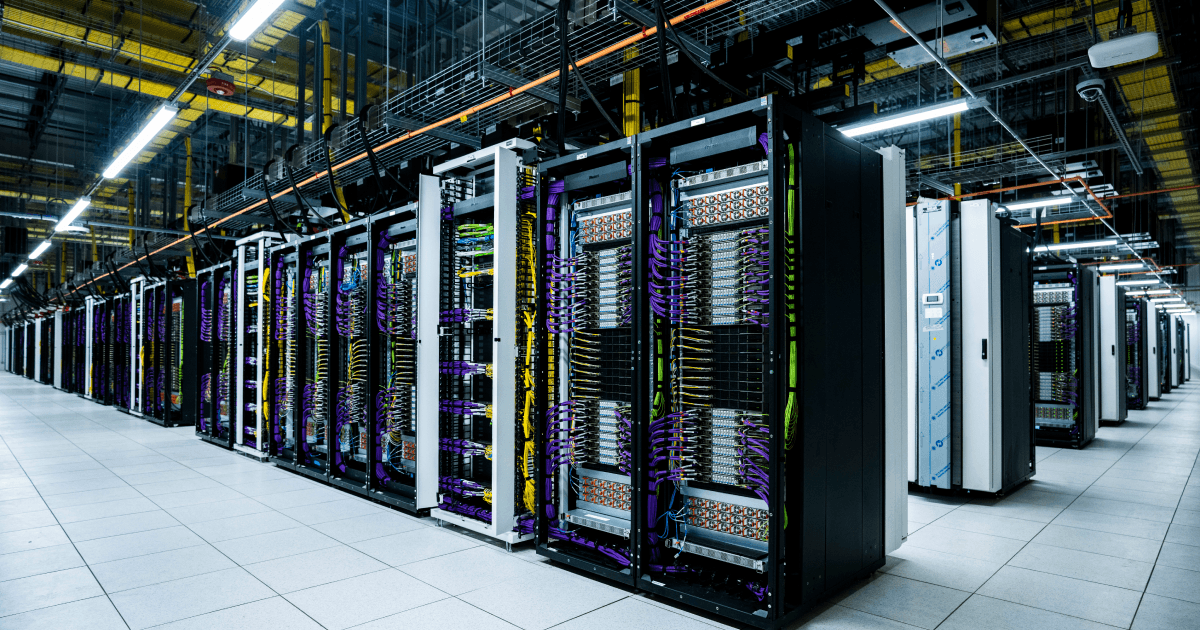
Colossus 1 is not just another supercomputer; it’s a monumental leap in AI infrastructure. Built from the ground up in record time, it boasts over 220,000 NVIDIA GPUs, including a mix of state-of-the-art H100, H200, and next-generation GB200 accelerators. This unprecedented scale is not merely for show. The supercomputer is designed to deliver extreme parallel performance across various tasks, making it a versatile tool for everything from large language models to scientific simulations and generative AI. The speed and efficiency with which Colossus handles these workloads set a new standard for what is possible in high-performance computing.
Enhancing Anthropic’s AI Capabilities
One of the immediate benefits of this partnership is that Anthropic plans to utilize Colossus 1 to enhance the capabilities available to its Claude Pro and Claude Max subscribers. By significantly increasing computational capacity, Anthropic will be able to fine-tune its models with greater efficiency and speed, thereby improving the customer experience. Enhanced processing power will translate to quicker insights, more accurate predictions, and ultimately a more robust AI offering for users, reinforcing Anthropic’s position in the competitive landscape of AI service providers.
The Need for Orbital AI Compute Capacity
A critical aspect of this collaboration goes beyond terrestrial capabilities. Both SpaceXAI and Anthropic are expressing a keen interest in developing "multiple gigawatts of orbital AI compute capacity." The rationale here is clear: the computing requirements necessary for training and operating next-generation AI systems are outpacing what current terrestrial resources can provide. Issues such as limited land, power consumption, and cooling constraints are becoming bottlenecks in the race to push AI technology forward.
SpaceX: The Right Partner for Orbital Solutions
Enter SpaceX, a company uniquely positioned to tackle these challenges. With its experience in launch cadence, mass-to-orbit economics, and operating satellite constellations, SpaceX stands apart as the only organization capable of transforming orbital compute from a theoretical concept into an actionable engineering program. The prospect of leveraging space-based computing systems opens the door to virtually limitless sustainable power—an attractive solution with far less environmental impact compared to traditional earthbound data centers.
Overcoming Engineering Challenges
While the vision for orbital AI compute is tantalizing, challenges remain. Overcoming the engineering hurdles associated with deploying and maintaining compute infrastructure in space requires innovative solutions and considerable expertise. However, if these challenges can be surmounted, the rewards could be revolutionary. Orbital compute not only promises to alleviate the pressures faced by land-based facilities but could also pave the way for a new era of AI advancements that were previously inconceivable.
Setting the Stage for Future Innovations
The collaboration between SpaceXAI and Anthropic marks an important milestone in the ongoing evolution of AI technologies. By combining formidable computational power with innovative space-based solutions, these organizations are setting the stage for breakthroughs that could reshape industries and enhance the capabilities of AI in ways we can only begin to imagine. As they venture into this new frontier, the implications of their partnership will resonate far beyond the regions of outer space, directly impacting life on Earth and the future of technology.
By leveraging the vastness of space for computational purposes, we may soon find ourselves at the dawn of a new chapter in the story of artificial intelligence—one defined by unprecedented power and capability.



