

Has Portugal Quietly Become Europe’s Most Liveable Country?
With rising living costs, political uncertainty, and the fast-paced urban life across much of Europe, the question on many minds in 2026 is: has Portugal quietly become the continent’s most liveable country? A combination of factors contributes to Portugal’s appeal, from safety and sunshine to affordability and a balanced work-life philosophy.
A Climate That’s Hard to Beat
When discussing liveability, one cannot overlook the impact of climate. Portugal enjoys more than 300 days of sunshine per year across many regions, making it one of the sunniest countries in Europe. Lisbon and Faro frequently score high in sunshine rankings, allowing residents to enjoy an outdoor lifestyle year-round.
Unlike northern Europe, which faces long, dark winters, Portugal revels in mild winters and long summers. Outdoor cafés thrive even in January, coastal walks become part of people’s daily routines, and weekend beach trips can linger well into autumn. This consistent sunshine fosters a slower, more relaxed lifestyle, significantly impacting residents’ day-to-day happiness.
One of Europe’s Safest Countries
Safety is a critical component of liveability, and Portugal excels in this area. According to the Global Peace Index, the country consistently ranks among the safest in Europe and the world. With low violent crime rates and a general sense of security, major cities are seen as safe by international standards.
For families, retirees, and remote workers migrating from busier European capitals, this security is crucial. Everyday actions like walking home at night, allowing children to play outdoors, and enjoying public spaces without worry are commonplace in Portugal. As safety concerns loom large across Europe, Portugal’s stability continues to attract attention.
Cost of Living: Better Value Than Much of Western Europe
Affordability is another area where Portugal often outshines its larger European counterparts. While prices in urban centers like Lisbon, Porto, and the Algarve have increased recently, overall living costs remain significantly lower than in countries such as France, Germany, and the Netherlands.
Dining out, public transportation, and utilities typically come at a lower price point than in northern European cities. Even within Lisbon, one can enjoy meals at local restaurants for much less than in other capitals. Housing costs vary by region, but even in popular areas, options are generally more accessible compared to many Western European markets. For expatriates earning foreign income, this affordability translates into a notably improved quality of life.
Work-Life Balance Still Matters Here
In 2026, work-life balance stands as a pivotal measure of liveability. Portugal values family, social connections, and outdoor activities, often allowing for a less stressful pace of life. While wages may not match those in northern Europe, many residents find the slower lifestyle refreshing.
Lunch breaks stretch longer, social evenings are cherished, and weekends are respected. The country has embraced remote work, making cities like Lisbon, Porto, and Madeira attractive for digital nomads. Co-working spaces are on the rise, internet infrastructure is robust, and international connectivity remains solid. This unique blend enables individuals to pursue professional ambitions without sacrificing their lifestyle.
Healthcare and Public Services
Portugal’s healthcare system consistently earns high marks in international comparisons. The public Serviço Nacional de Saúde (SNS) offers universal coverage, while private healthcare remains accessible and affordable. Major cities host modern hospitals and clinics, and private health insurance premiums are often lower than in many EU nations.
Regarding education, options abound. Alongside public schools, there’s an increasing number of international schools catering to expatriate families in major urban areas. Infrastructure is improving, too; efficient motorway networks and expanding public transport systems enhance connectivity, making daily life smoother.
A Country of Variety in a Small Space
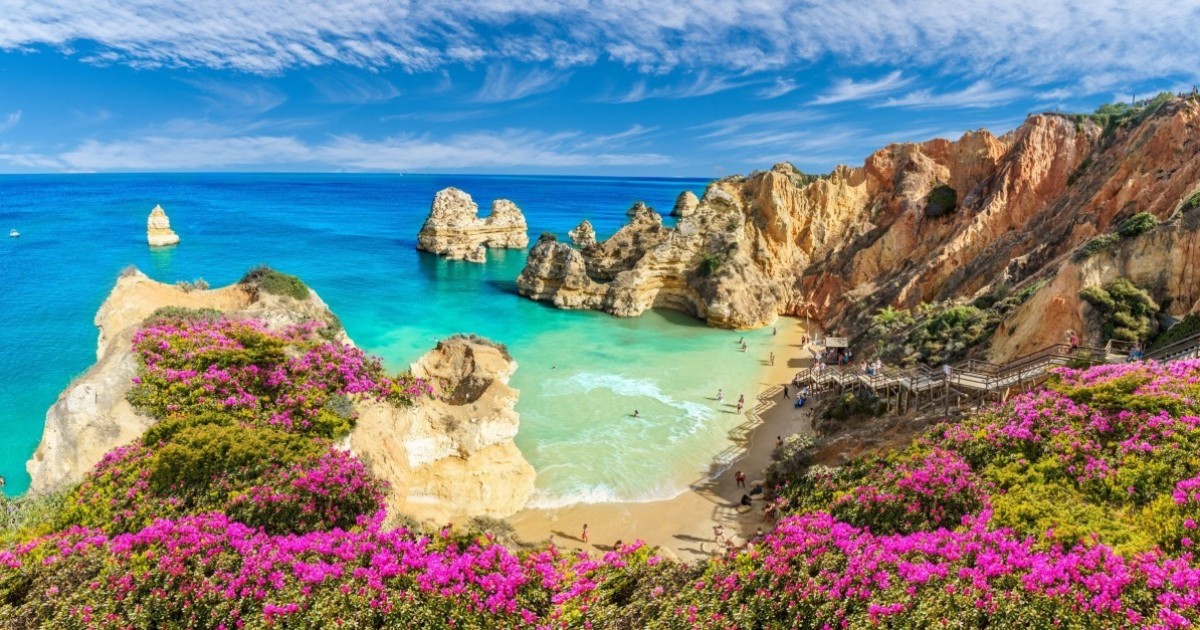
Portugal’s diversity is perhaps one of its greatest strengths. In just a few hours, residents can transition between vibrant cities, serene countryside, and breathtaking coastlines. The Algarve’s stunning beaches, the UNESCO-listed Douro Valley’s wine landscapes, and the tranquil Alentejo plains each offer unique lifestyles.
This geographical variety allows individuals to select a way of life that aligns with their preferences—whether that’s the hustle and bustle of urban life, the calm of coastal living, or the simplicity of rural existence. Few European countries manage to combine such accessibility and diversity.
But Is It Truly “The Most Liveable”?
No country is without its imperfections. Average salaries in Portugal still lag behind those in many northern European nations, and property prices have surged in recent years, particularly in Lisbon and Porto. Public services, while generally reliable, can still face delays and bureaucratic hurdles.
In global liveability indexes, cities such as Vienna, Copenhagen, or Zurich often rank higher on metrics like income levels and infrastructure. However, liveability isn’t measured solely by financial metrics. For many, especially in 2026, quality of life indicators—such as safety, sunshine, affordability, social connections, and outdoor living—carry more weight. On these criteria, Portugal performs strongly and frequently comes out on top.
Why International Interest Continues to Grow
The international interest in Portugal remains robust, reflecting its many strengths. Retirees are drawn by the climate and safety, while remote workers appreciate the favorable lifestyle-to-cost ratio. Families enjoy the accessibility of outdoor culture and slower pace, whereas entrepreneurs recognize opportunities within a stable EU economy gaining visibility.
Air connectivity to the rest of Europe is both frequent and relatively affordable. Moreover, English is widely spoken, particularly in urban and tourist areas, facilitating integration for newcomers.
A Changing Definition of Liveability
Perhaps the more pertinent question isn’t whether Portugal ranks first overall, but rather how definitions of “liveable” are evolving. In an era characterized by burnout, escalating housing costs, and urban stress, people are prioritizing balance over maximum earnings.
Portugal’s unique strengths align seamlessly with these changing values:
- Climate and outdoor living
- Relative affordability
- Safety and political stability
- Strong community culture
- Geographic diversity
- Access to the broader European market
For many Europeans reassessing their life priorities in 2026, Portugal stands out as a compelling alternative to the high-pressure environments of more expensive countries.
So, Is Portugal Europe’s Most Liveable Country in 2026?
Ultimately, the answer hinges on personal criteria. If your priorities revolve around income and large-scale infrastructure, other countries might take the lead. However, for those who cherish sunshine, safety, a relaxed lifestyle, and everyday well-being, Portugal makes a compelling case.
It may not top every official ranking, but for an increasing number of residents, expatriates, and remote workers, Portugal feels very much like number one. As 2026 unfolds, the country’s reputation as one of Europe’s most liveable spots appears stronger than ever.



