

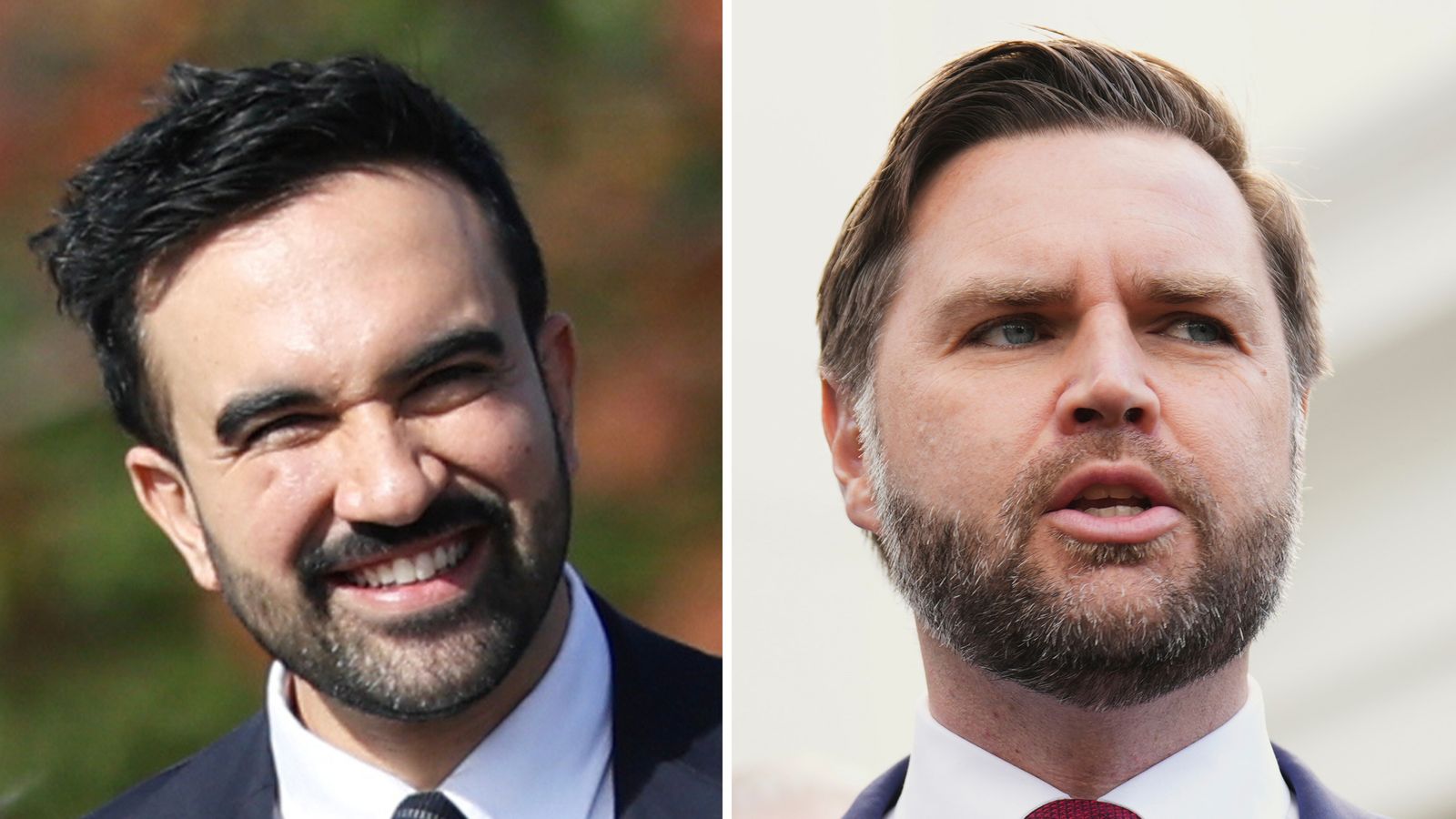
Analyzing Zohran Mamdani’s Victory: A Double-Edged Sword for Democrats
Don’t be led by what appears to be obvious. Zohran Mamdani’s recent electoral triumph is much more than just a win for the Democratic Party—it’s a historic moment for an immigrant forging his path in the American political landscape. This achievement, coupled with Democratic victories in places like New Jersey and Virginia, may signal a shift for a party that has struggled in the aftershock of Trump’s influence since Joe Biden’s less-than-stellar presidential debate performance 18 months ago.
A Win for the Democrats
It’s undeniable that this win is a significant boost for the Democrats. Any victory in the current political climate feels like a win against the backdrop of Trumpism, which has often overshadowed the party’s messaging. Mamdani’s win invigorates a party that hasn’t seen much positive momentum lately. Yet, can we consider him a true asset to the Democratic agenda? Or might Mamdani be a ticking time bomb?
An Icon of Purist Socialism
Mamdani is not merely a champion of progressive ideals; he openly identifies as a purist socialist. This puts him at odds with more moderate Democratic ranks, potentially complicating party unity in the long run. Yes, he is undoubtedly energizing New York City, where his message resonates with a largely liberal base. But how does this translate to a broader, national strategy?
The Influence of Trump
Interestingly, former President Trump seems to have recognized the potential linked to Mamdani’s rise. His endorsement of Andrew Cuomo, despite being counterintuitive, played strategically to heighten Mamdani’s visibility. “I am Trump’s worst nightmare,” claims Mamdani—but could Trump have positioned himself to make that nightmare more probable?
By endorsing Cuomo, a flawed candidate, Trump provided an opening for Mamdani to display his appeal. When the political discourse becomes caricatured—like portraying Mamdani as a “communist”—it not only energizes Democratic voters but also feeds into Trump’s narrative that the Democratic Party is drifting toward radicalism.
Opportunities for Trump’s Base
Mamdani’s victory offers two immediate benefits for the Republican camp. First, it stirs internal conflict within the Democratic Party regarding the future of leftist ideals that could alienate centrist voters. Will the Democrats embrace a Mamdani-style platform, or will they pivot toward a more moderate approach to regain lost ground?
Second, it provides Trump with a ready-made cautionary tale for centrist and undecided voters. The rhetoric surrounding Mamdani could reinforce the idea that the Democratic Party’s leftward shift is a threat to American values, further alienating moderate constituents who may have been in flux.
Real Concerns Beyond Political Hurdles
While the Mamdani victory is celebrated within liberal circles, it comes amid profound economic struggles faced by many ordinary Americans. The cost of living remains a crucial issue, making it imperative for governing parties to address kitchen-table concerns rather than focusing solely on ideological battles.
Recent victories in Democratic strongholds like New York, New Jersey, and Virginia were driven by candidates who championed pragmatic solutions to everyday issues. Even Trump, in his post-Mamdani victory comments, recognized the need for economic accessibility, albeit while addressing affluent audiences in a comfortable setting.
JD Vance’s Take
Perhaps most revealing was the reaction of JD Vance, the Vice President. His call for caution following the latest electoral outcomes indicates a fear of overreacting to short-term results. Vance emphasized the need to focus on "the home front"—a clear acknowledgment that Trump’s administration has yet to solidify its economic promises.
His remarks allude to a growing awareness within the GOP that they must reckon directly with economic issues if they hope to resonate with voters in the future. The insinuation is clear: Republicans need to balance ideological messaging with real-life economic realities.
A Long-Term Perspective
Vance’s outlook suggests that what matters now is not just the headline victories but the groundwork laid for the future. As he positions himself for potential presidential aspirations in 2028, his focus on shifting back to core issues helps to solidify his appeal as a more grounded candidate.
In the chaotic world of American politics following the Mamdani victory, understanding its impacts requires a step back. The Democrats could very well indulge in a moment of triumph—yet, it serves as a sobering reminder that ideological commitments must keep pace with the everyday realities faced by the electorate.
The political dynamic remains delicate, with Mamdani at its center, enticing many but risking deepening divides within the Democratic Party. For Trump and the GOP, evaluating how these developments play into their long-term strategy will be crucial for navigating upcoming electoral challenges.



