

Women’s Leadership: A Game-Changer for Africa’s Economic Future
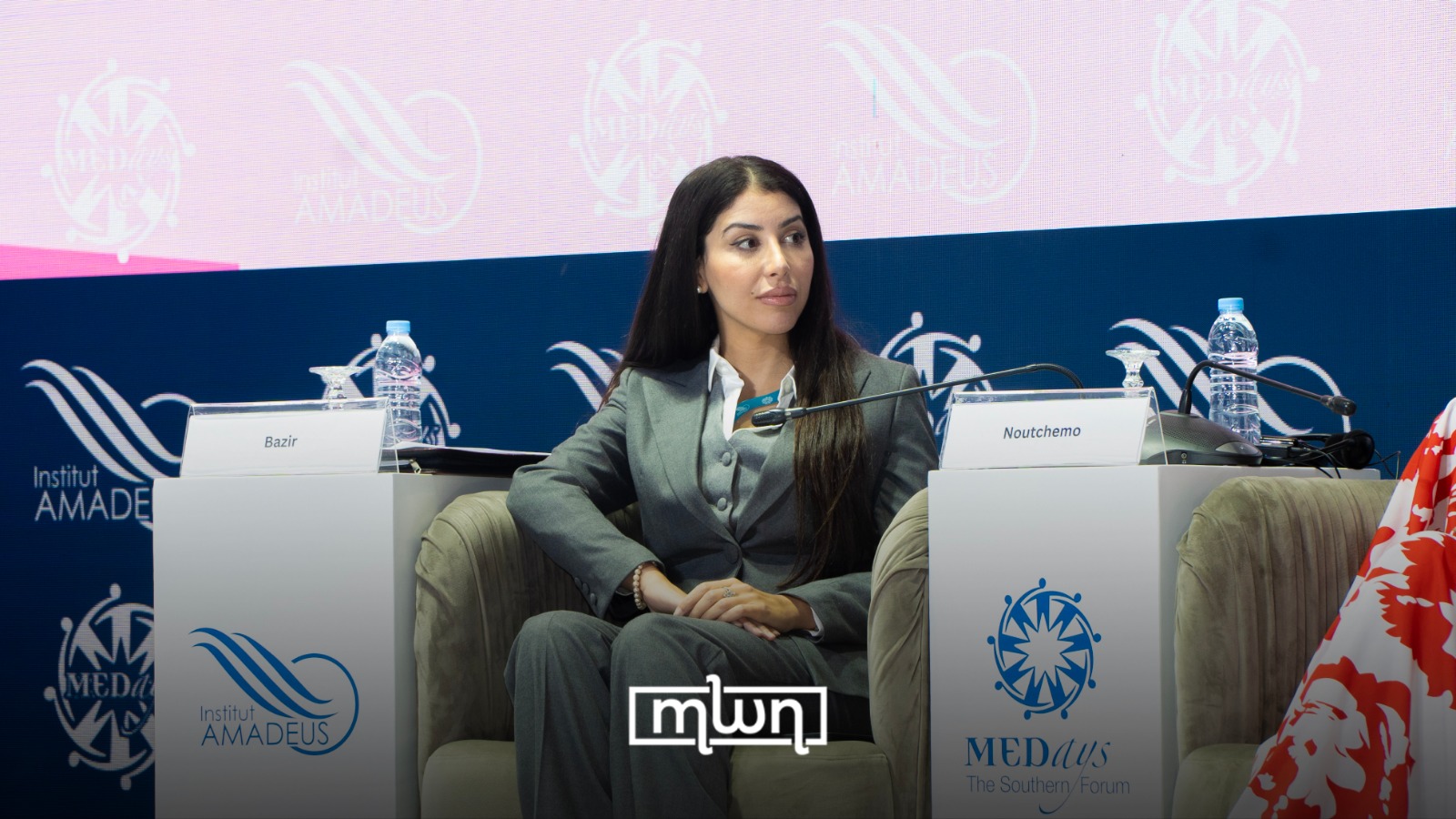
At the recent 27th MEDays Forum in Tangier, a pivotal conversation unfolded around the topic of women’s leadership in Africa, hosted by moderator Lamiae Bazir. Bazir passionately articulated the argument that elevating women into leadership roles is not just a moral obligation; it’s a strategic advantage that holds the key to unlocking the continent’s economic potential.
Distinct Qualities of Female Leadership
During the panel discussion, Bazir emphasized the unique leadership qualities that women bring to the table. She described their leadership style as collaborative, long-term, and disruptive—qualities that are essential in today’s world filled with complexity and uncertainty. These traits foster social cohesion and inclusivity, significantly benefiting organizations and communities alike.
“Women bring a leadership style that is very particular and anchored in social cohesions,” Bazir stated in her interview with Morocco World News. Her insights align with a growing body of research that shows organizations and nations thrive in environments where women participate fully in economic and political spheres.
Africa’s Youthful Demographic
Africa’s demographic landscape is crucial to understanding why women’s leadership is particularly important. With 70% of the population under the age of 30, women already serve as the backbone of economic and social activities across the continent. However, despite their substantial contributions, barriers still prevent women from reaching leadership positions. Bazir highlighted that this is not merely a moral issue; it’s an economic necessity.
“A lack of women’s leadership is a very strategic investment, and it is one of Africa’s strongest competitive advantages for the decade ahead,” she noted. As Africa seeks to elevate its global standing, empowering women could propel the continent toward accelerated growth.
A Three-Part Solution for Transformation
The conversation centered on how to enact real change. Bazir outlined a three-part strategy involving governments, businesses, and civil society.
-
Government Initiatives: Bazir urged governments to create enabling environments through policies that prioritize education, legal protections, and frameworks for political participation. Moreover, better access to financing for women-led initiatives is critical.
-
Private Sector Involvement: The business world must also take proactive steps. This includes investing in leadership pipelines, updating employment models to be more inclusive, eliminating biases in recruitment, and supporting enterprises led by women.
- Civil Society’s Role: Civil society organizations have a significant role in shifting societal mindsets. They can amplify women’s voices, nurture their talents, and hold institutional systems accountable.
Education as the Cornerstone
One of the most compelling issues discussed was the importance of education as the foundation for empowering women. Bazir pointed out that globally, over 130 million girls remain out of school, a staggering statistic that highlights systemic failure. In Morocco, for instance, only 44% of rural girls complete secondary education.
The economic ramifications of this educational gap are profound. According to UNESCO, if all girls completed secondary education, the global economy could gain over $30 trillion. This statistic underscores the urgent need to invest in girls’ education, as it has the potential to break cycles of poverty and exclusion.
“When we educate girls, we strengthen communities and institutions, leading to greater economic growth,” Bazir explained. Investing in girls not only benefits individual lives but also enhances societal welfare as a whole.
A Shared Responsibility
As the forum progressed, Bazir articulated a vision for the future of women’s leadership in Africa. This vision isn’t a distant ideal; it’s a collective responsibility that requires contributions from all sectors of society. The dialogue at MEDays aimed to generate collective momentum around a fundamental truth that Bazir champions:
“Women’s leadership is not just a chapter in the story of progress; it is the engine that drives it.”
This statement encapsulates the belief that once we recognize and harness the power of women leaders, we will not only change the narrative but also transform Africa’s economic destiny. In doing so, we move toward a future that benefits everyone, creating a sustainable path for growth and prosperity.



