

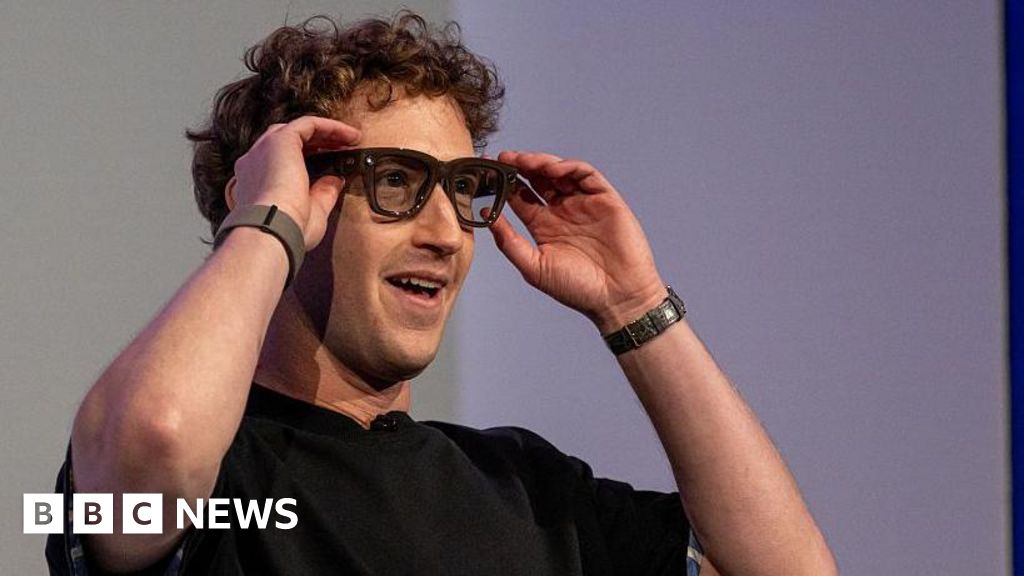
Meta’s Strategic Shift: Moving from Metaverse to AI Glasses
In a significant pivot, Meta is redirecting some of its investments from the ambitious metaverse project to the burgeoning field of AI glasses and wearable tech. According to a company spokesperson, this transition is driven by the need to capitalize on the "momentum" in this rapidly evolving segment. As the landscape of technology shifts, so too does Meta’s focus, making this an intriguing moment in the tech giant’s journey.
The Metaverse Dream and Reality Check
For the past few years, Meta has poured billions into building the metaverse, a virtual reality space designed for social interaction and immersive experiences. However, the firm has faced considerable challenges in convincing investors of the metaverse’s potential. The skepticism surrounding this venture has been substantial, particularly when it comes to the viability of creating a sustained demand for virtual reality headsets—key components of the metaverse experience.
Recent reports indicate that Meta plans to scale back its financial commitment to the metaverse by as much as 30%. This is not a trivial adjustment, and it reflects a larger trend of people questioning the return on investment for such expansive digital dreams. In response to the news, Meta shares saw a notable uptick, climbing more than 3.4%. Investors seem to welcome the shift away from a heavy focus on the uncertain realm of the metaverse.
A Name Change with Purpose
This strategic redirection resonates with the significant rebranding Meta undertook in 2021 when it changed its name from Facebook. The rebranding was an explicit signal of the company’s dedication to building the metaverse. However, as challenges grow and market dynamics shift, it’s clear that adaptability is key. Meta is not discarding the metaverse altogether; rather, it appears to be recalibrating its approach as it seeks to align itself with more immediate opportunities.
Embracing AI and Wearable Technology
What sets this new direction apart is Meta’s keen interest in developing AI-enabled glasses, which have recently received positive feedback. These innovative devices feature a compact design with a small display embedded in the lenses. This technology can describe surroundings and translate text in real time, representing a significant leap forward in AI integration into daily life.
The response to these AI glasses has been enthusiastic, underscoring how integral AI technology has become in the current tech landscape. Meta aims to build on its early advantage in this area amid intensified competition. Many companies, particularly from China, are simultaneously racing to create their own versions of smart glasses and wearables, highlighting the rapid pace of innovation in the field.
Challenges in the Metaverse Space
Despite Meta’s commitment to the metaverse, it has faced heavy criticism and skepticism from investors. The core concept of an immersive digital environment, while ambitious, has raised doubts regarding its practicality and market acceptance. Questions linger over consumer demand for VR headsets, which are indispensable for the envisioned metaverse experience. As such doubts grow, Meta appears to be recalibrating its strategies.
The company has thrown considerable resources at building its metaverse platform, Horizon Worlds, which allows users to engage as avatars in a virtual world. However, with demand for AI technologies rising sharply, it seems that Meta is recognizing the need for diversification and a more measured approach to its investments.
Accelerating AI Initiatives
In light of the shifting focus, Meta has taken steps towards developing large AI models, integrating smart technology into platforms such as WhatsApp, and enhancing its portfolio of gadgets. This pivot is not just a reaction to investor pressure; it reflects a broader trend in the tech industry where AI innovations are increasingly in demand.
By redirecting investments in this manner, Meta hopes to align itself with consumer interests and technological advancements. The urgent need for innovation in AI and wearables provides a fertile ground for Meta to explore, potentially leading to fruitful developments that resonate better with today’s tech-savvy consumers.
As Meta navigates these changes, its journey serves as a window into the fluid nature of technology and investment strategies in a landscape where flexibility and foresight will be crucial in shaping the future.



