

Nigeria’s Role in US Military Strikes Against Militants: A Comprehensive Overview
Recent Developments
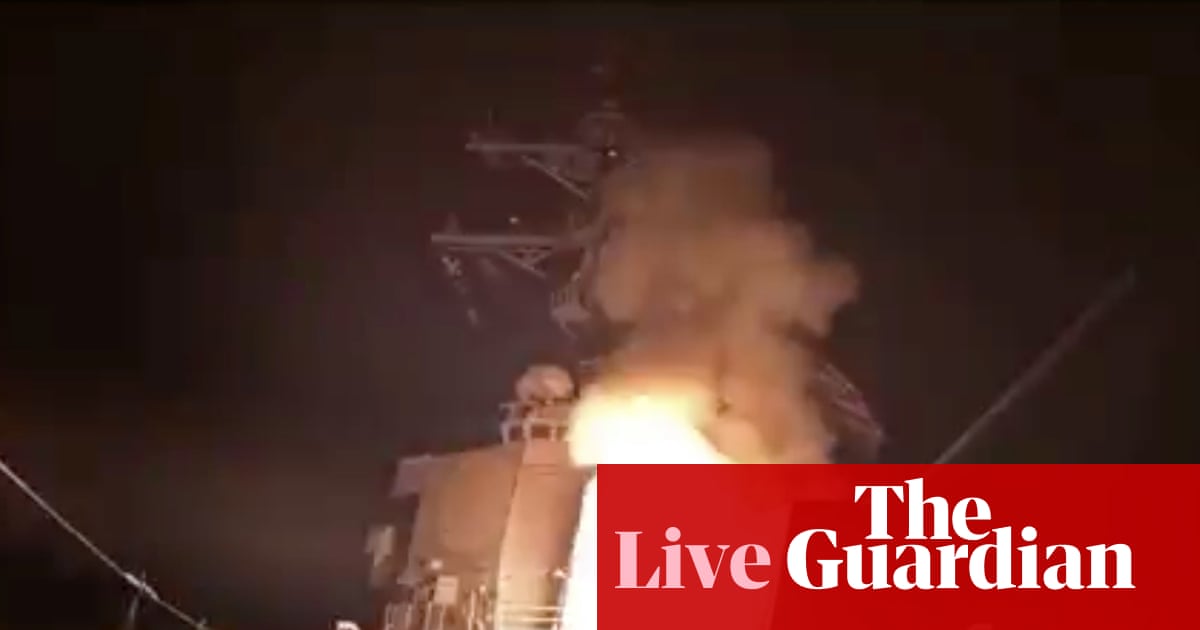
On Christmas Day, the United States military executed airstrikes against Islamic State militants in northwest Nigeria, a move that has sparked considerable discussion globally, especially regarding the intricate relationship between Nigerian and American intelligence operations. According to Nigeria’s foreign minister, Yusuf Tuggar, the Nigerian government provided critical intelligence to facilitate these strikes.
"We spoke twice. We spoke for 19 minutes before the strike and then again for five minutes just prior to the operation," Tuggar stated during an interview with ChannelsTV. He emphasized that these communications were extensive, and that President Bola Tinubu had authorized the strikes. This collaboration marks a significant moment in the fight against militant groups in Nigeria, known for their violent campaigns primarily targeting Christian communities.
Trump’s Directive and Claims
President Donald Trump, announcing the strikes, utilized his platform to proclaim that the US had to act decisively against what he termed “ISIS Terrorist Scum.” In his announcement, Trump stated: "Tonight, at my direction as Commander in Chief, the United States launched a powerful and deadly strike against [ISIS]… who have been targeting and viciously killing, primarily, innocent Christians, at levels not seen for many years."
His strong rhetoric has drawn both support and skepticism. Trump has historically taken a firm stance against jihadist violence, often characterizing it within the context of religious persecution. His claims about the scale of violence against Christians in Nigeria have been echoed by several segments of the American political landscape, especially among his evangelical base.
Intelligence Sharing: A Key Element
The notion of intelligence sharing emerges as a vital theme in this narrative. The cooperation between Nigeria and the US reflects an ongoing strategy to combat the threat of jihadist groups that operate across the region. However, Tuggar underlined the importance of noting that the strikes were not about religious discrimination, insisting they were aimed at dismantling terrorist networks threatening Nigerian stability.
This cooperation showcases a complex relationship that intertwines national security interests with broader international dimensions. The duality of this mission—addressing immediate threats while navigating geopolitical implications—reflects the multifaceted nature of international military assistance.
Local Reactions and Historical Context
Residents in areas affected by the strikes expressed feelings of shock and fear. Local testimony describes how explosions shook towns with individuals initially believing they were under attack from local militant groups. It reveals the backdrop of confusion and anxiety that typically accompanies such military actions, amplifying the psychological impact on communities that are often caught in the crossfire of broader conflicts.
Moreover, Nigeria’s long-term struggles with insurgency—ranging from Boko Haram in the northeast to banditry in the northwest—complicate the landscape. Thousands have been killed, and many more displaced due to various conflicts often framed as religiously motivated but rooted in deeper socio-economic issues.
The Broader Picture of Religious Persecution
The characterization of violence in Nigeria has often swung between various interpretations, particularly regarding religious persecution. While Trump and some members of the US Congress frame the violence as targeted against Christians, the Nigerian government insists that people of all faiths are affected.
This perspective is supported by various analysts who argue that motives behind attacks can stem from competition over resources more than purely religious hatred. The clash between herders and farmers often involves struggles over land and water, layered with ethnic and religious identities, thereby complicating straightforward narratives of persecution.
Statements from Nigerian Officials
In the aftermath of these strikes, Nigerian officials reiterated the importance of a united front against all forms of terrorism. They have pointed out that terrorist violence is a violation of the country’s values and maintained that attacks are not confined to any singular religious group.
The Nigerian government’s firm stance against framing the security crisis as a purely religious issue seems to be a deliberate effort to foster national unity and avoid further inflaming sectarian tensions. In a statement, Nigerian officials stressed that “terrorist violence in any form, whether directed at Christians or Muslims, remains an affront to Nigeria’s values and international peace.”
Conclusion: An Ongoing Battle
As military operations continue and discussions about intelligence sharing evolve, the focus on the intricacies of Nigeria’s internal security challenges remains vital. The dynamics of religious persecution, regional stability, and international military cooperation paint a complex picture that defies simplistic narratives. The unfolding situation serves as a reminder of the ongoing struggle to achieve peace and security in a region beleaguered by violence and sectarian strife.



