

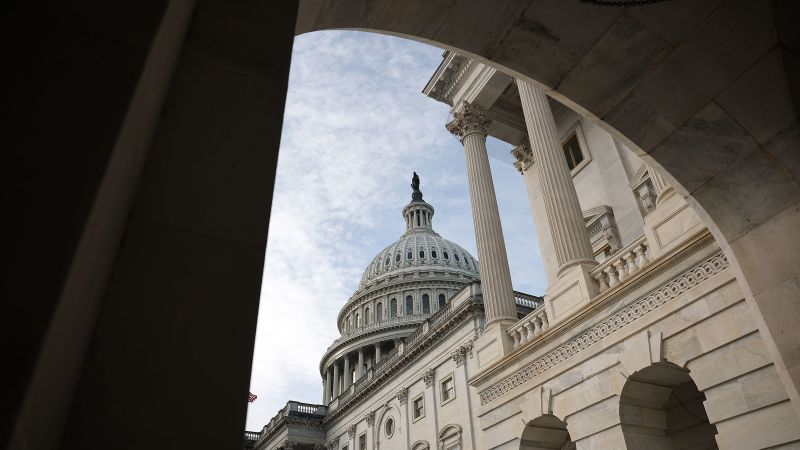
House Resolution Marks End of Record-Setting Government Shutdown
On Wednesday, major airlines and national travel associations celebrated the House’s decision to approve a resolution that ends the longest government shutdown in U.S. history. Spanning an unprecedented 43 days, the shutdown had significant repercussions for various industries, particularly aviation. Following the vote, airline operations are set to return to normal, alleviating concerns as the busy Thanksgiving holiday approaches.
Impact on Air Travel
With the shutdown officially over, airlines can stabilize their operations before one of the busiest travel seasons of the year. According to Airlines for America, a prominent trade association representing significant U.S. passenger and cargo airlines, this resolution brings much-needed relief. This organization includes major players such as Delta, Southwest, UPS, and FedEx, all keen to restore normalcy and reliability in their services.
“Having a fully functioning government is vital to ensuring that our nation’s airspace is safe, reliable, and open, especially at this time of record air travel and increased reliance on cargo shipments,” Airlines for America remarked. This statement highlights the critical role of government agencies like the FAA in maintaining aviation safety and operational efficiency.
Long-Term Stability for the Industry
While the immediate relief from the resolution is welcome, industry leaders stress the importance of long-term improvements. Geoff Freeman, the president and CEO of the U.S. Travel Association, pointed out that the resolution secures stability for the systems and personnel invariably tied to travel. However, he added, “it must also drive long-term change.” His statement reflects a broader concern for sustainable improvements across the industry.
The U.S. Travel Association has urged Congress to make necessary investments in infrastructure, technology, and workforce development to keep the country moving forward. This call to action underscores a shared understanding that operational stability relies heavily on proactive measures rather than mere reactive fixes.
Gratitude Towards Frontline Workers
In the wake of the shutdown, sentiments of gratitude have surfaced, particularly towards federal employees who continued to work diligently without pay. Delta Airlines expressed deep appreciation for these workers, recognizing their commitment to ensuring air safety during such uncertain times.
“We look forward to bringing our operation back to full capacity over the next few days and delivering the premium experience our customers expect as we look ahead to the holiday season,” a spokesperson from Delta noted. This optimistic outlook emphasizes both the challenge faced by the airline and the resilience of the workforce.
The Need for Predictability
American Airlines echoed similar sentiments, highlighting that the reopening of the government means essential personnel managing aviation safety and security will finally receive their overdue paychecks. The airline emphasized that this newly restored government functionality will result in increased predictability for travelers. This predictability is crucial, especially in light of the influx of passengers expected to traverse the skies in the coming weeks.
As airlines anticipate a return to business as usual, stakeholders across the aviation and travel industries are optimistic yet aware of the complexities that lie ahead. The resolution not only marks a significant accomplishment in navigating the challenges of governance but also paves the way for a more reliable and resilient travel experience for all Americans.



