

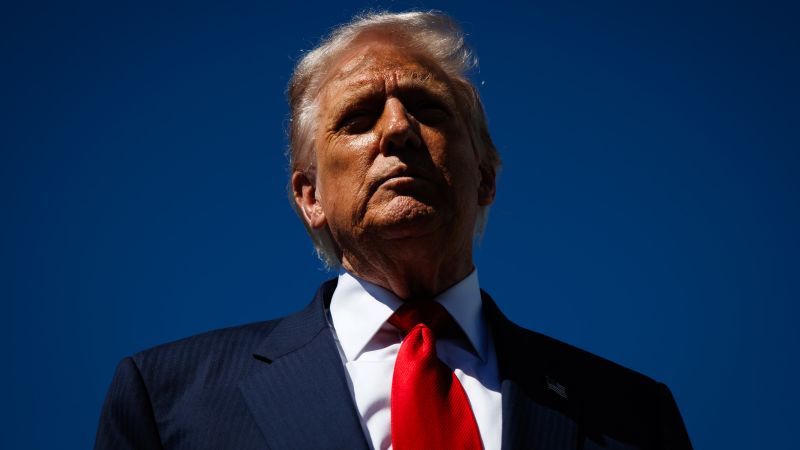
Trump and the Filibuster: A Stalemate in Government Negotiations
The Government Shutdown Dilemma
In recent news, President Donald Trump appeared undeterred by the ongoing government shutdown, which has been a significant political crisis. On a recent episode of “60 Minutes,” Trump outlined his stance, firmly stating that Democrats must either capitulate to Republican demands or that Republicans should boldly eliminate the Senate filibuster. This critical maneuver holds the potential to reshape legislative dynamics in the Senate, which could have far-reaching implications for how laws are passed.
The Nuclear Option Explained
Trump openly advocated for what he termed the "nuclear option"—a strategy aimed at ending the filibuster. The filibuster is a procedural barrier that requires 60 votes to pass most legislation, creating challenges for the majority party in enacting its agenda. By dismantling this rule, Republicans could push through their initiatives without needing bipartisan support. The call for such a drastic measure indicates not only a push for legislative expediency but also reveals the escalating tensions within the current political landscape.
Republican Resistance
Despite Trump’s advocacy, there is notable pushback from within Republican leadership. Senators, including Majority Leader John Thune, have expressed reservations about the potential repercussions of eliminating the filibuster. Their concerns stem from a fear that such a unilateral move could backfire should the Democrats regain control of the Senate in future elections. The delicate balance of power in Congress creates an environment where parties are wary of setting precedents that might disadvantage them down the line.
Trump’s Dismissive Stance
Trump, however, seems unconcerned by these warnings. He urges Republicans to "get tougher" in their approach and remains confident that the elimination of the filibuster would not jeopardize their power in the long run. His belief is rooted in a sense of political strength, suggesting that a decisive move could empower Republicans to execute their policy goals unencumbered by the constraints of bipartisan negotiation.
Personal Dynamics and Differences
Interestingly, Trump’s remarks also reveal a personal dimension. He acknowledged his respect for John Thune but reiterated his disagreement with the senator regarding the filibuster. This interplay illustrates the tension between individual beliefs and collective party strategies, showcasing how personal dynamics can influence broader political decisions.
Impact on Legislative Negotiations
The ramifications of Trump’s statements are far-reaching. His push to eliminate the filibuster could complicate ongoing negotiations on Capitol Hill aimed at ending the shutdown. Democrats, for their part, are looking for assurances that Trump will engage in discussions around critical issues, including the extension of health care subsidies set to expire soon. As negotiations drag on, the prospect of a daunting impasse looms, raising questions about the future of critical policies and programs.
Health Care Plans and Reforms
In the midst of this political turmoil, Trump also addressed health care—a significant topic of concern for many Americans. Instead of unveiling a new health care plan, he mentioned a desire to focus on “fixing the bad health care that we have.” This approach indicates a strategy centered on incremental reform, rather than the sweeping changes that some constituents may be hoping for. Trump’s reluctance to propose a comprehensive plan could reflect the complexities of the current health care landscape and the challenges of achieving consensus across party lines.
This ongoing situation encapsulates the intricate web of political maneuvering taking place in Washington, D.C. The intersections of power, strategy, and individual beliefs paint a vivid picture of the challenges facing legislators during this contentious period. As discussions unfold, the stakes grow higher—not just for politicians but for millions of Americans reliant on stable governance and effective policies.



