

The Rise of White-Collar Concerns in Political Discourse
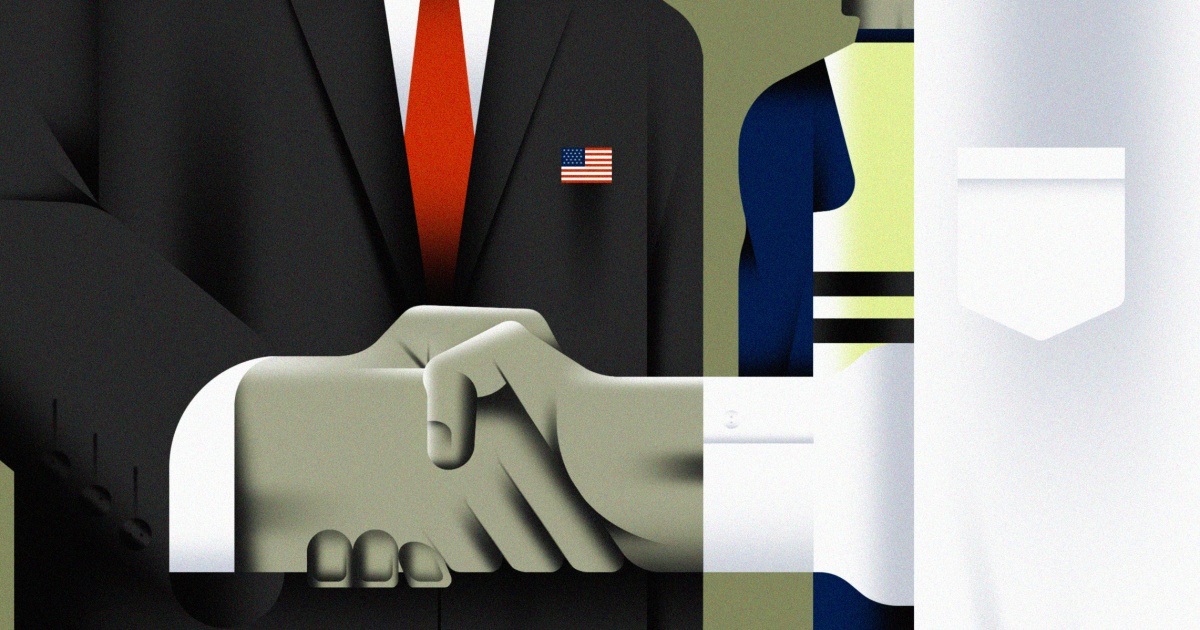
For decades, blue-collar workers have been the heartbeat of political messaging in the United States. Politicians routinely visit diners to discuss raising the minimum wage, tour factories to highlight job growth, and share personal stories about their working-class roots in cities like Detroit and Pittsburgh. However, a shift is occurring. White-collar workers—those in professional jobs typically requiring a college degree—are increasingly taking center stage in political discussions, spearheaded by figures like Florida Governor Ron DeSantis.
AI and the Future of White-Collar Jobs
In August, Governor DeSantis raised alarms about the potential obsolescence of white-collar jobs due to artificial intelligence (AI). He expressed concerns that advancements in this area could lead to significant job losses among professionals. In subsequent months, he described programs like the H-1B visa initiative as problematic, particularly as AI threatens to render many white-collar roles unnecessary. He articulated a compelling point: “Why would we subsidize something that could potentially cause problems for folks?”
Navigating Political Shifts
DeSantis has adeptly positioned himself within this evolving landscape. His political rise was built on his early opposition to COVID regulations and his proactive stance on contentious social issues—long before they entered mainstream political discourse. Now, he is emerging as a key voice of skepticism regarding AI, a demographic that is increasingly vital in the electorate. Concerns about the implications of AI resonate with an educated workforce that has traditionally leaned Democratic. This shift shows a growing acknowledgment among politicians that the fears of white-collar workers warrant attention.
A Broader Alarm
The apprehensions voiced by DeSantis are echoed by various officials, including Senator Josh Hawley and Senator Bernie Sanders. Both have similarly underscored the emerging threats posed by AI, further emphasizing a bipartisanship in recognizing the potential disruptions facing white-collar workers.
This growing concern marks a notable evolution in U.S. politics, which has predominantly focused on the grievances of blue-collar workers. For years, these individuals have dealt with the fallout of manufacturing job losses due to trade deals and automation. Their anxieties have influenced campaign narratives and shifted industrial policies toward an emphasis on resurrecting the manufacturing sector.
The Speed of Change
According to former Rep. Brad Carson, the urgency surrounding white-collar job displacement is heightened by the speed at which it may occur. “We spent decades watching manufacturing communities hollow out before politicians started paying serious attention,” he remarked, pointing out that the pace of change with AI could potentially outstrip previous economic disruptions. Moreover, white-collar workers, who are often educated and politically active, could apply considerable pressure on lawmakers if these trends continue unchecked.
The Democrats’ Dilemma
Politically, the dynamics are shifting. The traditional notions of who fears job loss are evolving, and an overwhelming majority of white-collar workers report skepticism about the dangers of AI. As recent polls indicate, many are apprehensive about the implications for their employment. The results suggest that 57% of voters believe the risks associated with AI outweigh its benefits, a sentiment that resonates strongly across professional lines.
While some may argue that the integration of AI could lead to new industries and job creation—as occurred during past technological revolutions like the rise of the internet—economists and industry leaders unveil a more somber narrative. Reports from AI experts predict potential job losses on a large scale, with estimates ranging from 10% to 20% in the coming years.
Experiencing the White-Collar Jobs Recession
Signs of a white-collar recession are already emerging. As reported, 25% of the unemployed in recent months possess four-year college degrees—an unusual indicator of economic distress among this group. Furthermore, research indicates that younger workers in sectors most susceptible to AI are experiencing significant job declines.
Political Solutions and Conversations
Policymakers are beginning to explore legislative responses to these emerging challenges. Proposals include tracking job losses linked to AI, providing safety nets for affected workers, and establishing transition funds for those facing job displacement. Commerce Secretary Gina Raimondo highlights the essential need for proactive measures to safeguard communities and worker rights as AI reshapes industries.
Concerns extend even to positions of political power, showcasing how the discourse has transitioned from a singular focus on blue-collar jobs to a more encompassing narrative that includes the equally significant struggles of white-collar workers.
As AI technologies progress, the atmosphere grows more charged, leaving a populace increasingly concerned about employment insecurity. The dialogue around labor, job displacement, and the role of government in managing these transformations is just beginning, indicating a noteworthy shift towards addressing the anxieties of white-collar professionals alongside their blue-collar counterparts. With both groups sharing fears over job security, the political landscape may see unforeseen alliances, reshaping future policies that ultimately affect the fabric of employment in America.



