

Precious Metals Futures: Decline Amidst Geopolitical Turmoil
Precious metals futures began the week on a notable downward trajectory, overshadowing the slight gains achieved in the previous week. Currently, Gold is down approximately 1.1%, while Silver faces a steeper decline of around 3%. These shifts come as investor sentiment is rattled by the ongoing chaos surrounding ceasefire negotiations in the Middle East, resulting in increased demand for the safe-haven US Dollar.
Market Reaction to Political Developments
As today’s trading session commenced, Gold experienced a substantial drop of 3%, plummeting to around $4,630 per ounce. This sharp decline follows announcements from U.S. officials, particularly Vice President JD Vance, regarding the collapse of negotiations with Iran. In response to these developments, former President Donald Trump declared a maritime blockade of the Strait of Hormuz, set to begin at 4:00 PM CET, with intentions to eliminate any Iranian vessels that might breach the blockade.
Technical Insights on Gold
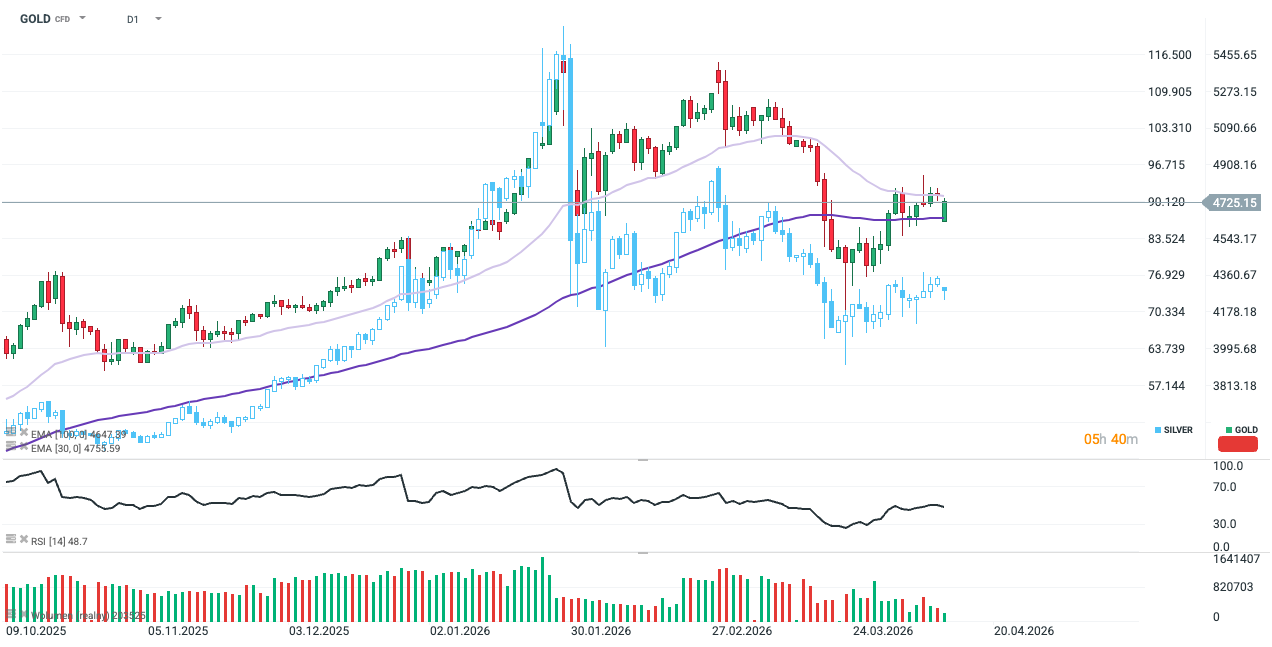
The current technical landscape for Gold shows it finding some support at the 100-day Exponential Moving Average (EMA100). However, it encounters resistance at the EMA30, which continues to hinder any attempt at a significant breakout from the prevailing downtrend. Such technical indicators are crucial for traders looking to navigate these turbulent waters.
Implications of Failed Negotiations
The diplomatic breakdown has dashed hopes for a return to the status quo. Iran has accused the U.S. of adopting a "maximalist" negotiating stance, particularly regarding uranium enrichment, a key sticking point. According to the Iranian Foreign Minister, while substantial progress had initially been made, the U.S. frequently altered its demands, ultimately leading to the negotiations’ failure.
Impact on Oil Prices
In tandem with geopolitical tensions, Brent crude prices surged past the $100 mark, currently registering a notable increase of 7.5%. Initially, there seemed to be market relief when a report from the New York Post suggested that Iran might consider halting its nuclear program. However, this report later clarified that it stemmed from a proposal by Vice President Vance rather than new developments.
Gold and Silver Response to Geopolitical Uncertainty
While Gold and Silver contracts have managed to claw back some of their earlier losses, the escalation in geopolitical uncertainty has prompted a flight to the U.S. Dollar. The potential for prolonged closure of the Strait of Hormuz raises the specter of sustained price pressure, placing additional pressure on the Federal Reserve to adopt a more hawkish approach. Nevertheless, the current high-interest-rate environment diminishes the attractiveness of commodities in comparison to fixed-income assets like bonds.
The Dollar’s Resurgence Amid Uncertainty
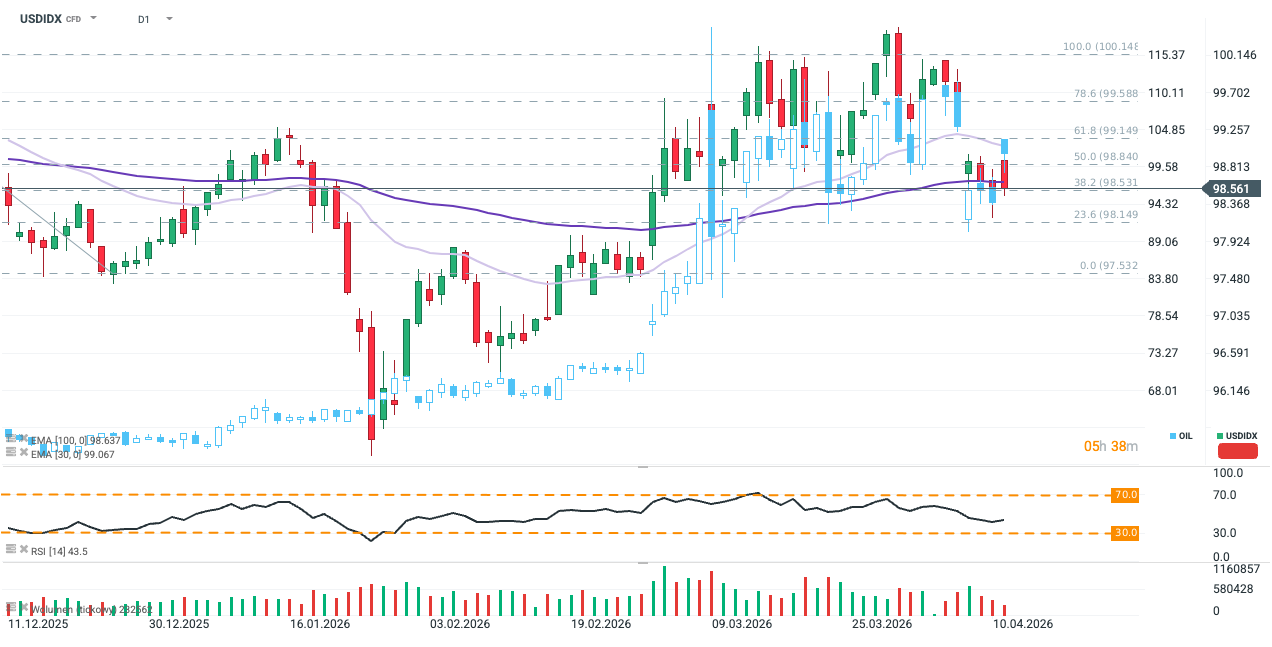
The renewed demand for oil aligns with increasing interest in the U.S. Dollar. Yet, the limited gains observed in the USDIDX today highlight considerable uncertainty about the future of the geopolitical conflict following the failed negotiations. Amidst fluctuating precious metals prices and oil markets, investors are left grappling with the complexities of a rapidly evolving landscape.
This environment necessitates a keen understanding of the interplay between geopolitical events, market demands, and technical indicators, providing a comprehensive overview of the factors influencing precious metals and energy prices in real-time. The cascading effects of diplomatic failures on global commodity markets underscore the intricate connections that shape investor behavior, making vigilance crucial for all market participants.



