

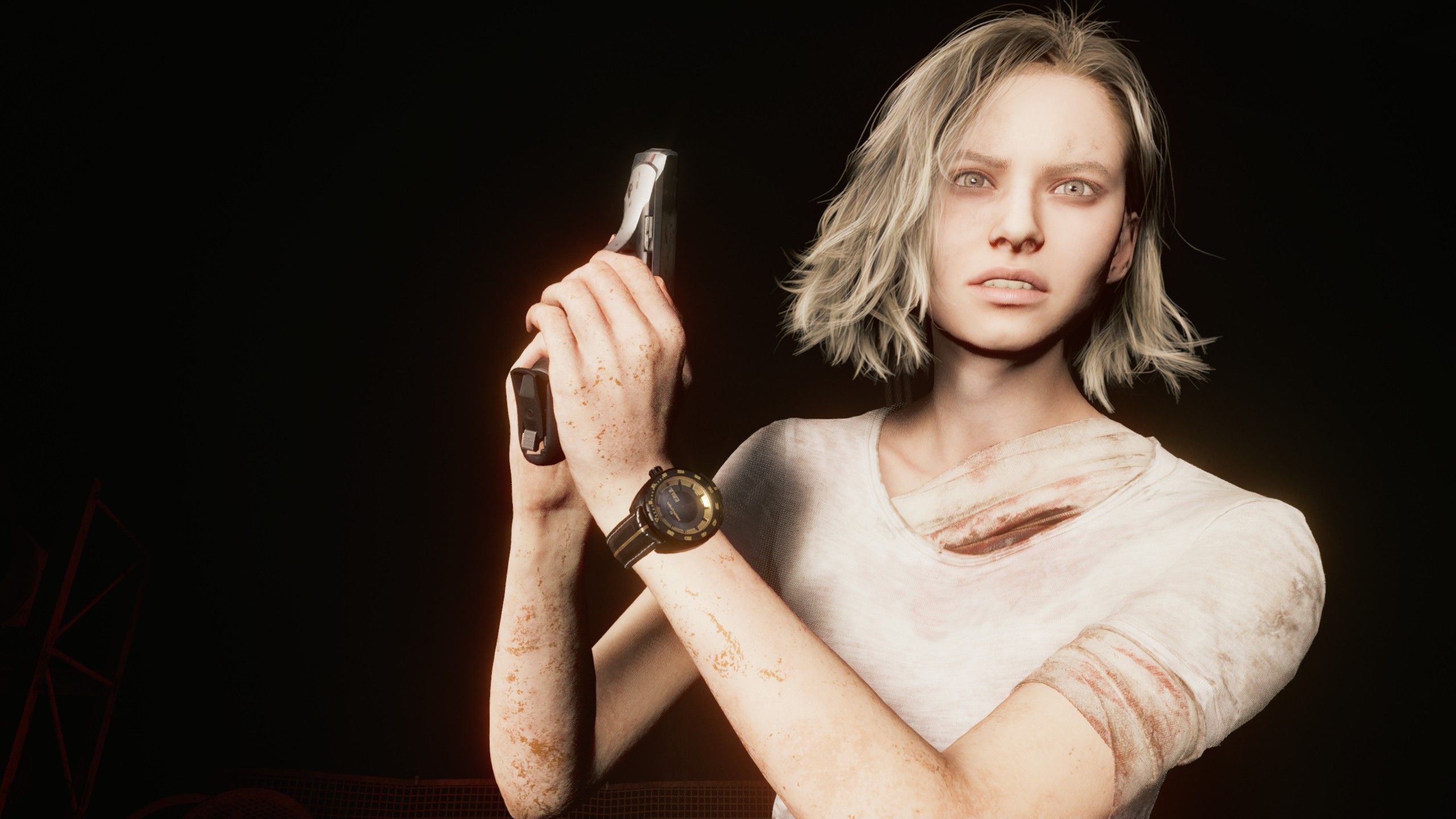
Exploring the Photo Mode in Resident Evil Requiem
A New Dimension to Gameplay
One of the most captivating aspects of modern gaming is the ability to capture moments, feelings, and, oftentimes, sheer chaos in the virtual worlds we navigate. This has become even more evident with the introduction of photo modes in various titles. Resident Evil Requiem, Capcom’s latest entry into the iconic horror franchise, recently joined the ranks by adding its own photo mode. While I had completed my playthrough prior to the patch, I couldn’t resist getting a chance to dive into this feature now.
A Photographic Temptation
Much like my experience with Mass Effect Legendary Edition’s photo mode, Resident Evil Requiem’s interface beckoned me. Immediately, I found myself stepping back from dramatic scenes to play around with the camera. Checking various poses of characters like Leon and Grace was irresistible. The playful potential of positioning stickers and effects made for an engaging yet potentially distracting experience—a tempting dive into a more artful side of a horror game renowned for its suspense.
Camera Constraints and Opportunities
One clear limitation of the photo mode is the restricted range of camera movement available. It’s satisfying enough to experiment with angles and perspectives but, in certain moments, I found myself wishing for more freedom—perhaps something for modders to amplify in the future. Imagine being able to create a dynamically sweeping narrative of terror through innovative camera angles. Currently, though, it’s a decent time killer, proving more of a novelty than a full-fledged design feature.
Lighting: A Crucial Component
While I had fun marveling at poses and employing filters, I couldn’t help but notice the absence of advanced lighting features that would elevate the photo mode to an entirely new level. The lighting can be crucial in setting the tone; think of No Man’s Sky, where players can adjust the sun’s position and brightness. It would have been great to manipulate light sources in Requiem, enhancing background visibility without washing out the foreground details. The current solution of merely cranking up the brightness is a somewhat crude workaround.
Patch Notes: The Fine Print
Interestingly, the introduction of photo mode came packaged with an essential patch that was somewhat light on specifics. General statements like “fixed a bug that caused progress to be impossible under certain conditions” do little to fill players with confidence. While it’s always a relief to see developers address issues that could hinder gameplay, I found myself wishing for a more detailed rundown. Questions echo in gamers’ minds: what was causing those crashes? Were there specific scenarios that led to occasional character expression glitches?
Creative Possibilities for Character Interactions
With the photo mode, I now have the creative license to bring a smile to Grace’s face, even amidst chaos, or catch Leon adjusting his hair mid-attack. These whimsical choices invite a lighter tone amidst the frightening atmosphere of the game, allowing players to inject their personalities into the interactions.
Navigating the Photo Mode
Activating the photo mode is straightforward—simply press the Escape key and then R, or select it via the pause menu. However, it’s worth noting that during canned animations, the freedom to move the camera is restricted—something to keep in mind. Still, players can apply filters and lighting effects, allowing some creativity even when they cannot directly manipulate the camera.
Finding Your Artistic Touch
As I explored the various poses and stickers available, I found the temptation to create unique compositions overwhelming. The mix of horror aesthetics infused with amusing poses allows a sense of artistry to bloom. Crafting these snapshots offers a moment of levity in a game that is often serious and tense, allowing for a personal touch to the engaged experiences that many of us cherish.
In the grand landscape of modern gaming, photo modes have secured their place as a beloved feature for many players, transforming the gaming experience into something akin to an interactive art form. Resident Evil Requiem’s addition of this feature opens exciting avenues for creativity, whether you’re capturing a moment of horror or a lighter interaction amidst the chaos.