

The Rogue Giants: How the US and China are Shaping a New Economic Landscape
Introduction to a New Era of Protectionism
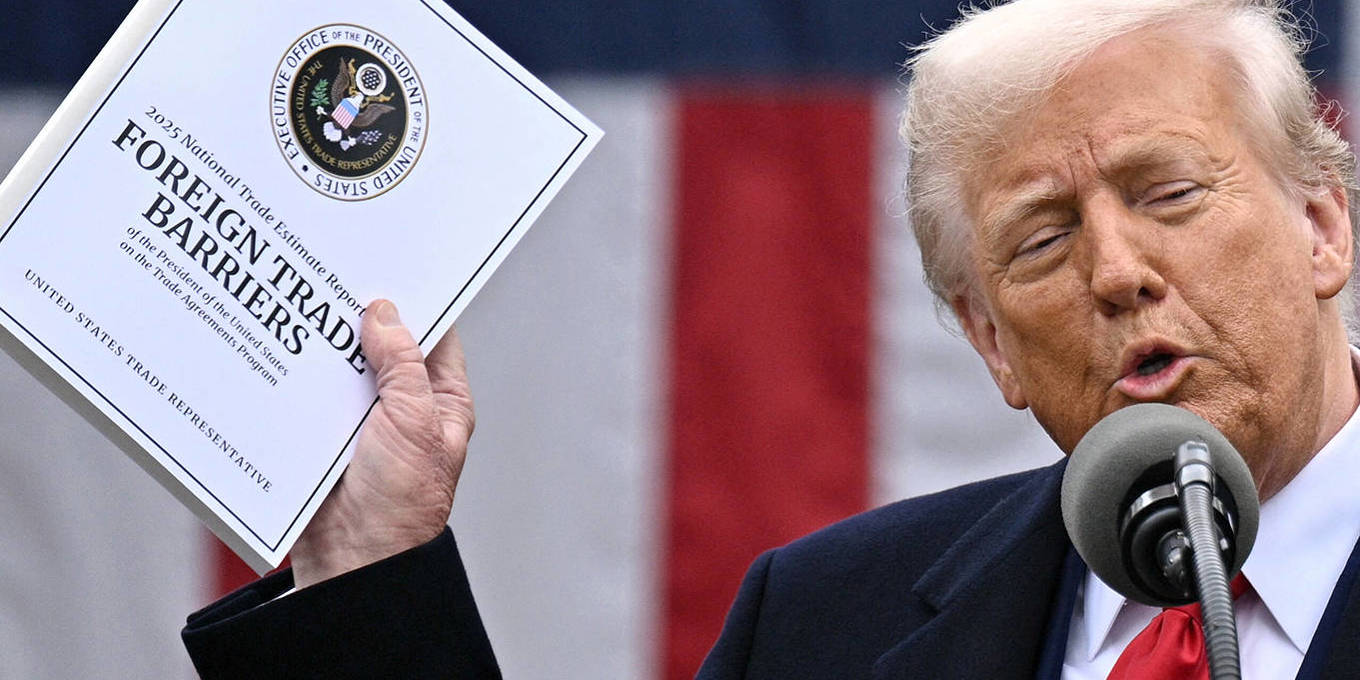
The year 2025 will likely be etched in history as the moment when US President Donald Trump ignited a seismic shift in the global trading system. Yet beyond the stark headlines lies a more complex reality—both the United States and China have broken ranks with traditional economic norms. This phenomenon, characterized by rampant US protectionism and China’s assertive mercantilism, stands as a troubling crisis for the international community, especially developing countries.
A Leaderless Economic Landscape
Some analysts have framed the current global economic environment as a “G-Zero” world, characterized by a lack of leadership among major nations. However, a more precise term may be “G-Negative-Two.” Instead of fostering collaborative global trade, both superpowers are imposing economic costs on the rest of the world. The consequences are dire, with trade policies from the US and mercantilist practices from China reinforcing each other in ways that stifle growth, especially in developing nations.
The Roots of Protectionism: A Historical Context
Trump’s ardent belief in the need for tariffs has its roots in a long-standing grievance against trade surpluses, particularly from China. This mindset posits that foreign trade, especially with China, has decimated American manufacturing. Ironically, China’s mercantilist approach has fueled Trump’s protections. High tariffs, initially introduced during Trump’s administration, have transformed the US into one of the world’s most protectionist economies, catapulting tariffs from just over 2% to about 17% in recent years.
Whims and Legal Tangles: The Uncertainty of Tariffs
The imposition of such tariffs comes with layers of unpredictability. Tariffs are often wielded as instruments of political maneuvering rather than strictly economic tools. The Supreme Court’s unwillingness to challenge the executive branch on these tariffs threatens to perpetuate a culture of erratic economic policy. Even if the Court were to cap these measures, Trump’s continued ability to exert influence guarantees ongoing uncertainty for American trading partners.
AI Boom: An Economy in Flux
One must acknowledge that while the immediate impacts of Trump’s tariffs on other countries are obscured by the thriving AI boom in the US, significant indirect effects persist. As the American economy grows, so does the ripple effect of its protectionist policies on global dynamics. However, the focus now shifts to China, which has long embedded mercantilist practices into its economic identity.
China’s Stubborn Trade Stance: A Historical Echo
A glance into China’s trade history reveals a staunch resistance to altering its mercantilist course, despite international pressure. The recent assertion that China has “nothing it wants to import” rings eerily similar to historical rejections of foreign goods. This attitude not only hampers foreign traders but deepens the country’s reliance on export dominance, especially at a time when US access is dwindling.
Mercantilism’s Impact: Growth in Other Regions
The floundering access to US markets has nudged China toward expanding its influence in other regions, particularly Southeast Asia. The pivot toward new markets illustrates a response to economic pressures, further embedding mercantilist tendencies. Studies reveal that China’s exports, particularly low-value-added goods, undermine the competitiveness of local industries in developing nations, creating a new layer of complexity in global trade dynamics.
Protectionism on the Rise Globally
The impact of Trump’s tariffs has incited a wave of protectionism globally. Countries like Mexico, facing the brunt of intense Chinese competition, have resorted to imposing their own tariffs. Yet, the interconnectedness of today’s complex supply chains makes it nearly impossible for individual nations to combat one economic behemoth without affecting others.
The Consequences for Developing Nations
For developing countries, the stakes are alarmingly high. Research indicates that the drive towards convergence—where these nations might approach Western living standards—is stagnating. With critical industries like textiles and apparel at risk due to the twin forces of US protectionism and Chinese mercantilism, the poorest populations are particularly vulnerable.
Shared Traits of Economic Giants
Ultimately, the undercurrents of US protectionism and Chinese mercantilism expose a shared trait between the world’s two leading economies. Together, they are reshaping global trade in ways that limit opportunities for others, particularly in emerging markets where such interactions could foster growth and development.
By diving deep into the current economic landscape sculpted by the actions and policies of the US and China, this article aims to illuminate the intricacies of a rapidly changing world and its implications on global trading dynamics.



