

Courtesy Photo
ALPENA – The forecast from the National Weather Service calls for unseasonably frigid temperatures through the rest of this week and the weekend. As winter settles in, it’s crucial for everyone to stay vigilant and well-prepared for the dropping temperatures.
To ensure safety during this severe cold snap, we must take proactive measures for ourselves, our friends, and especially our beloved pets. The chilling reality of winter can be hazardous, making it imperative to adapt swiftly to these harsh conditions.
In a conversation with NWS Meteorologist Faith Fredrickson, insights into the upcoming cold weather were shared. “Through the next couple weeks, we are seeing pretty strong signals for cold air to hang out throughout the eastern Midwest, including Michigan,” Fredrickson noted. Understanding the potential duration of this cold can help us plan accordingly.
For those who must venture outdoors, appropriate dressing is paramount. Fredrickson advises, “Dress in layers and try to reduce the amount of skin that is exposed.” Layered clothing acts as insulation, keeping warmth close to your body while reducing the risk of frostbite.
Additionally, having an emergency kit when traveling is wise. Fredrickson suggests bringing items like kitty litter, which can help with traction in slipping scenarios, and non-perishable food items like granola bars that don’t require heating. These are small but significant steps to ensure safety in unpredictable conditions.
Thinking beyond ourselves, our pets also require extra care during extreme cold. Cindy Johnson, president of the Huron Humane Society, emphasizes the need for responsible pet ownership in winter. She shares essential tips, stating, “I would suggest that anyone with a pet who lives outside make sure they have shelter, dry straw, a heated water bowl, and food.” If the temperatures dip drastically, the best practice is to bring outdoor pets into a warm environment.
Cats present a unique challenge in the winter. Their instinct to find warmth can lead them into dangerous situations. Leanne Bloom from the Second Chance Animal Shelter advises, “Outdoor cats may seek warmth in car engines. Bang on the hood and check thoroughly before you turn your car on.” A simple precaution like this can save a life.
If you’re concerned about outdoor cats in your area, providing them with shelter can make a significant difference. Bloom recommends creating insulated, waterproof shelters with small entrances. She explains, “Make sure you elevate the shelter off the ground, if possible, with the entrance facing away from the wind.” This design helps keep them dry and shielded from harsh winds.
When insulating these shelters, it’s important to know what materials to use. “Straw is the only thing it should be lined with. Blankets absorb moisture and can freeze,” Bloom warns. This knowledge is vital for anyone trying to keep outdoor animals safe from the elements.
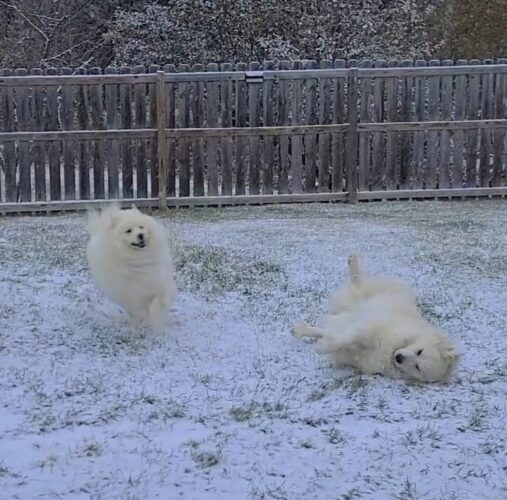
For pets that need to go outside, there are several precautions we can take. Johnson suggests providing protection for their paws and dressing them in coats or sweaters. “Limit the time they spend outside. If it’s too cold for you, it’s too cold for them, too,” she advises. Keeping walks brief and offering warm, cozy spaces at home allows pets to enjoy the winter season without the dangers of extreme cold.



