

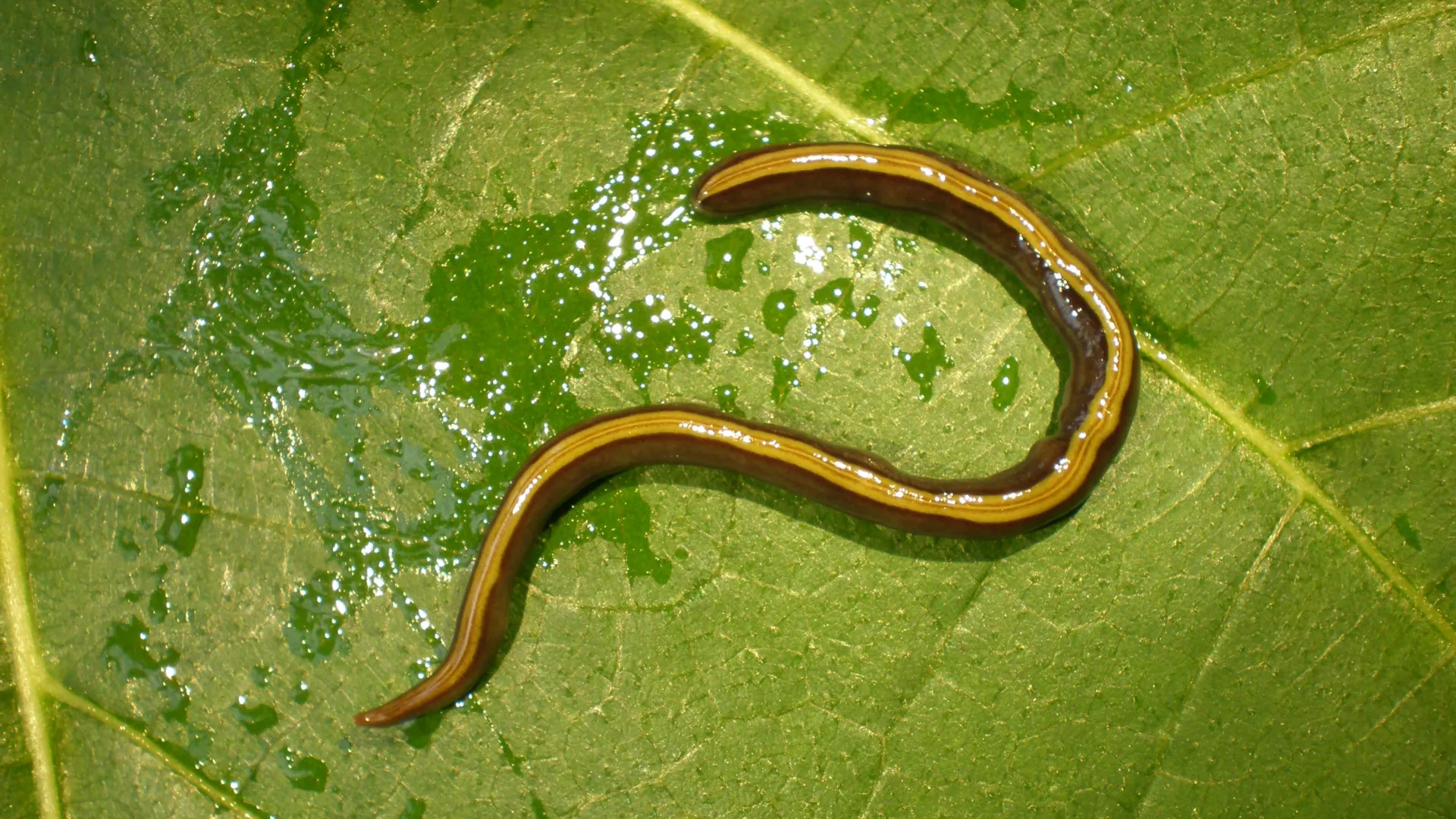
Uncovering the Surprising Role of Pets in the Spread of Invasive Flatworms in France
A recent study published in the esteemed journal PeerJ has brought to light an unforeseen aspect in the proliferation of invasive flatworms in France. Conducted by a researcher from the Institute of Systematics, Evolution and Biodiversity (ISYEB) at the French National Museum of Natural History, in collaboration with a colleague from James Cook University in Australia, the findings indicate that our beloved household pets might be unwittingly contributing to the movement of this species across the landscape.
The Mystery of Slow-Moving Invaders
Flatworms, belonging to the phylum Platyhelminthes, are an intriguing yet troublesome group of organisms that typically extend their reach through human-driven activities, primarily related to plant movement. Gardening practices and the horticultural trade have long been identified as primary vectors for the growth of their populations. However, a significant question remained unanswered: How could these sluggish creatures appear in gardens that hadn’t recently welcomed new plant life?
The study sheds light on this perplexing conundrum, igniting curiosity and concern about the hidden factors in the spread of these invasive species.
Unearthing Evidence Through Citizen Science
To tackle the puzzle, research teams scoured over 12 years’ worth of observations gathered from citizen science initiatives throughout France. The wealth of data collected revealed a previously unrecognized channel for the spread of flatworms: household pets. In multiple instances, researchers discovered flatworms clinging to the fur of dogs and cats. This unexpected revelation underscores the critical role that domestic animals play in dispersing these invasive species across different locales.
Spotlight on Caenoplana variegata
Out of approximately ten flatworm species that have infiltrated France, one species emerged as particularly notable: Caenoplana variegata. What sets this invasive flatworm apart is its ability to use sticky mucus, a feature that correlates with its diet as a predator of small arthropods. This adhesive property guarantees that the flatworm remains securely attached to a furry host during travel.
Moreover, Caenoplana variegata possesses the fascinating ability to reproduce asexually, allowing it to establish new populations rapidly after being transported. Such traits enhance its capability to procreate and thrive in new environments, making it an even more effective invader.
Pets as Unintentional Spreaders
The findings suggest that the extensive mobility of pets, as they roam through various outdoor spaces, contributes significantly to the global spread of certain invasive flatworms. Whether it’s a dog accompanying its owner on a walk or a curious cat exploring the neighborhood, these common activities may lead to the unintentional dispersal of these flatworms to new areas. This newfound understanding of the connection between domestic animals and the spread of invasive species highlights something that many pet owners might not have considered.
The Bigger Picture
The study’s revelations extend beyond just the realm of flatworms. Understanding how invasive species move and establish themselves in new habitats is crucial for developing effective management strategies. By recognizing household pets as potential carriers, researchers can better quantify the risks associated with pet ownership and devise ways to mitigate the spread of these problematic organisms.
As more scientists delve into the complexities of wildlife movement, the shared bond between humans and their pets will inevitably reveal further insights into our shared ecosystems. This reflective research not only enriches our knowledge of biodiversity but also underscores our responsibilities as caretakers of both pets and the environment.
The intricate web of life continues to surprise us, and studies like this highlight the unforeseen ways in which we, often without knowing, influence the natural world around us.



