

Understanding the Role of Games and AI in Education: Insights from Magy Seif El-Nasr
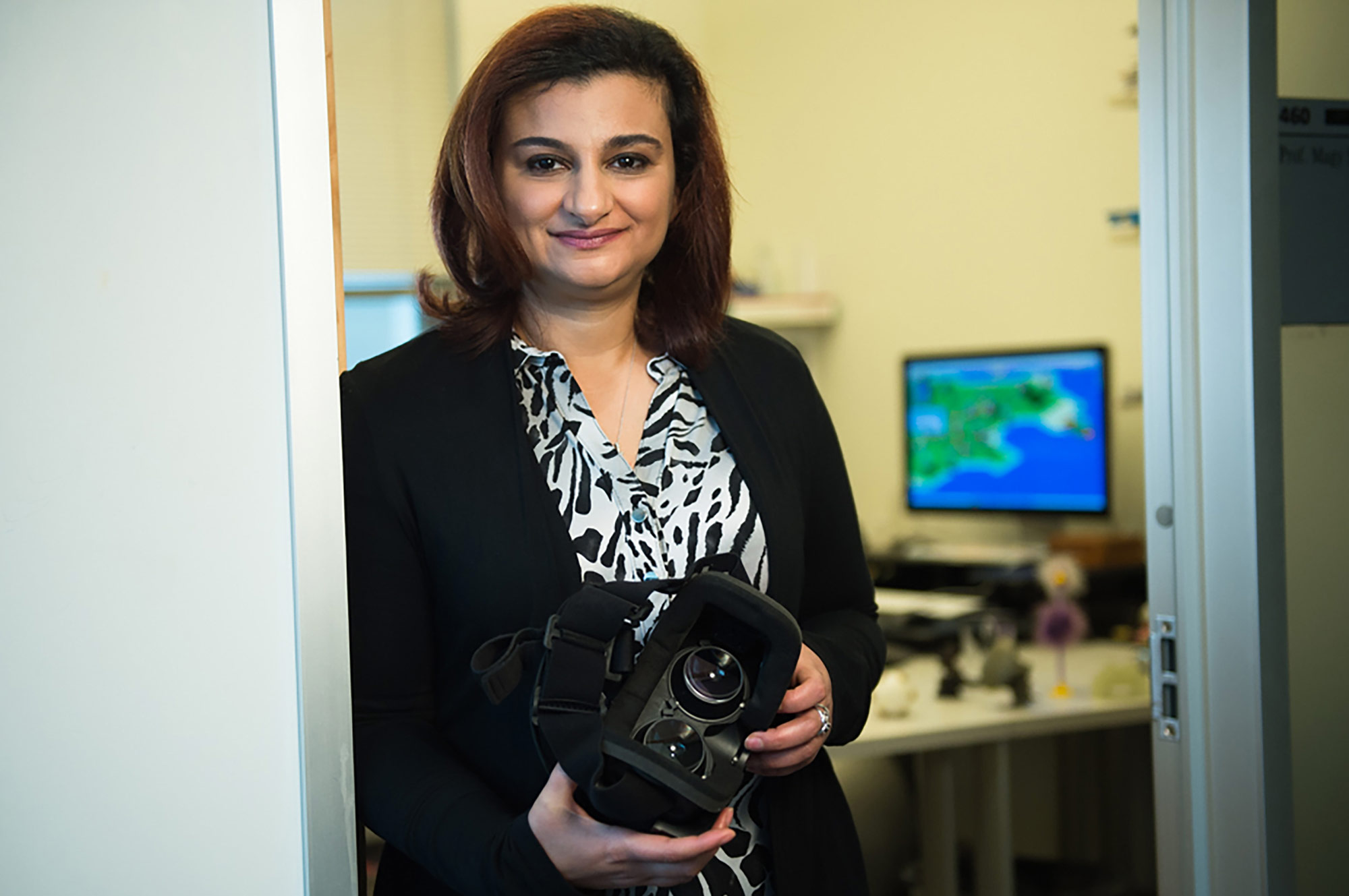
For Magy Seif El-Nasr, playing games goes beyond mere entertainment; it serves as a pathway to understanding human behavior and enhancing educational experiences. As a professor of computational media and the director of the Game User Interaction and Intelligence Lab at UC Santa Cruz, Seif El-Nasr has dedicated her career to exploring the intersection of gaming, emotional engagement, and artificial intelligence.
A Journey Through the Evolution of Gaming
Since embarking on her academic journey in computer science during the 1990s, Seif El-Nasr has witnessed the field of gaming grow from the sidelines into a recognized area of academic research. Initially focused on advancing technology, early gaming research lacked exploration into emotional and social impacts. Now, the landscape includes a wealth of studies that examine not just game mechanics, but also how narratives and player engagement affect users.
As she delved deeper into the realm of games, Seif El-Nasr noted a significant shift. The growth of a serious games industry aimed at training, rehabilitation, and education highlights how games can transcend traditional recreational purposes. For instance, games are now being developed to assist stroke patients in movement therapy, showcasing the transformative potential of gaming.
Early Influences and Current Favorites
Seif El-Nasr’s foundational interest in games blossomed during her childhood when she recognized their potential to foster connections. Her subsequent exploration during graduate school emphasized artificial intelligence and emotional connections through gameplay experiences.
Among her personal favorites is the narrative-rich game Assassin’s Creed, known for its beautiful environments and compelling storytelling. Additionally, she enjoys community-based games like Candy Crush, which serve as a means to stay connected with her family, particularly her mother.
Navigating Challenges in Academia
Despite the challenges of establishing gaming as a recognized academic field, Seif El-Nasr’s early experiences were met with enthusiasm rather than skepticism. She recalls a supportive community that valued her innovative approach to studying interactive entertainment.
However, as gaming research continued to evolve, questions arose regarding its legitimacy within the scientific community. The pursuit of understanding whether gaming could be classified as rigorous science has been a recurring theme. Yet, Seif El-Nasr firmly believes in the educational potential of games, asserting that they can serve as tools for meaningful learning experiences when combined with reflective practices and social interactions.
The Role of AI in Modern Education
Now serving as UC Santa Cruz’s Presidential Chair, Seif El-Nasr is focused on integrating AI into educational frameworks. For her, teaching about AI isn’t just an academic exercise but a necessity in an increasingly AI-driven world. Her initiatives aim to raise awareness about AI’s operation and its applications in education, emphasizing a human-centered approach to technology.
Since taking on this role, Seif El-Nasr has engaged in various discussions on how educators can effectively incorporate AI. For instance, as students interact with AI tools, the key consideration is teaching them to think critically about the information provided rather than relying solely on it.
Perspectives on AI’s Future
Seif El-Nasr recognizes prevalent misconceptions regarding AI, particularly the fear that it will make many jobs obsolete. While she acknowledges that some jobs may be replaced, she firmly believes that AI will also create new opportunities. The integration of AI into various sectors calls for a proactive approach in education, ensuring that future generations are equipped with the necessary skills to navigate this evolving landscape.
As she continues her tenure as Presidential Chair, her commitment to fostering AI literacy remains steadfast. Plans for the upcoming year include leading workshops on AI in education and collaborating with teaching centers at other universities to broaden the dialogue around AI’s role in learning.
Conclusion
Magy Seif El-Nasr embodies the fusion of technology, gaming, and education. Her work not only highlights the important role of serious gaming but also underscores the necessity of integrating AI into educational practices. Through her initiatives, she is paving the way for a more interconnected, informed, and technologically adept generation of learners.



