

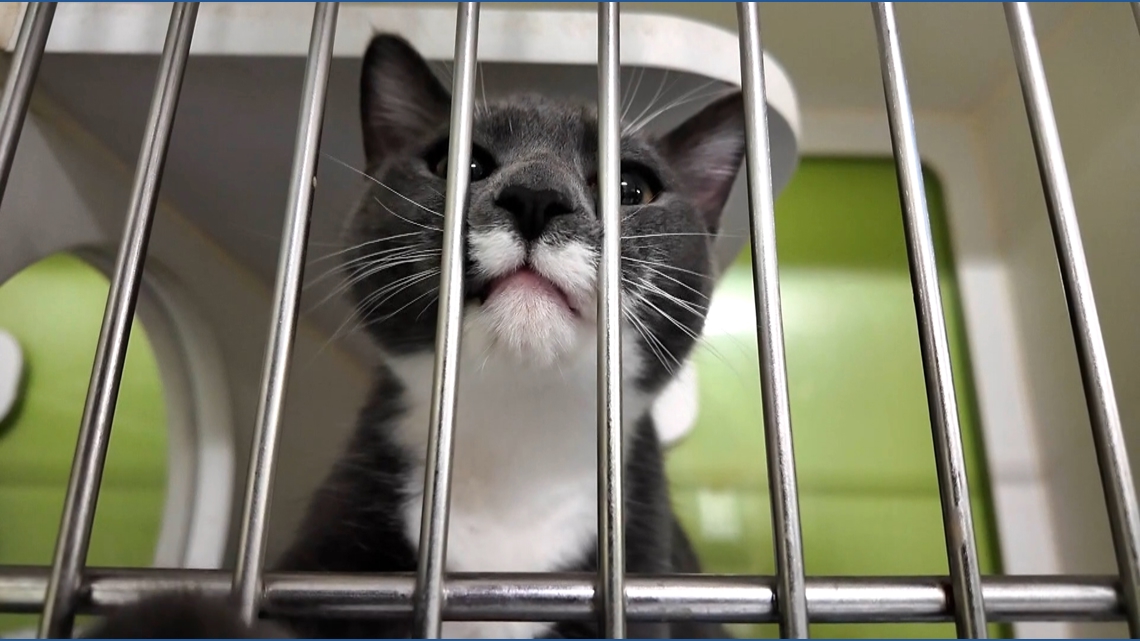
Animal Shelters: A Lifeline for Pet Owners Amid Resource Challenges
MUSKEGON, Mich. — As temperatures plummet in West Michigan, the combination of harsh winter weather and increased challenges for pet care creates a pressing reality for both pet owners and animal shelters. In these frigid conditions, attention turns to the essential resources available to ensure that our furry friends remain safe and warm.
Compassionate Call to Action
Alexis Robertson, the executive director of the Big Lake Humane Society, reminds us of the urgent need to protect animals during cold stretches. “Whenever the temperatures get cold or storms roll in, our hearts break for the animals outside—whether they are pets, strays, or feral cats. It’s hard for any animal to survive these conditions,” she shares.
It’s during extreme weather that pet owners are reminded of the importance of shelter—both for themselves and their animals. Robertson strongly advocates for bringing pets indoors when temperatures drop, emphasizing that prolonged exposure to the elements can lead to disorientation and an increased risk of getting lost.
Keeping Pets Safe Outdoors
For those without a fenced-in yard, walking dogs on leashes is a safe alternative to give them outside time while minimizing the risk of them getting lost. Robertson advises that outdoor pets should be kept indoors during severe weather, but for many, that’s not always an option. Here, she highlights vital resources available to help community members provide safer alternatives for neighborhood strays or outdoor pets. “Most animal control facilities and humane societies in your communities offer options like outdoor houses,” she notes.
At Big Lake, they provide free outdoor cat houses and straw for insulation, ensuring that even outdoor pets can have a semblance of warmth and shelter. Their pet food pantry operates every Thursday from noon to 5 p.m., giving families access to the vital nutrition their pets need during tough times. Robertson encourages checking local resources by calling 311 or seeking out community organizations, ensuring pet owners are aware of what’s available to them.
The Struggle for Shelter Resources
While animal shelters extend their hands to support pet owners in need, they face their own challenges in maintaining sufficient supplies. As the winter season intensifies, shelters often encounter a drop in foot traffic. “We know that when the temperatures turn, we see less foot traffic from adopters and volunteers,” Robertson states. This reduction can strain resources, heightening the demand for supplies at a time when they’re needed most.
Currently, Big Lake’s shelter is experiencing shortages, particularly in hard cat food and cleaning supplies. With pets spending more time indoors, the consumption of resources surges. “Making an Amazon delivery or donation of supplies is a great way to help out,” Robertson explains. For those willing to brave the cold, visiting the shelter and spending time with the pets can lead to better socialization and opportunities for adoption.
Growing Medical Needs for Stray Pets
As the harsh conditions lead to more strays seeking refuge, Big Lake’s veterinary clinic is experiencing an increase in incoming animals needing medical care. The shelter operates at or above capacity, managing between 100 to 120 pets simultaneously, not including those in foster care. Robertson emphasizes the importance of fostering as a way to lighten the load on shelters while helping animals in need find loving homes.
Moreover, January often witnesses a heartbreaking trend—pets that were gifted during the holiday season are surrendered back to shelters. “Unfortunately, many people find that after the holiday season, when lives return to regular routines, pets readjusting to a new environment becomes difficult,” she reflects. This pattern, compounded by winter storms, creates a surge in surrender requests, presenting unique opportunities for those looking to adopt.
A Community Effort
In times of heightened need, it’s crucial for communities to rally together around their local shelters. From making donations and volunteering time to spreading awareness about resources, every little effort counts. Animal welfare is a shared responsibility, and as winter descends, the need for compassion and action becomes overwhelmingly clear.
Robertson’s voice resonates with those engaged in animal welfare and speaks volumes to pet owners as well. With proper resources in place, shelters and community members can work hand in hand to ensure that no pet is left out in the cold this winter.



