

Revolutionizing Avocado Consumption: AI Predicts Ripeness and Quality
Introduction to the Challenge
In the vibrant world of fruit consumption, avocados hold a special place—not just for their buttery texture and versatility, but also for their role as one of the most wasted foods globally. Luyao Ma, an assistant professor at Oregon State University, sheds light on this pressing issue. “Avocados are among the most wasted fruits globally due to overripeness. Our goal was to create a tool that helps consumers and retailers make smarter decisions about when to use or sell avocados,” she explains.
The Technology Behind the Solution
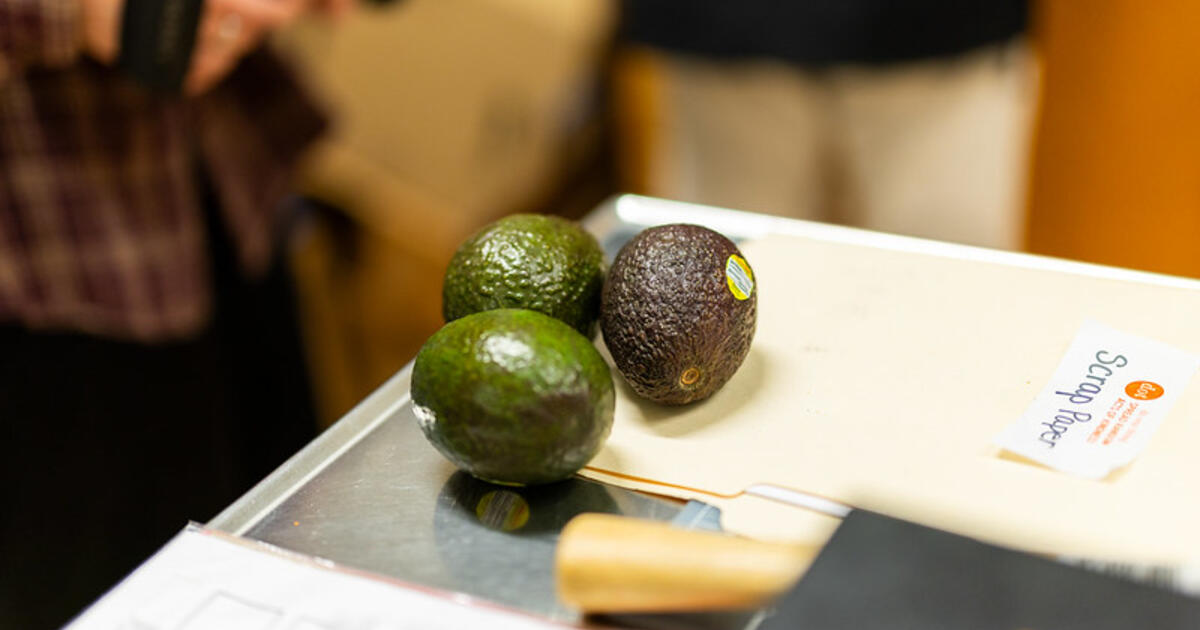
A groundbreaking initiative has emerged from collaborative efforts between researchers at Oregon State University and Florida State University: smartphone-based artificial intelligence capable of assessing avocado ripeness and internal quality. This innovation stems from an extensive training process involving over 1,400 images of Hass avocados captured on iPhones. The resulting AI system exhibits impressive accuracy levels, predicting firmness—a critical indicator of ripeness—with nearly 92% accuracy and distinguishing fresh from rotten avocados with over 84% accuracy.
Potential for Improvement and Expansion
The beauty of this technology lies in its adaptability. As the model continues to receive more images for training, researchers anticipate that accuracy rates will enhance. This isn’t merely a one-fruit solution either; the potential spans far beyond avocados, paving the way for ripeness and quality assessments of various other food products. The idea is to empower consumers with the knowledge needed to make informed choices while grocery shopping.
Applications in Home Cooking and Retail
Imagine a world where you can effortlessly evaluate the perfect avocado for your favorite toast, avoiding the dreaded brown spots concealed within an overripened fruit. The research team hopes to refine the technology for household use, making it accessible for everyday consumers.
Further, the implications extend into the commercial realm, particularly in avocado processing facilities. The AI system can aid in efficiently sorting and grading avocados. For instance, if it identifies a batch nearing full ripeness, it can direct that batch to a closer retailer, ensuring fresh produce reaches consumers in optimal condition. Retailers can leverage this technology to prioritize sales based on the ripeness of the avocados in stock, ultimately enhancing customer satisfaction and minimizing waste.
Advancements over Previous Methods
This initiative builds on past efforts in food quality assessment using machine learning techniques. Previously, researchers depended on manual feature selection and traditional algorithms, leading to limitations in predictive performance. In-Hwan Lee, a doctoral student collaborating with Ma on the project, emphasizes the significance of their approach. “We used deep learning techniques that automatically capture a broader range of information, including shape, texture, and spatial patterns to enhance the accuracy and robustness of avocado quality predictions,” he states.
A Personal Connection to Avocado Consumption
Ma’s choice to focus on avocados resonates on a personal level. As an avid fan of avocado toast, she has encountered the frustration of not knowing the ideal ripeness before cutting into one. This investigation not only addresses a scientific challenge but also aligns with her daily experiences, reinforcing the relevance of the research in everyday life.
Addressing Global Food Waste
By tackling the issue of avocado wastage, this research contributes to a larger global dialogue on food waste. The staggering reality is that approximately 30% of the world’s food production goes to waste, prompting organizations like the U.S. Department of Agriculture and the Environmental Protection Agency to aim for a 50% reduction by 2030. Ma emphasizes, “Avocados are just the beginning. This technology could be applied much more broadly, helping consumers, retailers, and distributors make smarter decisions and reduce waste.”
Future Directions for Development
The findings of this innovative study were recently published in Current Research in Food Science, showcasing the potential for applying AI in the food industry to enhance quality control and minimize waste. The research team, which includes collaborators like Zhengao Lee from Florida State University, is enthusiastic about the future possibilities that this technology presents, not just for avocados but across a wide spectrum of food products. Through ongoing research and development, they aim to usher in a new era of food quality assessment, one that harmonizes the intersection of technology and sustainable consumption.



