

The Status Quo: Oil Prices, Stocks, and Global Trade Dynamics
In April 2026, a significant shift unfolded in the ever-turbulent landscape of global economics—a scenario that has fascinated experts and ordinary citizens alike. The reopening of the Strait of Hormuz for commercial traffic had profound implications, leading to a dramatic collapse in oil prices and a corresponding surge in stock markets. This pivotal moment is rooted in an intricate web of geopolitical relations and economic strategies.
The Strait of Hormuz: An Economic Gateway
The Strait of Hormuz is not just a narrow passageway; it is a crucial artery for global oil trade. Approximately 20% of the world’s petroleum products flow through this strait. Its significance cannot be overstated. The reopening, initiated by Iran, prompted whispers of rising confidence in markets previously rattled by shipping blockades and military tensions in the region. Financial analysts turned their eyes toward Wall Street, eager to gauge how these international movements would ripple through American markets.
Market Reactions: Stocks on the Rise
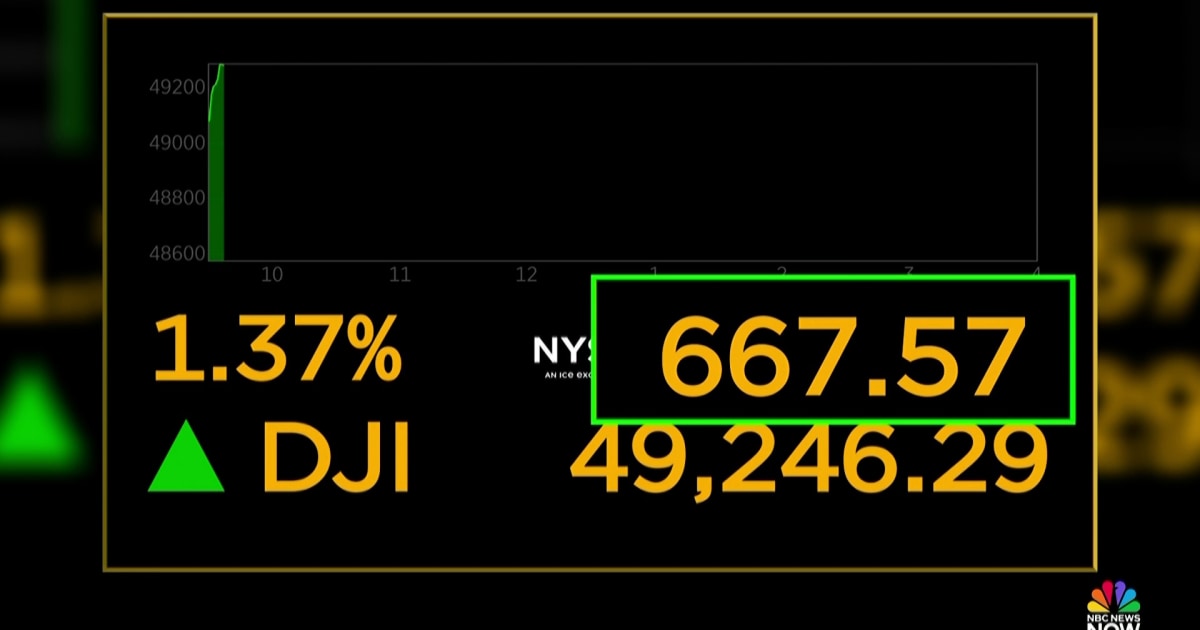
The immediate response from traders was one of enthusiasm. Stock indices climbed as investors breathed a sigh of relief. With oil prices slumping, consumer fears about rising fuel costs diminished, enabling the market to rally. Although the economic predictions were tempered with caution, the bullish moves indicated a momentary confidence that underpins the ever-volatile financial markets.
Geopolitical Context: Iran’s Strategic Maneuvers
For Iran, the decision to reopen the Strait is a strategic maneuver in a broader narrative that involves regional stability and international relations. After prolonged tensions, the Iranian government’s announcement hinted at a willingness to engage diplomatically rather than militarily. This pivot was seen not just as a practical choice to stimulate trade and economy but also a calculated effort to mend fences with international stakeholders, especially those impacted by previous blockades.
Implications for Global Oil Prices
The plummeting oil prices signify a shift in supply-demand dynamics. With barriers removed, the expectation of a flood of oil into the markets commenced, fueling speculation about long-term pricing strategies. Producers not just in the Middle East but around the world will be watching closely, as the cost of oil deeply impacts inflation rates and consumer spending in various nations.
Concerns from Europe: Jet Fuel Shortages
Amid the optimism in the U.S. markets, Europe found itself wrestling with looming concerns of its own—specifically, a jet fuel shortage exacerbated by the prevailing geopolitical climate. With prices of aviation fuel rising, travelers braced for potential disruptions. Airlines and governments began constructing contingency plans, further illustrating the interconnectedness of global markets—the ripple effects of developments in one region can send tremors across continents.
The Future of U.S.-Iran Relations
This latest development also raises questions about the future trajectory of U.S.-Iran relations. The events in the Strait of Hormuz could either pave the way for renewed diplomatic negotiations or escalate tensions again. The U.S. has strategic interests in the region, and a stable Middle East is not just beneficial for oil supply chains but also for broader geopolitical stability.
The Role of International Stakeholders
As countries worldwide monitor the situation, other players are keenly focused on the economic potential of a stable Strait of Hormuz. The involvement of global entities adds another layer to these dynamics, ensuring that any shifts will reverberate well beyond the immediate region. This geopolitical chess game unfolds as nations craft their responses to maintain their economic interests.
Conclusion: A Fluid Situation
Navigating through this complex tableau of economics and international relations requires sharp insight. The implications of reopening the Strait of Hormuz touch on central themes of trade, security, and regional stability. As developments continue to unfold, stakeholders from governments to consumers will monitor how this pivotal moment shapes the past, present, and future of global economics. The interplay of market forces, geopolitical maneuvering, and consumer sentiment will define the trajectories of nations and economies in the months to come.



