

The Supreme Court Tackles Women’s Sports: A Landmark Debate
Introduction to the Cases
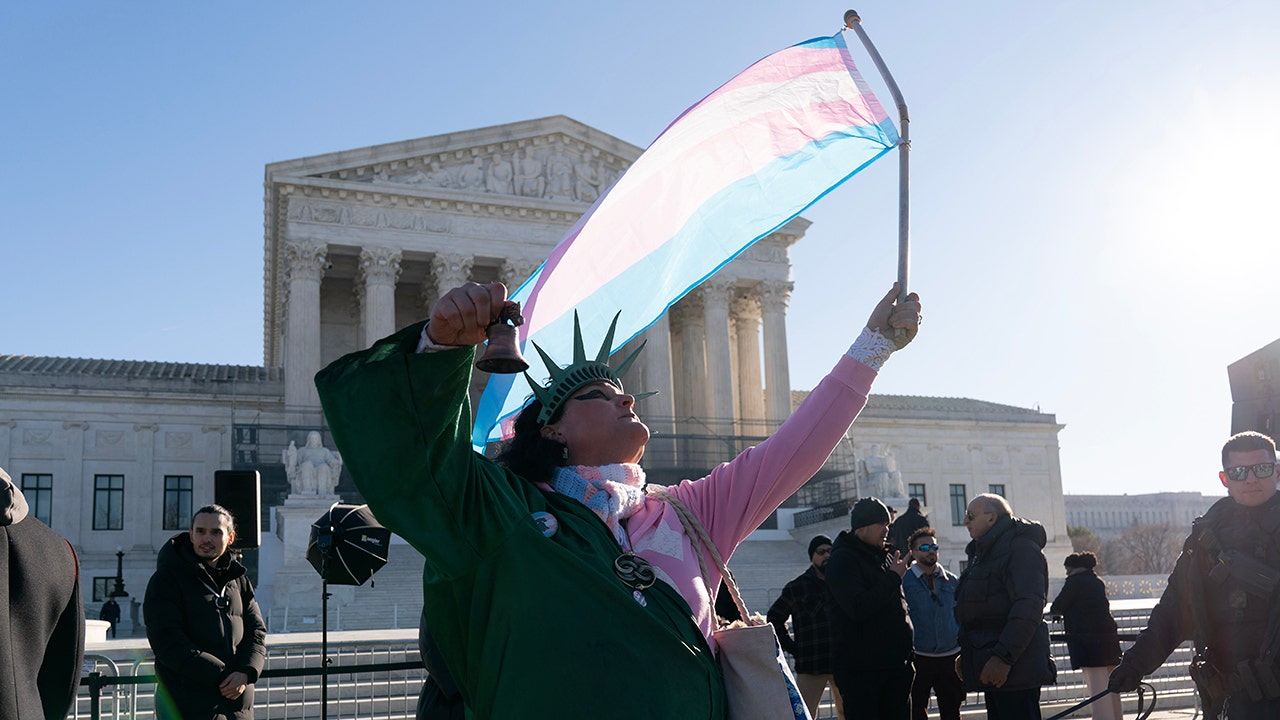
The U.S. Supreme Court recently engaged in a pivotal examination of two landmark cases — Little v. Hecox and West Virginia v. B.P.J. — that center around the contentious issue of women’s sports and the rights of transgender athletes. The discussions, which lasted for over three hours, raised fundamental questions not only concerning sports but also regarding legal definitions of gender and sex.
Context of the Debate
In recent years, a notable trend has emerged where biological boys identifying as transgender girls have been participating in female sports. This phenomenon has raised concerns among advocates for women’s sports, as there are instances wherein girls and women have reported losing competitions, scholarships, and sometimes enduring injuries against their physically stronger competitors. A significant United Nations report highlighted this issue, revealing that as of August 2024, over 600 female athletes across 400 competitions globally have lost more than 890 medals to individuals who identify as women but are biologically male.
The Cases at a Glance
The discussions before the Supreme Court revolved around two fundamental questions. For the Idaho case, the primary query was whether laws aimed at protecting women’s sports by limiting participation to those designated female at birth infringe upon the Equal Protection Clause of the Fourteenth Amendment. The West Virginia case not only echoed this question but introduced an additional consideration: does Title IX, which seeks to prevent gender-based discrimination in education, bar states from designating sports teams based on biological sex determined at birth?
Idaho’s Historic Law
Idaho was the first state to enact a law safeguarding women’s sports by tying athletic participation to biological sex. This Fairness in Women’s Sports law was challenged by Lindsay Hecox, a biological male who identifies as a transgender woman and sought to join the Boise State University women’s athletic teams. Hecox argued the law was unconstitutional, leading to a series of legal wranglings culminating in the Supreme Court hearing.
West Virginia’s Legislative Action
West Virginia’s Save Women’s Sports law followed a similar trajectory. It aimed to maintain stringent biological definitions for sports participation. This law faced challenges from B.P.J., an 11-year-old biological male athlete identifying as female, who litigated against the law before its implementation, arguing it was discriminatory.
Complex Legal Arguments
The arguments presented to the court dove deep into legal technicalities concerning the distinction between sex and status. Idaho’s legal team emphasized that their law simply seeks to classify individuals based on biological sex — a move they argue maintains fairness and safety in women’s sports. Conversely, the opposing counsel asserted that the law discriminates against transgender individuals, thereby requiring a higher standard of judicial scrutiny.
Classifications and Gender Definitions
Justice Samuel Alito raised pivotal questions regarding the very definition of "sex" in the context of equal protection under the law. He questioned how a court could assess discrimination based on sex without clarity on what that term encompasses. This inquiry echoed broader societal discussions about gender definitions, an issue that has divided opinions both on and off the court.
Divergent Perspectives Among Justices
Judges Ketanji Brown Jackson and Neil Gorsuch displayed contrasting inclinations during the proceedings. Justice Jackson appeared to advocate for a flexible approach, suggesting that exceptions could be made for transgender individuals under certain circumstances. Meanwhile, Gorsuch initially leaned toward supporting the athletes’ positions, reminiscing his previous rulings connecting "sex" to gender identity in employment discrimination cases, though he later acknowledged that Title IX’s historical context could indeed differentiate it from Title VII.
Title IX and its Realities
The discussion pivoted as the court examined Title IX, enacted in 1972 to create equal opportunities for female athletes. West Virginia contended that their law promotes equality by classifying athletes strictly by biological sex, aligning with Title IX’s original intent. In contrast, opponents argued that such legislation constitutes undue discrimination against transgender individuals, undermining the law’s principles.
Core Concerns for Women’s Sports
Justice Brett Kavanaugh articulated reservations about the long-term implications of these policies. He noted the dynamic growth of women’s sports over the past fifty years, emphasizing the potential risks to this progress if transgender individuals are allowed to compete based solely on their identified gender without consideration for biological differences.
Conclusion
As arguments concluded, the Supreme Court’s role in defining the future of women’s sports, and potentially the definition of what it means to be a woman, stands pivotal. The justices will deliberate over these cases, aiming to deliver a ruling by June, which will undoubtedly ripple through various spheres — encompassing legal, social, and athletic domains. The intersection of gender identity and women’s rights in sports continues to evolve, making this a crucial moment in American jurisprudence.



