

Supreme Court Ruling Reshapes Trump’s Tariff Authority
Introduction to the Ruling
In a significant decision that reshapes the landscape of U.S. tariffs, the Supreme Court ruled that former President Donald Trump exceeded his lawful authority by implementing extensive tariffs under the International Emergency Economic Powers Act (IEEPA). In a 6-3 ruling, the justices affirmed the argument that using IEEPA for imposing tariffs lacked congressional authorization and was thus unconstitutional.
Details of the Supreme Court Decision
Chief Justice John Roberts authored the ruling, joined by three liberal justices and two conservative justices, Neil Gorsuch and Amy Coney Barrett. The majority expressed that the IEEPA does not empower the president to levy tariffs. Roberts emphasized, “The president asserts the extraordinary power to unilaterally impose tariffs of unlimited amount, duration, and scope. However, we hold that IEEPA does not authorize the president to impose tariffs.”
Conversely, Justices Clarence Thomas, Brett Kavanaugh, and Samuel Alito dissented, marking it as an unusual setback given the court’s conservative tilt since Trump’s presidency began in January 2025.
Immediate Reactions from the Trump Administration
Speaking shortly after the decision, Trump expressed his strong discontent with the ruling, labeling it a "disgrace" and questioning the integrity of the justices who sided against him. He insinuated that the ruling was influenced by foreign interests. Despite this setback in using IEEPA for tariffs, Trump announced on social media that he planned to enact new tariffs based on different legal frameworks, indicating a readiness to persist with his tariff strategies.
Economic Implications and Business Reactions
The striking down of many of Trump’s tariffs led to a noticeable surge in the stock market, suggesting investor relief at the decision. While Trump had promoted tariffs as beneficial to the U.S. economy, business owners who had faced the brunt of these tariffs cheered the ruling. Victor Schwartz, a wine and spirits importer, articulated the frustration many felt, stating that the tariffs were unpredictable and detrimental to business.
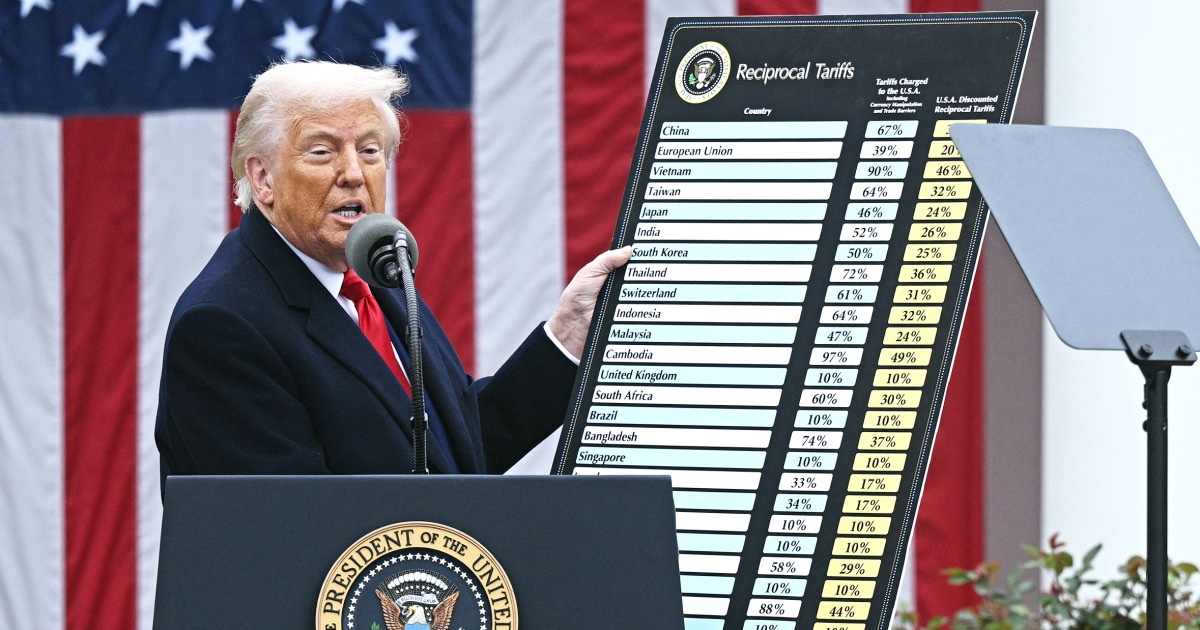
The decision specifically impacts two major categories of tariffs: the reciprocal tariffs imposed on products from specific countries and the tariffs aimed at curbing the flow of fentanyl, which were viewed as unconstitutional overreach.
Remaining Questions About Tariff Refunds
While the ruling invalidated many tariffs, the Supreme Court did not directly address the issue of refunds for importers who paid them. Justice Kavanaugh highlighted in his dissent that the financial implications on the U.S. Treasury could be considerable, creating uncertainty about how the government might facilitate refunds, if at all. A coalition of small businesses is advocating for a swift and straightforward refund process, arguing that delays could financially cripple them.
Contextualizing the Ruling within Presidential Authority
Historically, Trump’s approach to tariffs was unprecedented; no president prior had utilized IEEPA for such a purpose. The law grants the president the authority to “regulate” imports and exports during times of national crisis but does not explicitly mention tariffs. This distinction was crucial in the court’s ruling, reaffirming Congress’s power to set tariffs, not the executive branch.
The ruling also echoes the broader context of judicial skepticism towards presidential unilateralism, especially under President Joe Biden’s administration, where several executive actions faced opposition in court.
Conclusion: Broader Implications for Trade Policy
As we sift through the implications of this landmark ruling, it’s essential to recognize it as a moment that may redefine executive influence over trade policy going forward. With ongoing legal debates surrounding tariffs and the possible financial recourse for impacted businesses, the discussion surrounding tariffs in the U.S. remains far from over. The Supreme Court’s decision not only reflects a shift in judicial philosophy but also resonates with the broader implications for how future administrations approach trade and economic policy.



