

The Arrest of Don Lemon: A Closer Look at the Implications
Introduction to the Arrest
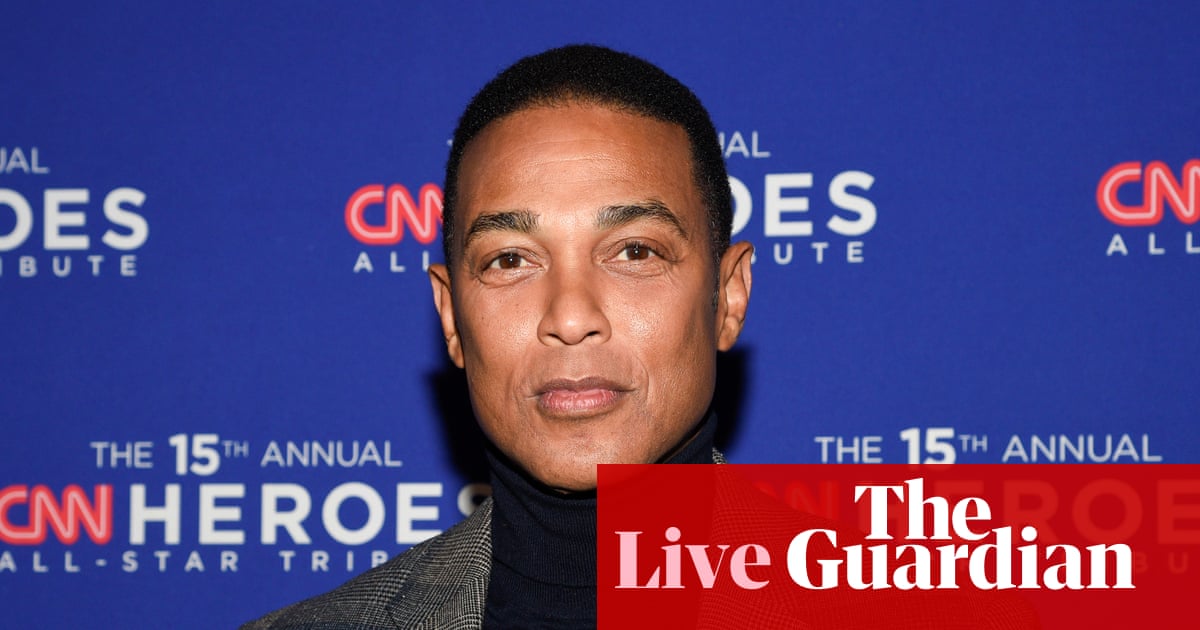
Don Lemon, the prominent former CNN anchor, was arrested by federal agents in Los Angeles on January 30, 2026. His lawyer, Abbe Lowell, confirmed that Lemon was taken into custody while covering the Grammy Awards, just days after a magistrate judge declined to approve charges against him related to his documenting of a protest in Minnesota. This incident has sparked widespread debate, raising questions about the freedoms of the press and the nature of governmental authority.
Background of the Incident
The protest at the center of this controversy occurred earlier in January 2026 at a church in Saint Paul, Minnesota. Local activists targeted the church due to suspicions that its pastor was linked to Immigration and Customs Enforcement (ICE), which had recently intensified its enforcement actions in the Twin Cities. These crackdowns reportedly resulted in the deaths of two peaceful protesters, causing outrage and prompting a movement against ICE’s aggressive tactics.
Legal Defense and Charges
In a statement following Lemon’s arrest, Abbe Lowell highlighted that Lemon’s actions in covering the protest were protected under the First Amendment. Lowell asserted that the focus of the government should be on investigating the federal agents responsible for the fatalities rather than targeting Lemon, a journalist working to shed light on injustices. “Instead of investigating the federal agents who killed two peaceful Minnesota protesters,” Lowell said, “the Trump Justice Department is devoting its time, attention, and resources to this arrest.”
Public Reaction and Political Implications
The arrest has unleashed a wave of backlash, particularly from Democratic leaders and civil rights advocates. Hakeem Jeffries, the House’s minority leader, issued a robust defense of Lemon, describing his work as a journalist as essential and firmly protected by the Constitution. Jeffries’s statement expressed that there was "zero basis to arrest him," emphasizing the need to immediately free Lemon.
Lemon’s former colleagues, including Jim Acosta, echoed similar sentiments on social media, arguing that this act represents an alarming infringement on press freedoms. With the political landscape already charged, this incident is poised to become a focal point for discussions regarding civil liberties, particularly in the context of the upcoming midterm elections.
Federal Response and Broader Context
The U.S. Attorney General, Pam Bondi, confirmed the arrests of Lemon and three other individuals connected to the protest, indicating a push for more stringent measures against those believed to have disrupted the church service. However, previous attempts by the Justice Department to impose charges against protestors have faced hurdles, with judges rejecting such efforts based on the merits of the case.
This tension reflects a broader national dialogue about the balance between maintaining order and protecting civil rights, especially during times of heightened political and social upheaval. The intersection of Lemon’s arrest with ongoing civil rights issues in Minnesota further complicates the narrative.
The Role of Activism
Activists in Minnesota have been vocal in their opposition to aggressive ICE tactics, recently calling for a nationwide strike against the Trump administration’s immigration policies. This movement signifies a growing non-violent approach to advocating for systemic change in response to perceived injustices. The aim is to galvanize support and awareness around immigration issues and overall civil liberties, highlighting activist efforts to counter governmental power.
Conclusion: A Moment of Reflection for Journalism and Activism
Ultimately, the arrest of Don Lemon raises critical questions about the relationship between media, activism, and the judiciary. As the situation unfolds, it serves as a reminder of the need for vigilance in upholding freedoms that are foundational to democracy. The robust reactions and ongoing dialogues inspired by this event could shape future engagements between journalists and governmental authorities as they navigate the treacherous waters of truth, accountability, and social justice.



