

Evaluating Italian Cities for Family Relocation: Schools, Safety, and Lifestyle
Families considering a move to Italy must delve beyond generic quality-of-life rankings to focus on three fundamental elements that significantly affect children’s daily experiences: education options, safety, and the structure of family life. The conditions can vary greatly between Italy’s bustling metropolitan centers, charming regional capitals, and quaint provincial towns. This article synthesizes recent data on these factors and how they pertain to family life in Italy.
Assessing Key Criteria
When narrowing down potential cities for family relocation, families should concentrate on the quality of local schools, objective safety statistics, and the overall family lifestyle environment. Italy’s decentralized nature means that regional disparities can often outweigh national trends, making it essential to compare specific cities rather than viewing the entire country as one entity.
Education: What to Expect
Italy’s education system is structured in stages:
- Scuola dell’infanzia (Preschool) for children aged 3 to 5,
- Scuola primaria (Primary School) for ages 6 to 11,
- Scuola secondaria di primo grado (Lower Secondary School) for ages 11 to 14,
- Scuola secondaria di secondo grado (Upper Secondary School) for ages 14 to 19.
The duration of compulsory education lasts from age 6 to 16, with preschool enrollment widely accepted, especially in urban environments. Public schools are generally free, requiring only minor fees for materials and optional services.
However, quality can greatly differ by location. Northern and central Italy often showcases better infrastructure and standardized test outcomes compared to their southern counterparts. Families seeking options in well-respected licei — both classical and scientific — will find these concentrated in larger urban areas and affluent northern provinces.
For expatriate families, the presence of international or bilingual schools often serves as a crucial differentiator. Major cities like Milan and Rome boast a broad array of English, French, and other foreign language schools, while options dwindle in smaller towns. Ideally, families should align their city choice with their children’s language skills and educational needs to ensure alignment with the local schooling.
Safety and Crime Patterns
Public safety in Italy is generally favorable compared to many other large European nations, but significant intra-national disparities exist. Cities like Milan, Rome, and Florence consistently rank among the highest for reported crimes per capita, mainly attributable to high volumes of petty crimes associated with tourism and urban density.
Conversely, smaller cities in northern and central Italy frequently appear on the list of the safest locations, reported instances of crime being far lower. For families, the difference in crime exposure can greatly affect daily life. Awareness of local crime trends, community dynamics, and perceptions of safety in various neighborhoods is essential before choosing a specific city.
While violent crime remains relatively rare, non-violent offenses like theft and property crimes can be more prevalent in tourist-heavy districts, influencing family routines. Parents often need to implement additional safety measures to mitigate risks for their children, particularly in busier urban centers.
Lifestyle Considerations for Families
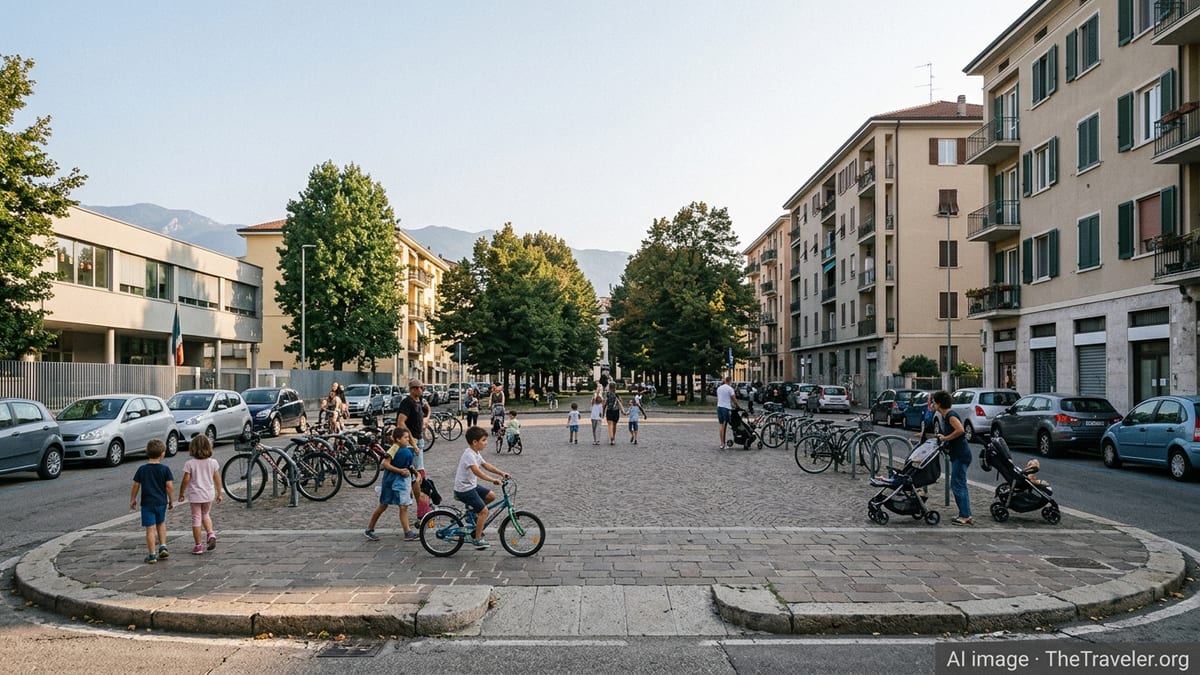
The broader lifestyle context plays a significant role in shaping family life in Italian cities. Quality-of-life surveys often show medium-sized northern towns excelling in amenities geared toward children and families, such as access to parks, sports facilities, and structured municipal services. These cities tend to strike a balance between child well-being and practical daily living.
Traffic congestion is usually less severe in provincial capitals, enabling shorter commute times and safer routes for children to school. The availability of community services supports family-centered lifestyles, making everyday logistics manageable.
However, larger metropolitan hubs, while offering extensive extracurricular options and vibrant international communities, come with the trade-offs of longer commutes and increased exposure to urban stressors. Families may find themselves navigating higher traffic, noise, and air pollution, making housing choices and daily routines more complex.
Medium-Sized Northern Cities: A Family Haven
Recent evaluations indicate that medium-sized cities, particularly in northern Italy, typically provide a balanced environment for families looking for quality education, safety, and simplified living. Places like Trento, Bolzano, and Udine frequently rank high across composite metrics that assess education quality, public services, and safe neighborhoods.
In these towns, public schools are well-resourced, with a high rate of participation in preschool and all-day programs that cater to working parents. Additionally, sports clubs, music schools, and youth organizations often have close ties with local schools, promoting community engagement and opportunities for children.
Exploring Larger Metropolitan Areas
The largest cities in Italy, such as Milan and Rome, present a wealth of schooling options, including numerous international and bilingual institutions. Families can find various curricula, accommodating diverse needs and ensuring continuity for children accustomed to non-Italian educational systems.
However, these urban environments come with complexities. Family safety often feels compromised due to higher crime rates and the practical challenges of navigating daily life in dense city centers. Parents may need to rely on private transport and choose safer neighborhoods, potentially incurring higher housing costs.
Family logistics can become more intricate, with longer commutes, heightened traffic concerns, and the need for constant awareness of security risks. Although the diversity of social and educational opportunities is appealing, it can also demand more vigilance from parents, balancing benefits against urban challenges.
Smaller Provincial Capitals and Southern Comfort
In smaller towns and selected southern cities, families may discover a community-oriented environment characterized by safety and a slower pace of life. Crime rates in these areas often reflect a friendly atmosphere where short school commutes and active neighborhood networks promote family cohesion.
However, options for educational specialization and international curricula may be limited. While class sizes can be manageable and teacher turnover low, parents must evaluate whether their children’s educational needs align with the available public school offerings. Local sports clubs and cultural organizations often play a significant role in childhood development, encouraging outdoor play and social interaction.
Practical Checklist for Family Relocation
As families consider relocation to Italy, applying a structured checklist focusing on schooling, safety, and lifestyle becomes essential:
-
Schooling: Confirm the availability of public or private school placements, check for international or bilingual curricula, and assess school day structures based on your child’s needs.
-
Safety: Review recent crime statistics, scrutinizing the nature of offenses, and supplement this with local knowledge about specific neighborhoods and their safety perceptions.
-
Lifestyle: Evaluate daily routines — can children safely walk or cycle to school? Are there quality parks and sports facilities nearby? Assess the reliability of public transport for school commutes and examine childcare availability for working parents.
- Community Services: Investigate the distribution of schools and family services within the city. Identify areas where educational quality aligns with safety and affordability.
By focusing on these practical aspects and gathering real-world insights, families can navigate Italy’s varied urban landscape effectively, finding environments that best fit their unique needs and preferences.



