

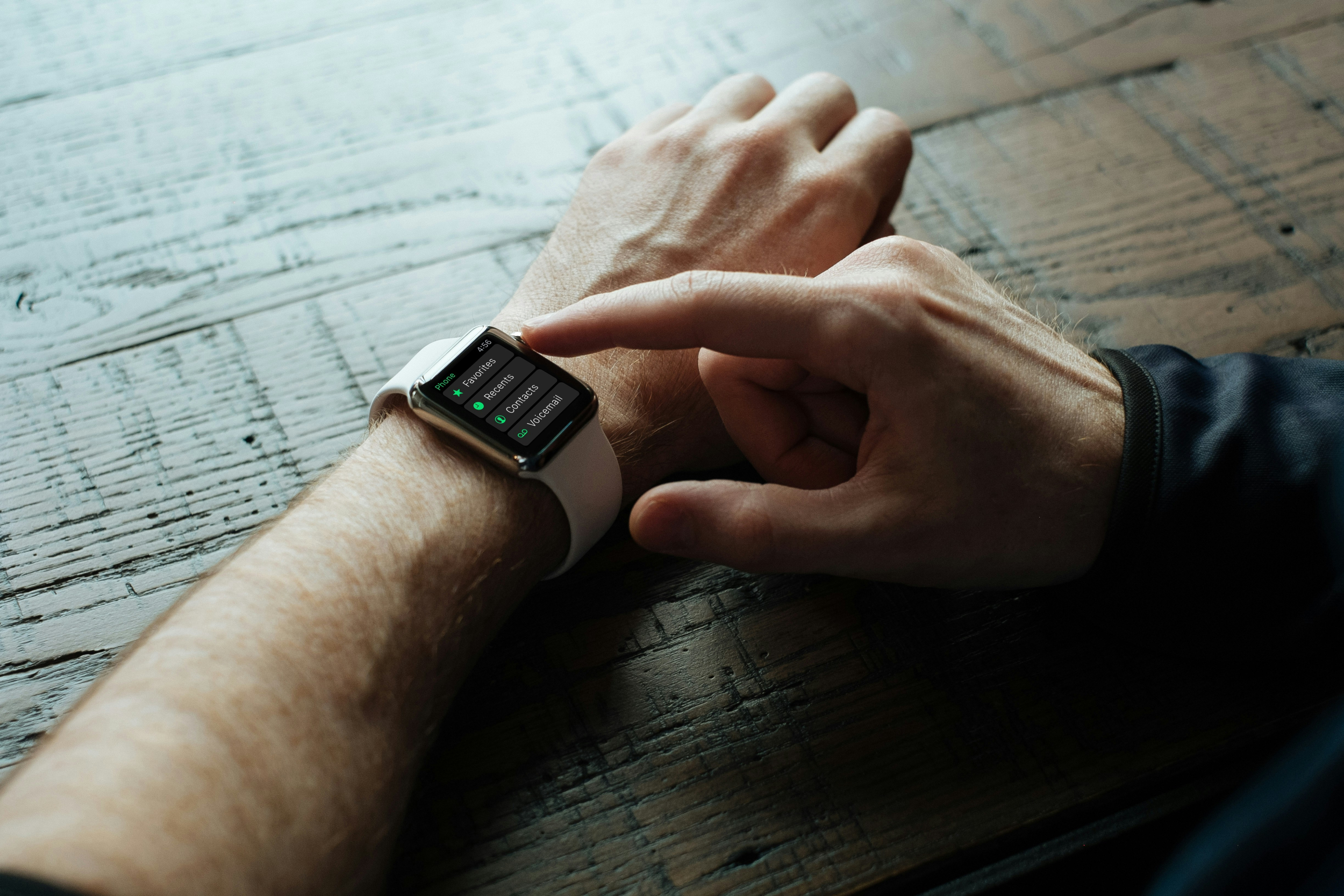
The Rise of Wearable Technology in Health Management
Wearable technology has established itself as a cornerstone of modern personal health management. By 2025, millions of users rely on smart devices to monitor various aspects of their wellbeing, leading to significant advancements in personal health tracking. From sleep cycles to heart rhythms, these gadgets are no longer just fitness aids but essential components of proactive health management.
As technology evolves, companies are pushing the boundaries of wearables. Today’s health devices boast clinical-grade sensors and AI-powered analytics, features once confined to healthcare settings. This wave of innovation empowers users to manage their fitness, detect potential health issues, and stay informed about their physical states. Let’s delve into some of the standout devices, emerging technologies, and considerations that are defining the landscape of health wearables in 2025.
Evaluating the Best Wearable Tech Health Devices of 2025
The wearable health device market has surged, offering sophisticated solutions for tracking everything from heart rates to recovery cycles. Key categories dominating this landscape include fitness trackers, smartwatches, and performance wearables. The best devices of 2025 prioritize comfort, long battery life, and, most importantly, accurate data.
Popular Health Devices
-
Fitbit Charge 6: This reliable midrange option shines with enhanced heart rate sensors, improved sleep scoring, and skin temperature monitoring. It’s noteworthy that a study by the American College of Cardiology found that commercially available wrist-worn photoplethysmography (PPG) devices can vary significantly in heart rate accuracy, especially during exercise. Nonetheless, the Charge 6 remains a strong contender for those interested in comprehensive health tracking.
-
WHOOP 5.0: For serious athletes and wellness enthusiasts, the WHOOP 5.0 is a premium performance tracker that goes beyond traditional displays. It hones in on recovery, strain, and sleep quality with advanced algorithms that analyze cardiovascular load, offering daily recovery recommendations. This device is tailored for those who crave deeper physiological insights.
- Garmin Vivoactive 5: Aimed at sport-oriented users, this device provides precise GPS tracking, body battery scoring, and respiration monitoring. Garmin excels in delivering actionable analytics on performance and recovery, making it a versatile tool for athletes looking to optimize their training regimes.
In 2025, the true value of these health wearables lies in their ability to provide personalized insights designed to enhance your wellbeing rather than just tallying steps.
Health Innovation Gadgets Beyond Fitness Trackers
The world of wearable tech is expanding beyond wrist-based devices to include rings, patches, and smart textiles—offering unique advantages and contemporary monitoring options.
Smart Rings
Smart rings like the Oura Ring and Ultrahuman Ring Air offer unobtrusive tracking, ensuring that even casual users can gain valuable health insights. The Oura Ring, based on research published in JMIR mHealth and uHealth, demonstrated strong agreement with medical-grade actigraphy, validating its effectiveness in measuring sleep metrics.
ECG-Enabled Wearables
Another exciting category is ECG-enabled wearables, which can detect irregular heart rhythms, such as atrial fibrillation (AF), often before symptoms become apparent. A validation study highlighted that a PPG-based algorithm for AF detection yielded 87.8% sensitivity and 97.4% specificity in a real-world setting, demonstrating the potential of wearables to function as early warning systems for chronic conditions.
Emerging features in 2025 also showcase capabilities like on-wrist blood pressure monitoring, stress detection, and hydration tracking. These innovations hint at a future where wearables will play an essential role in comprehensive health monitoring.
Choosing the Right Wearable Tech for Your Health and Fitness Goals
Selecting the right health wearable involves understanding your lifestyle and the specific features that align with your goals. Here are some considerations to guide your decision:
Battery Life
Battery life is a pivotal factor. While smartwatches may require more frequent charging, many trackers and smart rings can last a week or more. If you prefer not to frequently charge your device, consider options with extended battery life.
Comfort and Design
Comfort is key to consistent use. A wearable that you enjoy wearing is likely to gather more accurate data over time. Options vary from stylish rings to lightweight bands—choose a design that fits seamlessly into your daily life.
Ecosystem Compatibility
Your choice may also depend on ecosystem compatibility. For example, Apple users may gravitate toward the Apple Watch for its smooth iOS integration, while Android users might prefer brands like Garmin or Fitbit. Ensure that your preferred health apps are compatible with your chosen device.
Data Insights and App Reliability
Finally, the depth of data insights and the reliability of accompanying apps should significantly influence your decision. Gadgets that offer comprehensive analytics—such as recovery scores, detailed sleep studies, and long-term trend analysis—tend to provide more real value than those with limited features.
Employing a structured fitness tracker review approach helps clarify which features align with your objectives, whether they’re related to improving sleep, enhancing athletic performance, or simply maintaining daily activity levels.
Frequently Asked Questions
1. What features should I prioritize in a health wearable?
Look for essential features like accurate heart rate tracking, sleep analysis, and stress monitoring. Battery life should also fit your schedule, while additional features such as GPS or ECG can provide deeper insights.
2. Are subscription services necessary for full tracking capabilities?
Some devices require subscriptions for detailed analytics. Whether you find it worthwhile depends on how deeply you wish to engage with your health data.
3. How accurate are wearable health devices in 2025?
Most modern wearables are accurate for metrics like heart rate, sleep stages, and activity levels. While they are not substitutes for medical devices, they offer reliable data for everyday health tracking.
4. Can wearables replace traditional health check-ups?
No, while wearables offer powerful tools for early detection and daily insights, they cannot replace professional medical evaluations or accurate diagnoses.
The evolution of wearable technology continues to impact the health and wellness landscape, giving users the power to take charge of their wellbeing through informed decisions and data-driven habits. With advancements that combine personalized insights and user-friendly features, these devices are making personal health management more accessible than ever.



