

Best Tech Gadgets of 2025: Innovations You Need to See
Technology is accelerating at an unprecedented pace, and 2025 marks a remarkable shift in gadget design. This year has birthed a wave of innovative products that challenge traditional boundaries, ushering in solutions that prioritize functionality over mere novelty. From hybrid keyboard-phone cases to power banks that communicate via light, the gadgets in focus not only tackle real frustrations but also offer designs that are refreshingly functional.
1. Plumage: The Keyboard-Case Hybrid That Actually Makes Sense
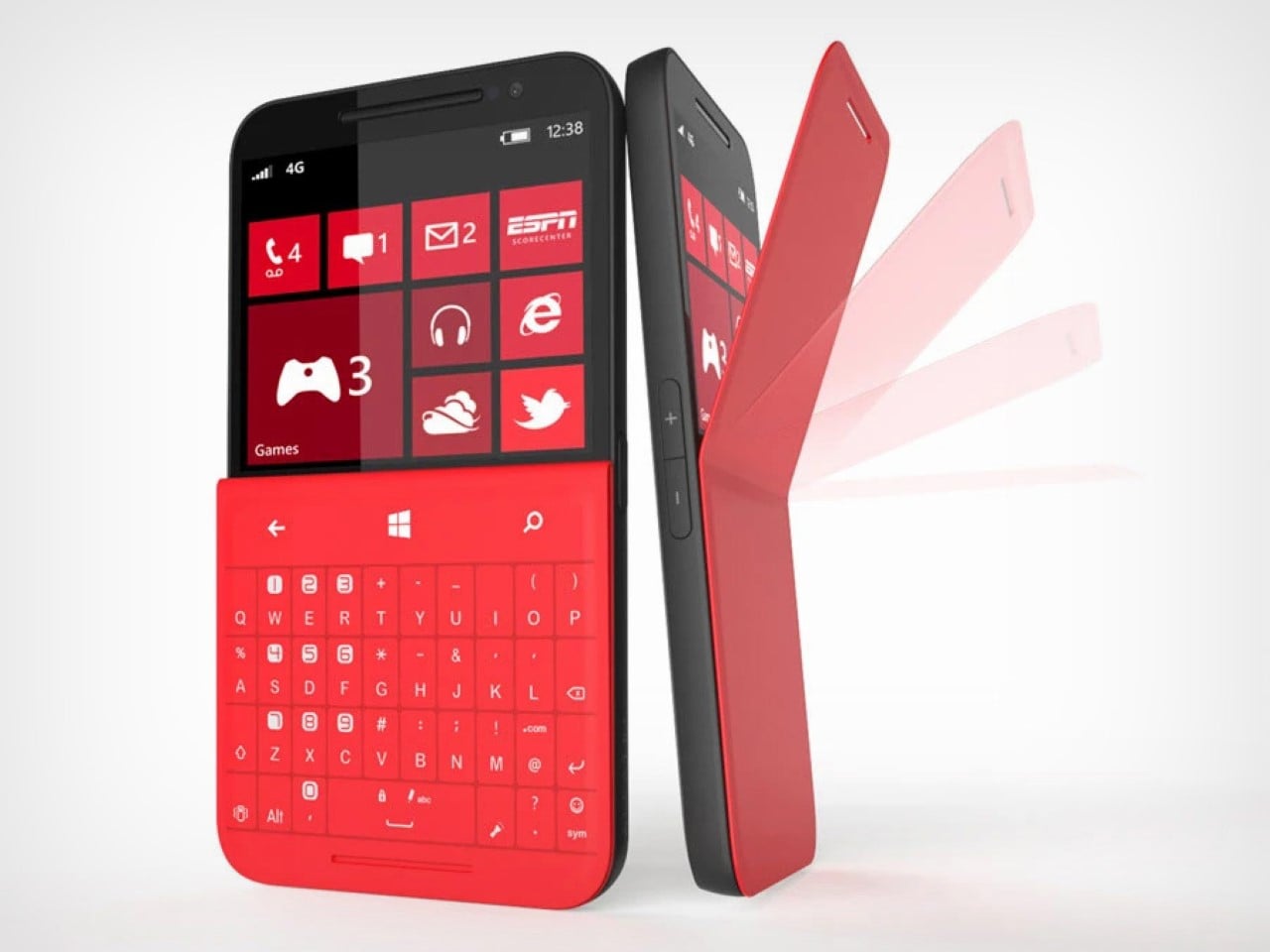
Typing on smartphones has long been a challenge with touchscreen limitations, but Plumage elegantly integrates a physical keyboard into a phone case. This design flips open like a banana peel to unveil a tactile keypad without expanding the phone’s overall footprint. You can type confidently on a familiar Blackberry-style layout while enjoying an unobstructed top screen for navigation. This concept flips the narrative around smartphone design by recognizing that screens don’t need to dominate every inch of our devices.
What We Like
- Seamless integration of a keyboard without bulk.
- Rapid and accurate typing capabilities.
What We Dislike
- The half-screen design requires an adjustment in user expectations.
- Concerns about durability may arise with repeated flipping.
2. MSI Gaming PC Watch: When Wearables Go Full Desktop
The MSI Gaming PC Watch is an innovative take on wearables, treating your wrist as a platform for an actual desktop computer. Unlike traditional smartwatches, this concept displays visible computer components and features an intuitive interface with analog watch hands and navigation buttons. This design reimagines the purpose of wearables, showcasing genuine computing power in a portable form, making technology itself the star of the show.
What We Like
- A transparent design that highlights the inner workings.
- Moves beyond smartphone mimicry in wearables.
What We Dislike
- The gaming aesthetic may not fit all contexts.
- Visible components may raise concerns over durability.
3. Nothing Power 1: The Battery Bank That Speaks Through Light
Say goodbye to boring power banks with the Nothing Power 1, which revives the famous glyph interface. Its transparent design showcases a 20,000 mAh battery with an innovative light communication system that indicates everything from battery levels to smartphone notifications. Fast charging capabilities make waiting for your device less tedious and visually engaging, turning a mundane task into an informative experience.
What We Like
- The glyph interface provides intuitive, light-based communication.
- High capacity and fast charging feature ensure practical usability.
What We Dislike
- The transparency may lead to visible dirt and fingerprints.
- Unique aesthetics might not appeal to minimalistic users.
4. Oakley Aether: The AR Glasses Google Should Have Built
Envisioning an alternate reality where Google continues to develop smart eyewear, the Oakley Aether combines advanced visual technology with a ski-goggle aesthetic. Featuring augmented reality capabilities and Gemini AI, these goggles provide a heads-up display of contextual information. The design allows for full environmental protection while enabling interaction with digital elements, effectively merging high-tech functionality with sporty flair.
What We Like
- Superior sensor integration in a goggle format.
- Natural voice interaction facilitated by Gemini AI.
What We Dislike
- The sporty design may deter urban aesthetics.
- Encapsulation could be uncomfortable for long wear.
5. TWS ChatGPT Earbuds: AI That Sees What You See
These innovative earbuds add a compelling twist to the conventional audio experience. With built-in cameras that align with your natural eyesight, the TWS ChatGPT Earbuds enable real-time data analysis through ChatGPT. Users can navigate, read signs, and receive contextual information without needing to pull out their phones. This thoughtful placement allows for social interaction without disrupting the flow of conversation.
What We Like
- Less intrusive than face-mounted cameras.
- Provides practical AI assistance for daily tasks.
What We Dislike
- Privacy concerns may arise with integrated cameras.
- Battery life may diminish with dual functionalities.
6. Gboard Dial: When Keyboard Design Gets Delightfully Absurd
The delightful Gboard Dial Version questions conventional input methods. With a unique dial mechanism that allows users to insert fingers into keyholes, it raises interesting discussions about efficiency in typing. Although impractical for everyday work, it captivates with its charm and tactile feedback, reminding us of the joy derived from physical interaction.
What We Like
- Challenges traditional assumptions about keyboard efficiency.
- Provides tactile satisfaction that enhances the user experience.
What We Dislike
- Impractical for actual productivity tasks.
- The dial mechanism may not withstand heavy usage.
7. NightWatch: The Apple Watch Dock That Does Everything Right
Transforming charging into a functional piece of décor, NightWatch serves as a stylish bedside dock for your Apple Watch. This magnifying orb ensures easy visibility of the watch display while amplifying alarm sounds through its clever design. It’s simplicity personified, enhancing the utility of your smartwatch with thoughtful application of physics.
What We Like
- Makes the time easily readable from a distance.
- Natural amplification enhances alarm reliability.
What We Dislike
- Space-consuming design may not fit all nightstands.
- Exclusivity to Apple Watch limits broader appeal.
8. Pironman 5-MAX: Turning Raspberry Pi Into a Desktop Powerhouse
The Pironman 5-MAX transforms the humble Raspberry Pi 5 into a potential desktop titan. Supporting dual NVMe SSDs for substantial storage and AI acceleration, this case redefines what single-board computers can achieve. It allows for professional-level tasks while emphasizing a compact form factor.
What We Like
- Dual SSD slots enable rapid storage solutions.
- Integration of AI accelerators opens new possibilities in computing.
What We Dislike
- Increased cost due to additional hardware.
- Compact design may limit cooling in high-demand situations.
9. Vetra Orbit One: Minimalism Meets Tactile Smart Technology
Vetra Orbit One shifts attention away from oversized screens toward rich tactile experiences through a minimalist design. It integrates traditional watchmaking charm with smart capabilities, offering a rotating bezel for intuitive navigation. This concept pushes the boundaries of what a smartwatch can be, focusing on elegance and simplicity.
What We Like
- Satisfying physical interaction with a streamlined aesthetic.
- Elegant and unobtrusive design.
What We Dislike
- Limited functionality due to a smaller screen.
- Certain interactions may be slower with tactile controls.
10. OrigamiSwift: The Folding Mouse That Fits Anywhere
Inspired by origami, the OrigamiSwift Bluetooth mouse presents an innovative solution for portability. This folding design allows it to transform into a full-sized ergonomic mouse while remaining pocket-friendly. Combining striking aesthetics with practical design, it positions itself as a must-have for digital nomads.
What We Like
- Collapses to pocket-size while providing genuine comfort.
- Long battery life that supports extended use.
What We Dislike
- The folding mechanism introduces potential wear issues.
- The design may not appeal to users preferring traditional mouse shapes.
The presented gadgets exemplify thoughtful design by questioning the status quo of technology. They emphasize the importance of addressing real-world frustrations through functional innovation, setting the stage for how we engage with tech in the years to come.



