

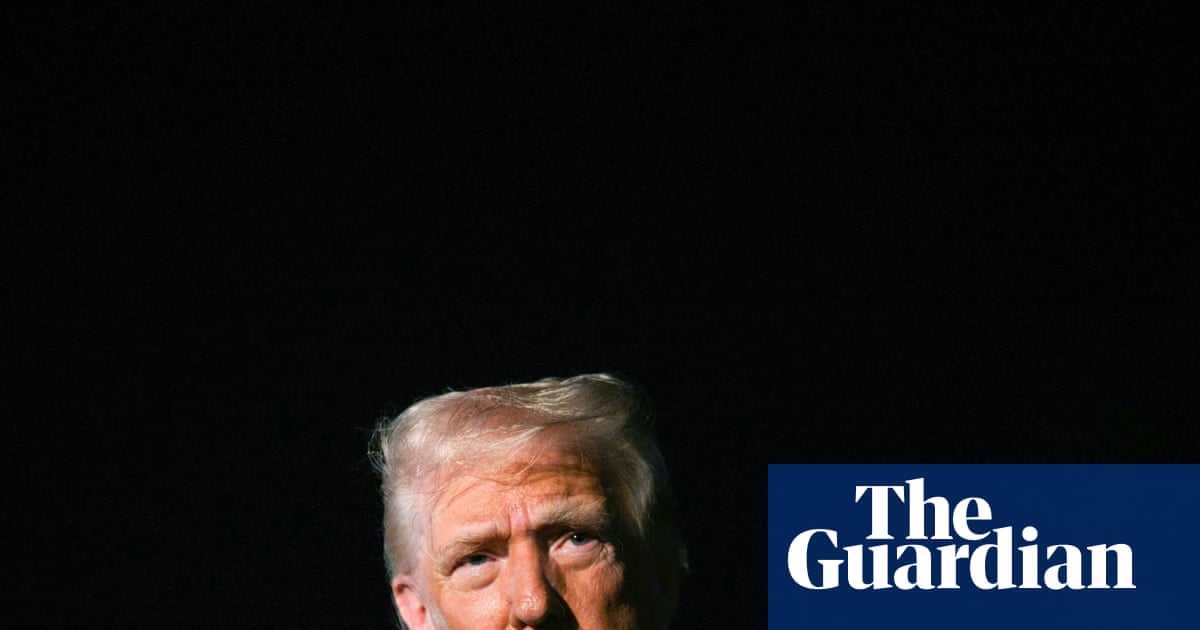
The Epstein Files: A Political Firestorm
In a recent clash of political wills, Republican Congressman Thomas Massie has publicly challenged former President Donald Trump regarding his intentions surrounding the files related to the late Jeffrey Epstein, a notorious sex offender. Massie’s comments indicate deepening skepticism within the Republican ranks about Trump’s motives, particularly as calls for transparency regarding Epstein’s extensive connections grow louder.
The Bipartisan Push for Disclosure
Massie, along with Democratic Congressman Ro Khanna, is spearheading a bipartisan initiative advocating for the complete release of government-held files pertaining to Epstein. Their efforts come amid concerns that Trump’s recent actions—specifically his order for Attorney General Pam Bondi to investigate Democratic ties to Epstein—serve as a diversion from the pressing need for transparency. During an appearance on ABC’s This Week, Massie expressed his apprehensions. He noted that Trump’s long-standing dismissal of inquiries into Epstein as a “hoax” contrasts sharply with his sudden interest in scrutinizing political opponents, suggesting that these investigations could potentially stifle the release of pertinent documents.
A Clarion Call for Transparency
Massie’s skepticism isn’t an isolated sentiment. Figures like Georgia Republican Marjorie Taylor Greene, known for her fierce support of Trump, have also called for the release of all Epstein documents. Greene’s remarks came despite apparent friction between her and the former president, highlighting a rift growing within the party regarding how best to handle the Epstein saga. Greene openly rebuked Trump’s recent criticisms, labeling them as "hurtful" and expressing hope for reconciliation despite their differences.
Trump’s Reaction and Its Implications
Trump’s administration has consistently downplayed inquiries into Epstein, branding them as politically motivated. Yet, Massie’s perspective suggests a more complex underlying strategy. By launching investigations into Epstein’s connections to Democrats, Trump may be attempting to create an aura of activity while simultaneously sabotaging efforts to unveil the truth about his own connections. Massie hinted at a possible “smokescreen,” arguing that ongoing investigations could be strategically employed to withhold information from the public.
The Fallout from Internal Conflict
The tension isn’t just isolated to Massie’s critiques. Greene’s public rebuke and Trump’s subsequent withdrawal of support signal a fracturing within the party. Greene’s relationship with Trump has been a cornerstone of her political identity, and her call for the release of Epstein documents showcases her willingness to prioritize transparency over loyalty to Trump. This development underscores an evolving dynamic as party members weigh their own political futures against the backdrop of a former president whose tactics may not align with their goals.
Wider Legislative Concerns and Repercussions
While the Epstein files remain a focal point of contention, the implications of this political narrative extend beyond individual party members. The pursuit of transparency raises significant questions about accountability, governance, and the ethical responsibilities of those in power. As Massie and Khanna continue to advocate for the release of these documents, their efforts highlight a growing recognition that the public deserves access to information that could illuminate the dark corners of political connections and influence.
Conclusion’s Absence: A Political Landscape in Flux
As the conversation around Epstein and his connections continues to unfold, lawmakers on both sides of the aisle are grappling with the repercussions of their stance. The challenges posed by internal party dynamics, public scrutiny, and the pressing call for transparency create a complex tapestry in the ongoing political discourse. Throughout this unfolding narrative, it becomes evident that the push for accountability surrounding Epstein’s files is more than just a political maneuver; it is a litmus test for integrity and transparency in contemporary politics.