

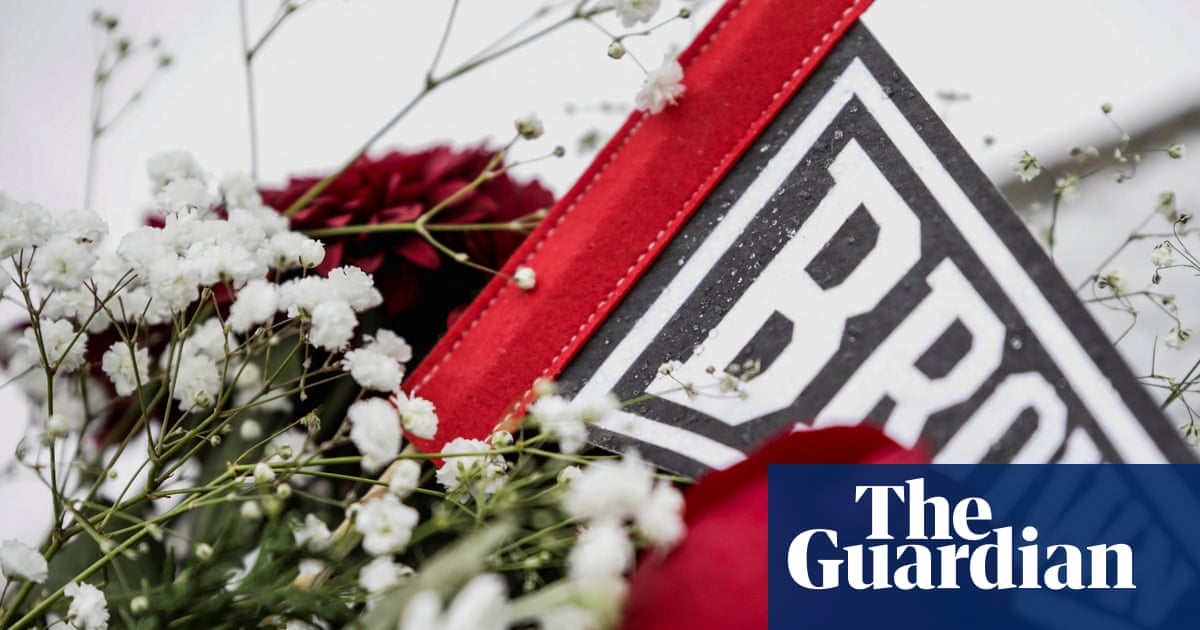
Tragedy at Brown University: A National Conversation of Grief and Gun Control
On Sunday, President Donald Trump took a moment during a holiday reception at the White House to express his condolences following a tragic shooting at Brown University, where two individuals lost their lives and nine others sustained injuries. “Before we begin, I want to just pay my respects to the people, unfortunately, two are no longer with us,” Trump stated before continuing to highlight the prestigious institution itself. “Brown University, great school, really one of the greatest schools anywhere in the world. Things can happen.”
This somber acknowledgment from Trump was not merely a gesture; it underscored the deepening crisis of gun violence in America. The incident at Brown marked the 389th mass shooting in the United States this year, as tallied by the Gun Violence Archive. Such staggering numbers stoke ongoing debates about gun control and public safety, revealing a societal fissure struggling to find cohesive solutions.
A Community Struggling to Heal
Senator Chris Murphy, a Democrat representing Connecticut, drew poignant parallels between this event and the heartbreaking Sandy Hook shooting in 2012, where 26 lives were brutally cut short. Referring to the lasting impact of such tragedies, Murphy remarked, “What I know is that a community never, ever recovers from a shooting like this.” His comments resonate with countless communities that have experienced similar horrors, emphasizing that the repercussions extend far beyond the immediate victims and their families.
The Investigation and a Grasp for Answers
In the wake of the shooting, local law enforcement quickly responded. Providence Police Chief Oscar Perez announced that a person of interest had been detained. This individual, in their 20s, remains under investigation, although details regarding any connection to Brown University have yet to be disclosed. As the community grapples with shock and grief, the pressing questions regarding motives and broader implications of gun violence continue to linger.
The Broader Debate on Gun Control
The violence at Brown has reignited discussions about gun regulation in a country that has repeatedly faced similar scenarios. Advocates for stronger gun laws argue that without significant change, such tragedies will persist. Those in opposition often cite Second Amendment rights, complicating any potential consensus on solutions. As public sentiment begins to shift in response to a seemingly unending cycle of violence, the focus now turns to whether lawmakers will prioritize gun safety measures or remain entrenched in political division.
Reflections from Home
While this incident has garnered national media attention, it also serves as a stark reminder of the everyday realities facing countless Americans. The tensions around gun violence have infiltrated homes and neighborhoods, instilling a sense of vulnerability as families ponder their safety. The desire for change is palpable, as many citizens are calling for dialogue that transcends partisan barriers to foster a safer environment for future generations.
Handling the Impact of Political Violence
As the nation navigates the fallout from this latest tragedy, figures like Joe Manchin, a former Senator, are urging political leaders to adopt a more measured approach to discourse. He expressed concerns about the pervasive “attack mode” amid rising political violence, suggesting that such an environment exacerbates tensions surrounding topics like gun control. The commentary signifies a hunger within the political landscape for a recalibration of how dialogues are conducted—particularly around entrenched issues like gun violence and public safety.
Facing Systemic Challenges
Beyond the issue of gun violence itself, systemic challenges such as immigration policy and its impact on families are also coming into focus as these discussions unfold. Recent accounts reveal the harsh realities faced by families caught in federal immigration enforcement, where children are thrust into adult responsibilities when parents are detained. This compounding of issues further illustrates the vulnerability experienced by many American families in a climate rife with uncertainty.
What’s Next for Communities Affected by Gun Violence
As news outlets continue to cover these distressing events, the question remains: how do communities heal? The path to recovery is often long and complex, requiring both immediate support for victims and their families and long-term changes in policy to prevent future tragedies. The outpouring of grief and calls for reform speak to a collective desire for a brighter, safer future, but achieving this will necessitate a concerted effort from all sectors of society.
Engaging in Meaningful Conversations
The tragedy at Brown University serves as a catalyst for renewed dialogue about gun violence in the United States. The combination of political, societal, and personal reactions to such shootings underscores the urgent need for a comprehensive strategy that prioritizes safety and reconciliation. As the nation continues to reflect on these issues, the hope is that genuine conversations can lead to actionable change, fostering a future where such tragedies become relics of the past.