

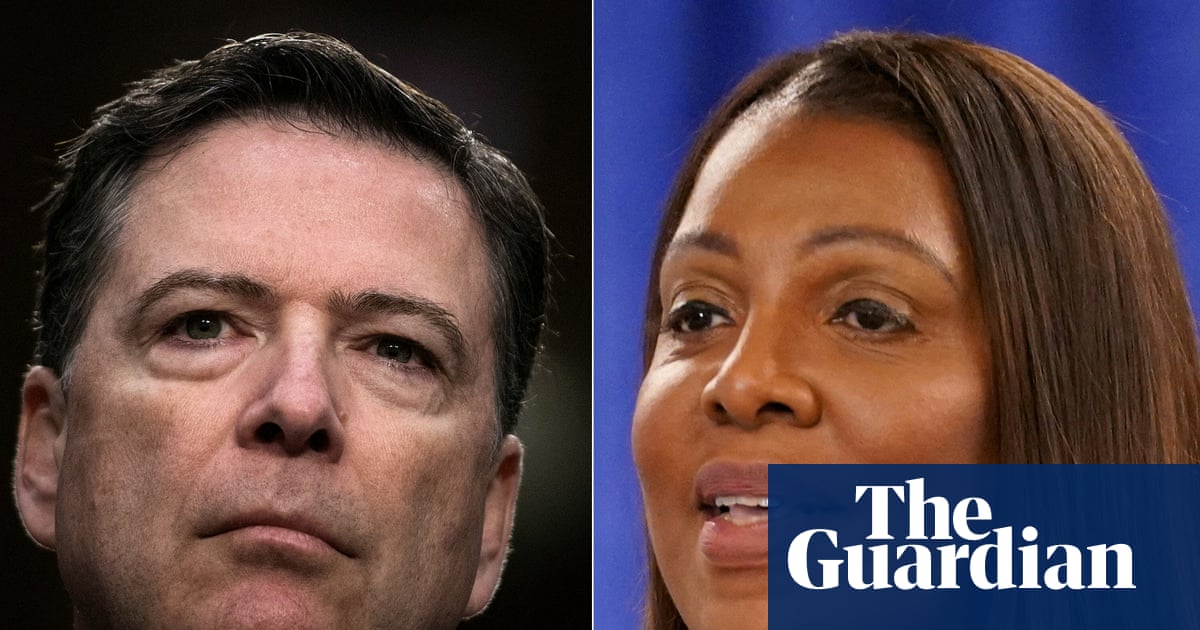
A Landmark Decision: The Dismissal of Charges Against James Comey and Letitia James
In a decisive ruling that has sent ripples through the legal and political arenas, a federal judge recently threw out criminal cases against former FBI Director James Comey and New York Attorney General Letitia James. This noteworthy decision comes on the heels of allegations that the prosecutor assigned to the case was improperly appointed, sparking discussions around executive power and judicial authority.
Background of the Cases
The cases against Comey and James were largely viewed as politically motivated. Comey faced charges of lying to Congress about the investigation into Russian interference during the 2016 presidential election, while James was accused of mortgage fraud. Both officials have consistently maintained their innocence and argued that the charges were part of a broader strategy by the Trump administration to retaliate against those who opposed its policies.
The Judgment
Judge Cameron McGowan Currie ruled that Lindsey Halligan, appointed by former President Trump as the interim U.S. attorney for the Eastern District of Virginia, lacked the lawful authority to present the indictment. In a powerful statement, Currie emphasized that “all actions flowing from Ms. Halligan’s defective appointment” were “unlawful exercises of executive power and must be set aside.” This serves as a reminder of the checks and balances inherent in the U.S. legal system, especially concerning the actions of political appointees.
Currie dismissed both charges “without prejudice,” indicating that while the cases could potentially be reopened, the government must do so through a legitimately appointed U.S. attorney. This raises questions about the practicality of reintroducing these charges, particularly in Comey’s case, as the statute of limitations on the allegations he faced is set to expire soon.
Responses from the Involved Parties
The reaction to this ruling has been one of relief and vindication for both Comey and James. In a statement, James expressed her gratitude, stating, “I remain fearless in the face of these baseless charges as I continue fighting for New Yorkers every single day.” Her comments highlight her ongoing commitment to her role as a public servant, emphasizing that she will not be deterred by what she characterizes as politically charged accusations.
Comey also weighed in on the decision with a tone of gratitude. In a recorded message, he noted that the ruling not only serves as a personal victory but also sends a broader message about the misuse of power. He stated, “This case mattered to me personally, obviously, but it matters most because a message has to be sent that the president of the United States cannot use the Department of Justice to target his political enemies.” Comey’s remarks underscore the importance of integrity within the legal system, particularly against the backdrop of political interference.
Implications of the Decision
This ruling raises substantive questions regarding the politicization of the judiciary and the implications for future cases involving high-profile individuals. With the dismissal of charges based on the legality of the appointment, the issue of who is empowered to prosecute remains in focus. Legal experts are now scrutinizing the implications this ruling may have on similar cases and the authority of interim appointees.
Moreover, the decision reflects a level of judicial oversight that might serve as a deterrent against future executive overreach. It suggests that judges remain steadfast in their role as guardians of lawful procedures, regardless of the political climate.
Looking Forward
While both Comey and James have emerged from this situation with their names cleared for the moment, the broader implications of the ruling will likely reverberate in the political landscape. The government retains the option to revisit the charges against them, but whether this will occur under legitimate circumstances remains uncertain.
As the story continues to unfold, discussions about the appointment process for U.S. attorneys and the checks on executive power are sure to take center stage, prompting a deeper analysis of the intersection of law and politics in America. With the legality of prosecutions now under scrutiny, the focus will remain on ensuring that the integrity of the justice system prevails in the face of political challenges.



