

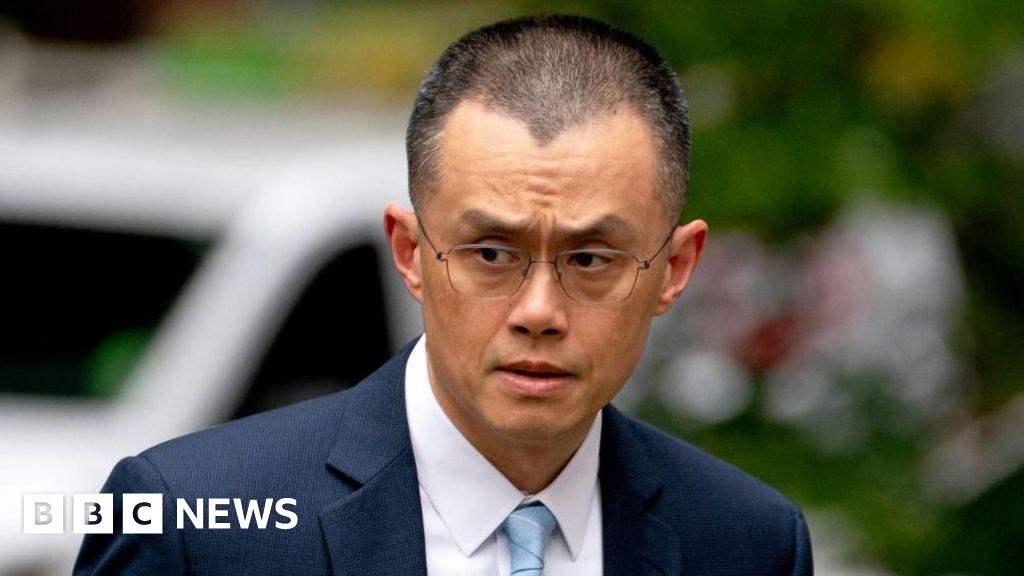
Trump Pardons Zhao: An Unlikely Turn in Cryptocurrency Politics
In a surprising twist during a recent interview with CBS News’ 60 Minutes, former U.S. President Donald Trump claimed he does not know who cryptocurrency mogul Changpeng Zhao, also known as "CZ," is. This statement is particularly striking given that just last month, Trump issued a pardon to Zhao, who had previously pleaded guilty to charges related to money laundering.
Changpeng Zhao and His Legal Troubles
Changpeng Zhao, the co-founder of the renowned cryptocurrency exchange Binance, found himself in legal hot water in 2023. He was charged with enabling money laundering, leading him to serve four months in prison. Following his release, Zhao stepped down as CEO, marking a significant shift in his leadership role within the crypto giant. Despite the seriousness of his charges, Zhao’s connections within the political realm, particularly to Trump, have sparked discussions about the intersection of politics and cryptocurrency.
The 60 Minutes Interview
During the aforementioned 60 Minutes segment, host Norah O’Donnell queried Trump regarding the rationale behind the pardon. U.S. government prosecutors had previously claimed that Zhao’s actions caused "significant harm to U.S. national security." However, Trump’s confounding response was, “I don’t know who he is.” He insisted that he had no recollection of ever meeting Zhao and attributed his pardon to the belief that Zhao was a victim of what Trump termed a "witch hunt" instigated by President Joe Biden’s administration.
Trump’s Cryptocurrency Stance
As the discussion flowed, Trump also reiterated his advocacy for cryptocurrencies. He emphasized the need for the United States to spearhead the cryptocurrency domain, warning that failing to do so could result in nations like China gaining a competitive edge in this vital technology sector. This standpoint aligns with a broader narrative that positions cryptocurrencies as not merely financial instruments but as pivotal elements in global economic strategy.
Implications of the Pardon
The pardon restores Zhao’s ability to engage in financial ventures, a move that raises questions about its implications on regulatory relationships in the U.S. cryptocurrency framework. While it clears Zhao from certain legal impediments, the impact on his ongoing role at Binance remains unclear, particularly given the regulatory scrutiny that crypto exchanges face.
In the wake of his pardon, White House Press Secretary Karoline Leavitt characterized Zhao’s prosecution under the Biden administration as indicative of a "war on cryptocurrency." She claimed that the case was "overly prosecuted" and reiterated that Trump was exercising his constitutional authority in light of perceived injustices.
Connections to the Trump Organization
Interestingly, Zhao’s ventures have intersected with entities linked to Trump. His companies have collaborated with firms associated with the former president, notably Dominari Holdings, which operates out of Trump Tower. This synergy raises eyebrows and invites speculation about the motivations behind the pardon, especially among those who critique the potential blurred lines between politics and personal financial interests.
Historical Context of Trump’s Pardons in Cryptocurrency
Trump’s pardon of Zhao is not an isolated incident within the cryptocurrency sector. Previously, he has granted clemency to other prominent figures in the industry, including founders from the crypto exchange BitMEX and Ross Ulbricht, the creator of the notorious Silk Road. These similar actions reflect a broader narrative where cryptocurrencies have not only become vehicles for investment but also touchpoints for significant political maneuvering.
Market Position of Binance
Despite the controversies surrounding its leadership, Binance remains the world’s most utilized cryptocurrency exchange for trading digital assets. This prominence underscores the ongoing intrigue and volatility within the cryptocurrency market, especially as it navigates the challenges posed by regulatory frameworks and public perception.
As conversations continue about cryptocurrency’s future and its role in global economics, the interplay of legal decisions, political affiliations, and market dynamics will undoubtedly remain at the forefront of this evolving narrative. The implications of Trump’s actions could reverberate throughout the industry, signaling a potentially transformative period for U.S. cryptocurrency policy.



