

Drawdown of Immigration Enforcement Officers: Implications and Reactions
Overview of Immigration Enforcement Changes
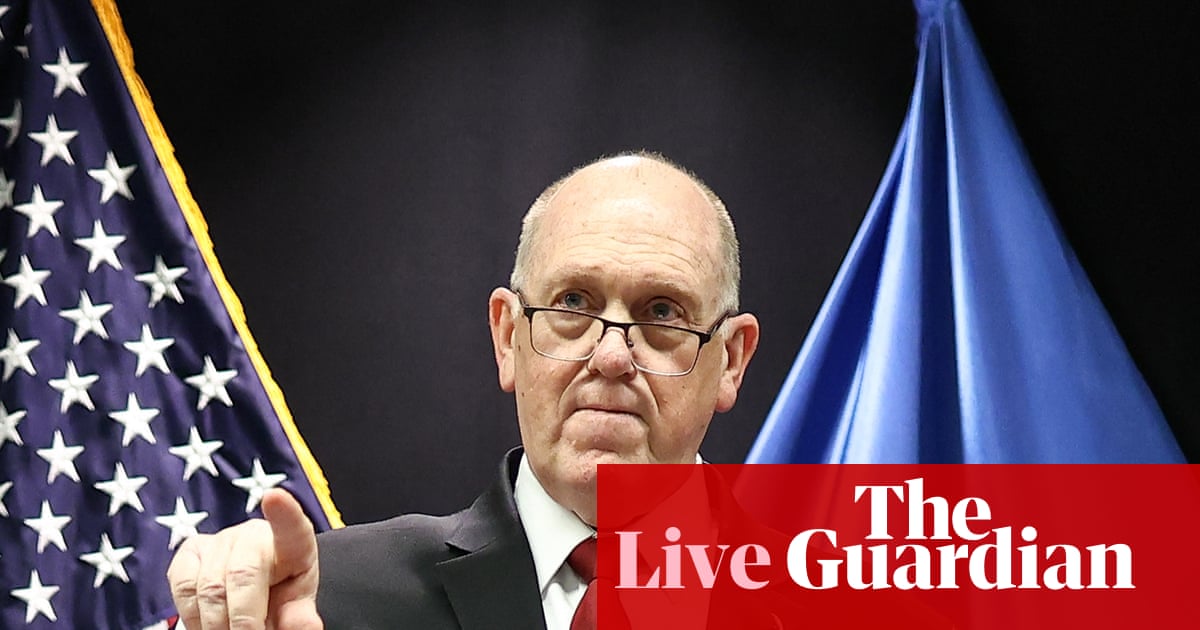
In a recent announcement, Tom Homan, the Trump administration’s "border czar," revealed that the administration will withdraw 700 immigration enforcement officers in Minnesota. Homan attributed this decision to enhanced coordination efforts between local county jails and federal immigration officials. This move aims to allow more resources to be focused on apprehending criminal aliens rather than operational enforcement on the streets.
The Rationale Behind the Drawdown
Homan articulated that streamlining federal resources will enable more targeted enforcement from jails. He stated, “This frees up more officers to arrest or remove criminal aliens. More officers taking custody of criminal aliens directly from the jails means fewer officers are on the street doing criminal operations.” This approach appears focused on increasing operational efficiency amidst public scrutiny regarding immigration enforcement practices.
Concerns from Local Officials and Immigrant Rights Advocates
There has been significant concern surrounding this announcement, especially from local sheriffs and immigrant advocacy groups. Not all sheriffs in Minnesota are cooperating with ICE, and many have chosen not to work with them at all. For instance, Hennepin County, where the city of Minneapolis is located, does not inform federal authorities when undocumented immigrants are booked and is restricted under state law from holding individuals for immigration purposes beyond their release time. This has resulted in ongoing tension between state and federal officials.
Despite Homan’s assurance that he wouldn’t require jails to hold undocumented immigrants post-release, many fear this policy could still deepen mistrust within immigrant communities towards law enforcement. Legal experts argue this collaboration can deter immigrants from reporting crimes, further complicating community safety.
Current State of Immigration Officers in Minnesota
Homan noted that, post-drawdown, approximately 2,000 immigration officers will remain in Minnesota. He elaborated that, prior to this operation, the number of officers was only between 100 and 150. This increase in numbers will likely generate questions on the effectiveness and rationale behind the federal presence in local communities, especially since many local law enforcement agencies have shown reluctance to engage with ICE.
Local Community Responses
Local leaders, including Governor Tim Walz, have voiced their perspectives amid these developments. Walz expressed a need for greater accountability and a reflection on current immigration practices, suggesting it is essential for local communities to maintain trust between residents and law enforcement. The ongoing discourse around these cutbacks reflects broader sentiments regarding immigration policy in America, particularly how it affects local governance and community relations.
Safety and Public Perception
While Homan emphasized the need to prioritize public safety, critics argue that this approach does not adequately address the complexities of community safety. A system perceived as punitive towards immigrants may exacerbate fear and distrust, leading to a cycle of social disintegration. Activists argue that alienating communities will not solve systemic issues but will instead foster further divides.
The Bigger Picture: National Policy Impact
This reduction in immigration officers is seen as a shift in the broader national immigration policy that has sparked diverse reactions across political lines. While some view it as a step towards a more humane approach to immigration enforcement, others see it as a betrayal of promises made during previous administrations focused on strict immigration control.
The Role of Communities Going Forward
As new policies unfold, the engagement between communities and federal authorities will be critical. The dialogue among immigration officials, local law enforcement, and community advocates will shape the practical outcomes of such policy changes. Educational campaigns to inform immigrants about their rights may also be integral to addressing public safety concerns while ensuring vulnerable populations feel secure in their communities.
Next Steps in Immigration Policy Discussion
As both local and federal authorities respond to the shifting landscape of immigration enforcement, the implications of these announcements will play out through community reactions and evolving legal challenges. The state of immigration law and local cooperation will likely continue to be a contentious topic, reflecting broader national divides on immigration policy and enforcement strategies.



