

A New Christian Left: The Rise of Clergy in Democratic Politics
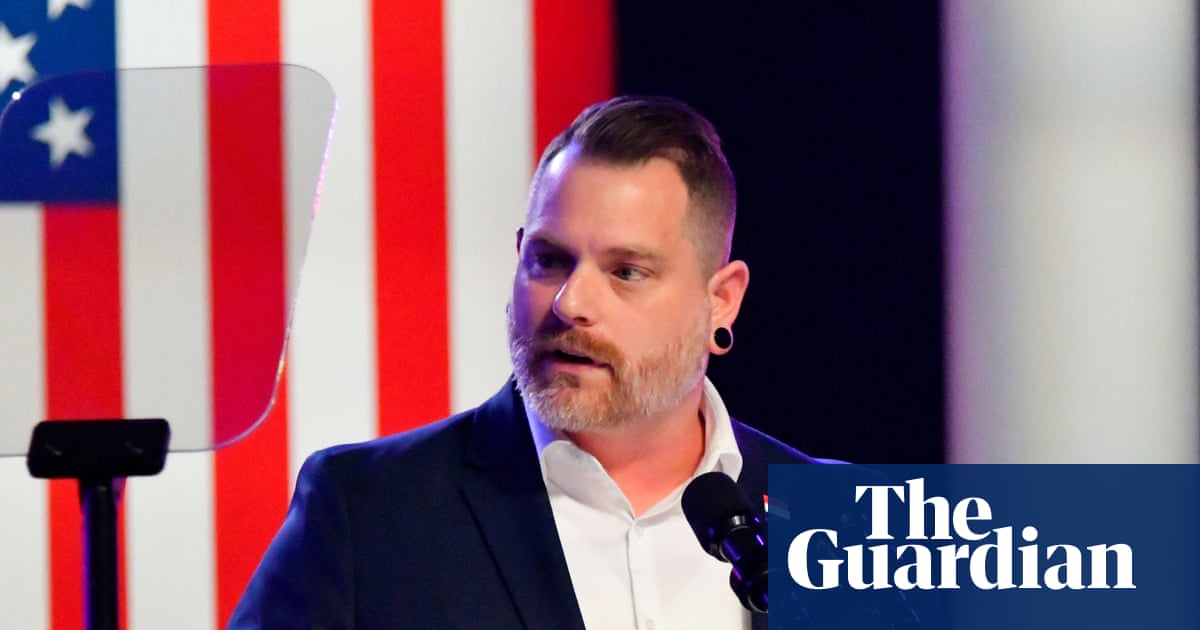
He grew up on a farm in Indiana, the son of a factory worker and eldest of five children. He studied at Liberty University, a Christian institution founded by the controversial pastor and televangelist Jerry Falwell. In a striking contrast to his past, Justin Douglas now finds himself vying for a seat in the U.S. Congress as a Democrat. His journey is emblematic of a burgeoning movement: a coalition of Christian clergy embracing Democratic politics, diverging significantly from traditional partisan lines.
Breaking the Mold
Justin Douglas is not alone in this political shift. He is one of around 30 Christian white clergy members—including pastors and seminary students—who are engaging in politics as Democrats ahead of next year’s midterm elections. This trend signals a notable departure from the historical alignment of white clergy with the Republican Party, a connection primarily rooted in the evangelical movement and conservative values. Douglas and his peers are clear about their motivation: they believe their faith calls them to take a stand in the political arena, even as they advocate for the separation of church and state in principle.
A Changing Landscape
The collaborative efforts of these clergy illustrate a broader shift in the political landscape. Unlike their Black counterparts, who have commonly leaned Democratic, white clergy have largely sided with Republicans, reflecting the enduring power of the religious right among evangelical voters. Douglas, at 41 and based in Harrisburg, Pennsylvania, represents a fresh perspective within the “Christian left,” aiming to broaden the Democratic Appeal beyond the educated urban elite to include white working-class churchgoers.
“We’ve seen Democrats time and time again sell out working-class people,” Douglas states. His hope is to foster a political identity that encompasses faith as a core element of community life, countering the narrative that ties Democrats only to liberal elitism.
Reclaiming Faith in Politics
Douglas’s perspective is steeped in his personal experiences, shaped by years in ministry. He openly criticizes the Republican portrayal of faith as monolithic and unassailable. “The stereotypes of Republicans being pro-faith are bullshit too,” he asserts. Douglas indicates that many evangelical voters are being manipulated by current political rhetoric that misuses religious sentiments for secular agendas.
The realignment of religious identities and political affiliations is rooted in historical shifts that began in the late 20th century. As the Democratic Party embraced civil rights, feminism, and secularism, many conservative white Christians felt alienated, leading to a significant shift towards the Republican Party. This transition accelerated in response to events like the removal of tax-exempt status from racially discriminatory schools and the framing of abortion as a catalyst for moral decline.
The Consequences of Prioritizing Political Identity
The victory of Ronald Reagan in the 1980s firmly established white evangelicals as staunch Republican supporters, a trend that continues today, even as Black churchgoers remain loyal Democrats. This political transformation highlights a growing divide. While Black clergy often leverage their historical and communal ties to advocate for Democratic policies, white clergy like Douglas are now entering the fray with different motivations.
Notably, the rise of figures like Donald Trump has prompted a reevaluation among white clergy, as many feel the need to counter what they view as a manipulative and destructive brand of Christian nationalism. Pastors like Doug Pagitt, of the group Vote Common Good, emphasize the importance of reclaiming faith for political activism, believing it can bridge the divide created by partisan identity.
A Call to Action
The burgeoning movement among white clergy to run for office is both a response to the current political climate and a desire for change. Douglas is attempting to unseat Republican Scott Perry in Pennsylvania’s 10th district; his past experiences have shaped a resolute commitment to inclusivity. Previously, as a pastor advocating for the LGBTQ+ community, he lost his congregational license but remained steadfast in his belief that everyone deserves respect and dignity.
His story is echoed by others, such as James Talarico in Texas, who uses scripture to champion the rights of the vulnerable while challenging the Republican drift toward nationalistic tendencies. Simultaneously, Sarah Trone Garriott in Iowa and Robb Ryerse in Arkansas are also stepping into the political spotlight, showcasing a diverse range of voices united by a shared identity of faith.
The Collective Shift
Robb Ryerse, a former Republican turned Democratic candidate, summarizes the sentiment felt by many: “I joke sometimes that the two people who have changed my life… are Jesus and Donald Trump, for very different reasons.” His candidacy highlights a nuanced understanding of how evangelical leaders have utilized political power, co-opting Christian narratives to serve their interests. This realization motivates a collective push for participation in politics, aiming to correct the narrative and steer the country towards a more inclusive governance that aligns with Christian values of love and compassion.
Thus, the rise of white clergy in Democratic politics reflects a moment of potential transformation. It signifies a commitment to restore faith-driven conversations in public discourse and challenge the entrenched stereotypes that have long governed political allegiances. By running for office, these individuals not only seek to shift the political landscape but also aspire to represent a more just and equitable society grounded in their values.



