

The Year of Political Comeback: Donald Trump’s Bold Moves and Controversies
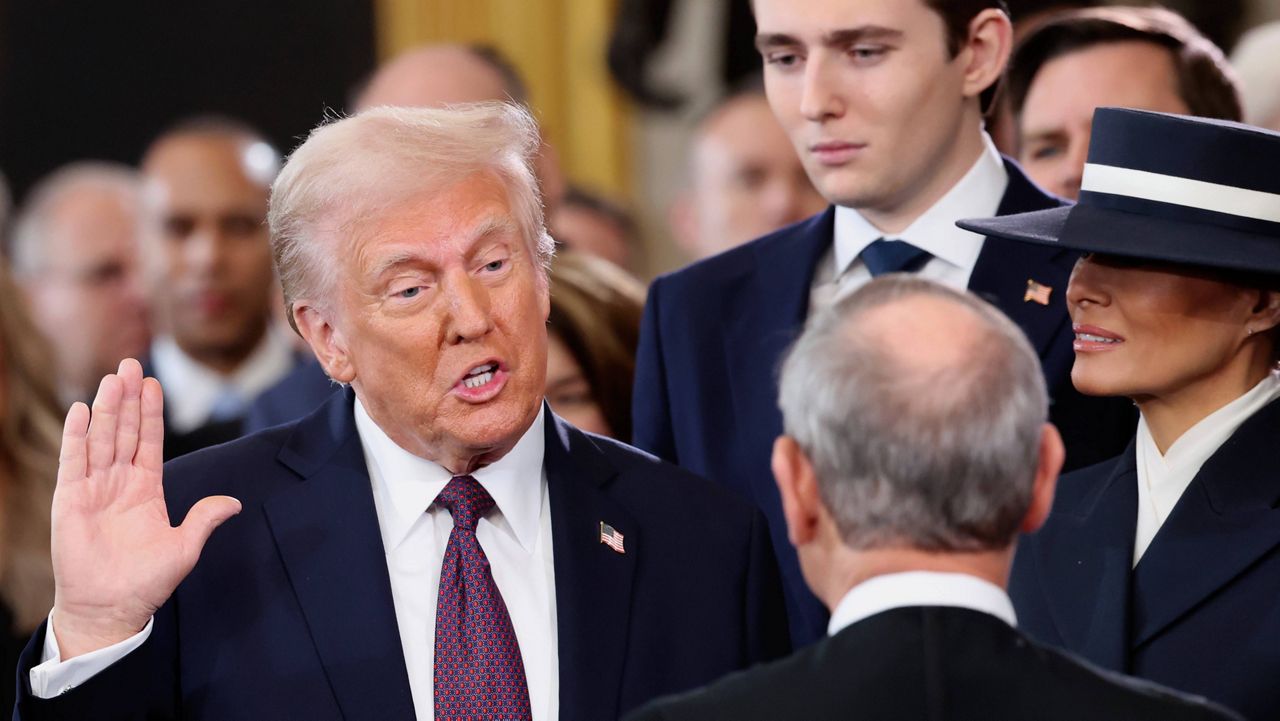
As the year kicked off, President Donald Trump emerged from a turbulent political landscape, declaring a resounding mandate for change. In his inaugural address, he boldly proclaimed, "The golden age of America begins right now." This sentiment encapsulated his approach throughout the year, as he set forth an ambitious and often polarizing agenda aimed at reshaping the nation.
Early Days: Pardons and Policy Changes
Right from Day 1, Trump made headlines with his decision to pardon over 1,500 individuals charged in connection with the January 6 Capitol riot. This controversial move was emblematic of his strategy to reconnect with a core base that clamored for his return to power. Alongside this act, he rapidly instituted policies that would become his administration’s hallmark, including sealing the southern border and authorizing aggressive ICE raids and mass deportations.
Entrepreneur Elon Musk was enlisted to lead a government cost-cutting initiative, rebranded as the U.S. DOGE Service, emphasizing Trump’s mission to streamline federal operations. His focus on deregulation resonated through numerous executive orders aimed at reversing much of the legacy left by his predecessor, President Joe Biden. With an emphasis on energy independence, Trump lifted restrictions on oil and gas drilling while swiftly banning diversity, equity, and inclusion programs across federal agencies.
Economic Shifts: Tariffs and Trade Wars
One of the most striking facets of Trump’s return was his aggressive stance on trade. By imposing sweeping tariffs on imports from a majority of countries, he aimed to protect American jobs and bolster the economy. “My fellow Americans, this is Liberation Day,” he declared during an April event, heralding a new era in American trade policy. This move set off a chain reaction of negotiations and legal challenges, culminating in a high-stakes Supreme Court case aimed at clarifying the parameters of his tariff strategy.
Trump’s mantra, “If we don’t have tariffs, we don’t have national security,” underscored his belief that economic strength was intertwined with national defense, fostering a climate of contention with foreign trading partners. His administration’s imposition of tariffs did not go unnoticed and ultimately sparked protests from affected industries and labor groups.
Legislative Actions and Political Resistance
While Trump orchestrated sweeping changes in federal policy, he also faced significant political maneuvers from a Republican-controlled Congress that largely supported his initiatives. The One Big Beautiful Bill Act, a sweeping piece of legislation that cut taxes and healthcare, marked a significant legislative victory for Trump. Yet, tensions brewed in the background as he grappled with internal divisions, especially regarding the Jeffrey Epstein scandal. Initially advocating for moving on, pressure from House Republicans led to the potential release of investigative files that could implicate high-profile figures.
As summer rolled around, the political winds shifted. A record 43-day government shutdown—a direct result of disputes over health insurance subsidies—exposed vulnerabilities for the Republican Party. Contrarily, Democrats rallied behind messages of affordability and economic relief, leading to unforeseen electoral successes in November.
Challenges and Social Unrest
In what became a hallmark of the year, nationwide protests erupted, reflecting growing discontent with Trump’s aggressive policies. The so-called “No Kings” protests drew millions, signaling significant grassroots opposition to his agenda. His reaction to these demonstrations oscillated between defiance and dismissal, as he contended that “affordability’s a hoax that was started by Democrats.”
The escalating tensions necessitated a robust response from law enforcement, deploying the National Guard to several cities amidst heightened unrest. Tragically, violence marred these events, culminating in the shooting death of a Guard member near the White House.
Controversies: Renovations and Polls
Throughout the year, Trump also faced scrutiny over his lavish renovations of the White House. Plans to overhaul the Rose Garden and replace parts of the East Wing to create a ballroom drew criticism from those who questioned the priorities of his administration at a time of economic strife. "It’ll be the most beautiful ballroom anywhere in the world," he quipped, further alienating segments of the populace eager for practical solutions to pressing issues.
As the year drew to a close, it became evident that Trump was not immune to political challenges. Faced with dwindling poll numbers reflecting public discontent, discussions surrounding his health as he approached 80 years old began to surface. Despite mounting scrutiny, Trump maintained his assertive demeanor, waving off concerns and promising to continue his fight for the American people.
Looking Ahead: Future Implications
With elections approaching in 2026, political observers remain vigilant about the future direction of Trump’s presidency. The groundwork he laid this year—both in terms of policy and public perception—will undoubtedly play a pivotal role in shaping the electoral landscape. As the nation braced for further political battles, one thing was clear: Trump’s comeback was only just beginning.



