

Celebrating 17 Years of Bitcoin: A Political Perspective
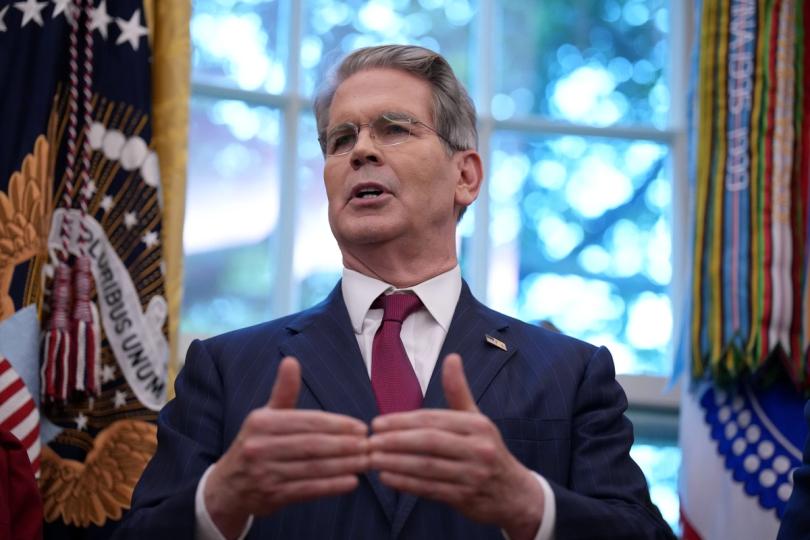
On October 31, 2023, U.S. Treasury Secretary Scott Bessent commemorated the 17th anniversary of the Bitcoin white paper with a notable post on X (formerly Twitter). In his message, Bessent praised Bitcoin’s resilience, stating that the network “never shuts down.” This comment was not merely a celebration; it served as a signal to lawmakers, particularly Senate Democrats, suggesting that they could “learn something from that.” This juxtaposition of Bitcoin’s reliability against the backdrop of a government shutdown added a layer of political commentary to the anniversary.
The Significance of October 31 in Crypto History
October 31 holds a special place in the hearts of cryptocurrency enthusiasts. It marks the day in 2008 when the pseudonymous Satoshi Nakamoto published the Bitcoin white paper, which outlined a novel peer-to-peer electronic cash system. This document has since become foundational for what would evolve into a continuously running network launched in January 2009. For supporters of Bitcoin, the anniversary is an opportunity to highlight its always-on design and independence from any single operator, showcasing the fundamental tenets of decentralization and resilience.
Treasury’s Crypto Messaging: A Year of Transformation
Bessent’s recent post aligns with a broader trend of crypto-friendly messaging from the U.S. Treasury throughout the year. In July, after the President signed the GENIUS Act, Bessent called stablecoins “a revolution in digital finance.” He highlighted how these can provide an internet-native dollar rail, reinforcing the dollar’s status as a reserve currency while opening access to dollar payments for a broader population. A month later, he made headlines again by implying that bitcoin forfeited to the U.S. could seed a Strategic Bitcoin Reserve, indicating a willingness to explore budget-neutral strategies for enhancing U.S. holdings in digital assets.
The Response from the Crypto Community
Bessent’s recent remarks ignited a mix of reactions within the Bitcoin community, reflecting existing divides. Some, like veteran Bitcoin Core developer Luke Dashjr, pushed back against Bessent’s claims, suggesting, “bitcoin is weaker than ever.” This comment reflects ongoing tensions concerning recent software releases and debates about the integrity of the network. Similarly, researcher Eric Wall sarcastically quipped that “bitcoin died after the core v30 release,” poking fun at historical cycles of doom surrounding software upgrades.
Conversely, investor Simon Dixon reframed Bessent’s comments as a critique of conventional currency policy, emphasizing Bitcoin’s core value as protection against political debasement. Others, including trader Fred Krueger, urged the Treasury to act promptly by purchasing Bitcoin for the Strategic Reserve, while digital-asset strategist Gabor Gurbacs suggested that Bitcoin should find its way onto the government’s balance sheet.
Political Undertones: Timing and Context
The timing of Bessent’s tweet was particularly salient, coinciding with a partial government shutdown that began on October 1. Driven by Congress’s failure to reach an agreement on fiscal 2026 appropriations, this event resulted in approximately 900,000 federal employees being furloughed and about 2 million working without pay. The contrast between Bitcoin’s uninterrupted operation and a stalled Congress enabled Bessent’s comments to resonate beyond the crypto community, highlighting themes of reliability, efficiency, and perhaps even a critique of governmental inefficiency.
Implications for Future Policy on Digital Assets
Bessent’s remarks are a clear indicator that the Treasury intends to keep digital asset discussions alive amid pressing political challenges. While his post may seem straightforward, it serves as a reminder that Bitcoin—as a constantly operational network—can symbolize stability in a time of legislative struggle. This engagement from high-ranking officials signals the potential for future policy developments concerning cryptocurrencies and digital assets, suggesting an evolving landscape where traditional systems are increasingly influenced by decentralized innovations in finance.
Through these multifaceted themes—historical significance, community reactions, political implications, and the potential for future developments—Bessent’s post encapsulates a moment where the world of cryptocurrency intersects with larger societal issues, affirming Bitcoin’s role in ongoing conversations about money, policy, and governance in America today.



