

A Tumultuous Week in Mexico: Nov. 3 – Nov. 7
Between November 3 and November 7, Mexico found itself at the center of a storm of national and international discussions surrounding security, diplomacy, and economic matters. The assassination of a well-known anti-crime mayor triggered outrage and protests, while President Claudia Sheinbaum’s government grappled with foreign relations and personal security issues.
Security Crisis in Michoacán
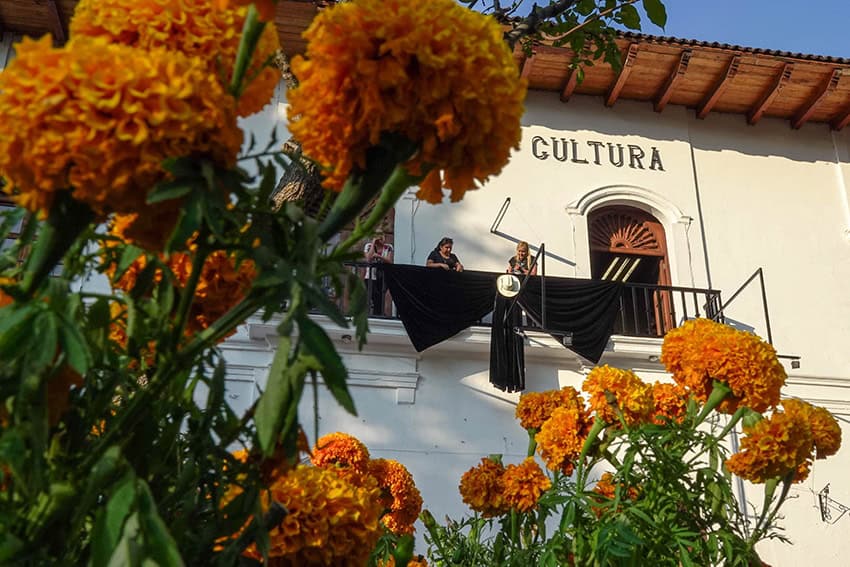
The grim highlight of the week occurred in Michoacán, where Mayor Carlos Alberto Manzo Rodríguez was shot and killed at a public celebration during the Day of the Dead. Known for his firm stance against organized crime, Manzo was a target in a region long plagued by drug cartels. His assassination, marked by a brutal attack that left him with seven gunshot wounds, set off widespread protests in Michoacán, drawing more than 10,000 demonstrators demanding justice for the slain mayor.
This tragedy not only ignited local outrage but also caught the attention of international figures like U.S. Deputy Secretary of State Christopher Landau, who suggested enhanced security cooperation between the U.S. and Mexico. Security forces quickly identified a 17-year-old suspected assassin, linking the murder to the infamous Jalisco New Generation Cartel.
In response, President Sheinbaum expressed her commitment to “no impunity” during her morning press conference and promptly introduced Plan Michoacán, a new strategy aimed at security, justice, and social development.
Diplomacy and National Sovereignty
As protests over the mayor’s death echoed throughout the country, Sheinbaum’s administration was also navigating tense diplomatic waters. Reports emerged that the Trump administration was contemplating deploying U.S. troops to conduct operations against drug cartels in Mexico. In light of this, Sheinbaum firmly rejected any notion of military intervention, stating that Mexicans are united against foreign interference in their sovereignty.
"We are not the piñata of anyone," Sheinbaum urged during a Wednesday press briefing. She reiterated the country’s strong position in trade, highlighting the beneficial trade terms under the USMCA despite the recent tensions.
The diplomatic story became more convoluted when Mexico granted asylum to former Peruvian Prime Minister Betssy Chávez, resulting in Peru severing relations with Mexico and declaring Sheinbaum persona non grata.
A Personal Security Incident
In a shocking turn of events, President Sheinbaum herself faced an assault during a walk in Mexico City’s historic center. An intoxicated man targeted her inappropriately, sparking widespread conversations about the issue of sexual harassment in the country. Following her decision to file a criminal complaint, Sheinbaum voiced her intent to strengthen anti-harassment laws across Mexico and launch a campaign to raise awareness about the issue. However, her critics accused her of diverting attention from the ongoing violence in areas like Michoacán.
Economic Developments
On the economic front, the Mexican Congress passed a new federal budget amounting to 10.2 trillion pesos (US $547.8 billion) for 2026, which includes significant allocations for welfare programs. Notably, Aeroméxico made headlines by successfully executing an IPO, raising around US $300 million, just five years after declaring bankruptcy during the pandemic.
However, not all economic news was positive. Manufacturing faced another setback as Honda halted production in Celaya due to a semiconductor shortage. Meanwhile, the Bank of Mexico reduced its benchmark interest rate, aimed at alleviating some pressures on the economy amid a cautious outlook.
Water Security and Tourism
In favorable environmental news, central Mexico’s Cutzamala System achieved a record high capacity, a turnaround from previous crises, thanks to a series of favorable weather patterns. This milestone ensures a stable water supply for the Mexico City metropolitan region.
Tourism, a vital sector for the economy, experienced mixed results. While Cancún dealt with sargassum issues, tourism hotspots like Tulum saw positive developments as access restrictions to local beaches were lifted. In Mazatlán, preparations were underway for a bustling cruise ship season, although experts cautioned that ongoing security concerns have impacted overall tourism rates.
Cultural and Scientific Recognition
Culturally, Mexico celebrated the noteworthy achievement of novelist Gonzalo Celorio, who received the prestigious Cervantes Prize for his significant contributions to Spanish literature. Additionally, a remarkable scientific discovery caught international attention as researchers documented killer whales hunting young great white sharks in the Gulf of California, illustrating the adaptability of marine species in response to environmental changes.
Throughout this tumultuous week, the Mexican government found itself addressing a myriad of substantial challenges and opportunities. The unfolding narratives in security, diplomacy, economy, and culture illustrate a nation in a state of both crisis and resilience, with President Sheinbaum at the helm of efforts to drive progress in a complex landscape.



