

Senate Passes Legislation for DHS Funding Amid Controversy
In a rare overnight session, the US Senate has made headlines by passing a legislation aimed at financing most of the Department of Homeland Security (DHS). This funding package is particularly notable as it excludes financial support for Immigration and Customs Enforcement (ICE) and some elements of Customs and Border Protection (CBP). Given the ongoing political tensions surrounding immigration enforcement, this move has sparked a variety of reactions from lawmakers and the public alike.
Funding for Essential Agencies
The approved funding package addresses the needs of essential DHS sub-agencies that have been affected by a funding lapse lasting nearly six weeks. Among the agencies that will benefit from this legislation are the Transportation Security Administration (TSA), the US Coast Guard, the Federal Emergency Management Agency (FEMA), and the Cybersecurity and Infrastructure Security Agency (CISA). The urgency for this bill was accelerated as Congress heads toward a scheduled two-week recess, with the House of Representatives needing to act swiftly to finalize the funding and end the partial shutdown.
Political Gridlock and Democratic Demands
For the past two months, lawmakers have found themselves deadlocked over broader DHS funding discussions. Democrats have been vocal about their demand for stronger provisions regulating federal immigration enforcement. The tragic shootings of two US citizens during the Trump administration’s stringent immigration measures have ignited calls for reform, adding another layer of complexity to the negotiations.
Republicans Make Concessions
In a last-minute compromise, Republicans have conceded to a deal that aligns with the Democrats’ calls for reform. The agreement allows for the reopening of only the affected agencies while withholding funding for ICE and CBP. This concession demonstrates the ongoing struggle between the two parties, revealing the deep divisions over immigration policy and funding priorities. Senate Minority Leader Chuck Schumer has noted that this progress could have come much earlier had Republicans not resisted Democratic proposals. He emphasized that the fight for reforms will continue, as Democrats remain staunch in their opposition to unrestricted funding for agencies perceived as exacerbating issues surrounding immigration enforcement.
Executive Orders and Airport Unrest
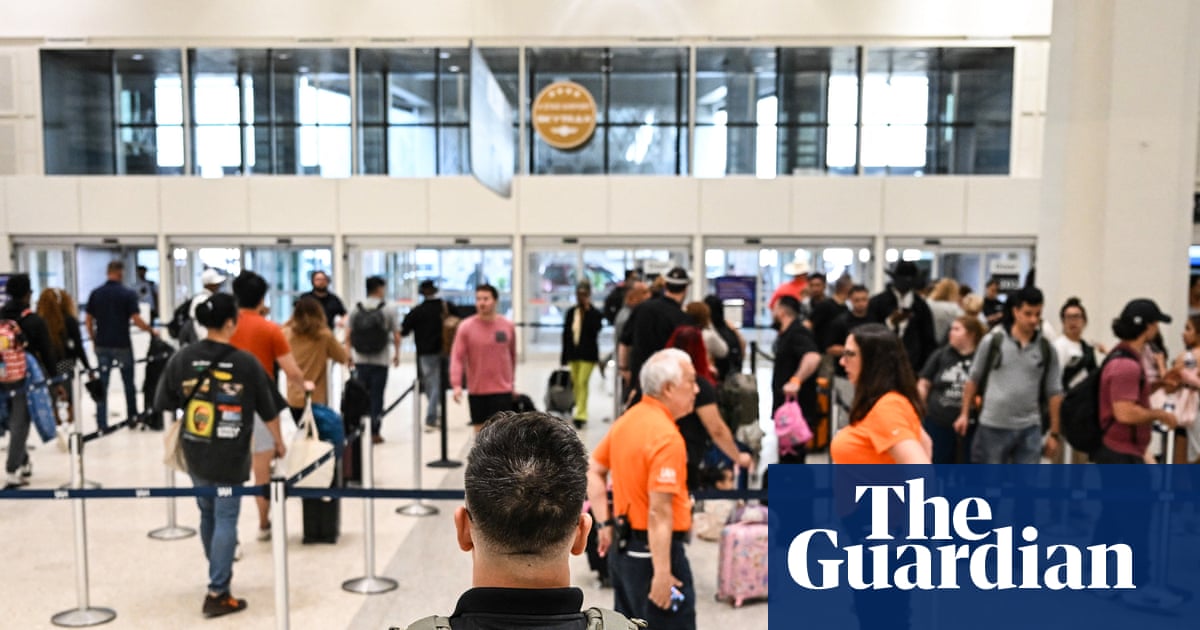
Amid the legislative maneuvering, former President Trump has weighed in on the situation by announcing his intent to sign an executive order to ensure immediate pay for 50,000 TSA workers. This move comes against the backdrop of significant public discontent, marked by overwhelming wait times at airports and reports of TSA staff resorting to extreme measures like sleeping in cars or selling plasma just to get by. Nearly 500 TSA agents have reportedly left their posts in recent weeks, amplifying the sense of urgency surrounding the funding issue.
Impact on TSA Workers
The acting TSA chief, Ha Nguyen McNeill, painted a grim picture of the current state of affairs among security workers, noting that around 40% of TSA staff have failed to report for work. The ongoing government shutdown has left many workers without pay, exacerbating the staffing crisis at a time when their roles have never been more critical. Images of long queues at various airports coupled with frustrated travelers highlight the human cost of this budget impasse.
Future Funding for Immigration Enforcement
While immediate funding for DHS has been secured, discussions around immigration enforcement are far from over. Republicans have indicated a willingness to pursue additional funding for ICE and other aspects of homeland security. This could potentially be expedited through a legislative process known as reconciliation, which enables changes to be made with a simple majority in the Senate. Republican Senator Lindsey Graham has assured that the party will act "quickly and efficiently" to secure funding for vital functions that he believes are crucial to national security and electoral integrity.
The Path Ahead
This recent development in the Senate underscores a broader narrative of contention around immigration enforcement, federal funding priorities, and the ongoing impacts of a divided Congress. As the House prepares to take action, further discussions surrounding immigration funding and enforcement policies remain ripe for debate. The tension not only reveals partisan divisions but also reflects the complexities of governing in a time of heightened scrutiny over immigration policies and their implications for both national security and individual lives.



