

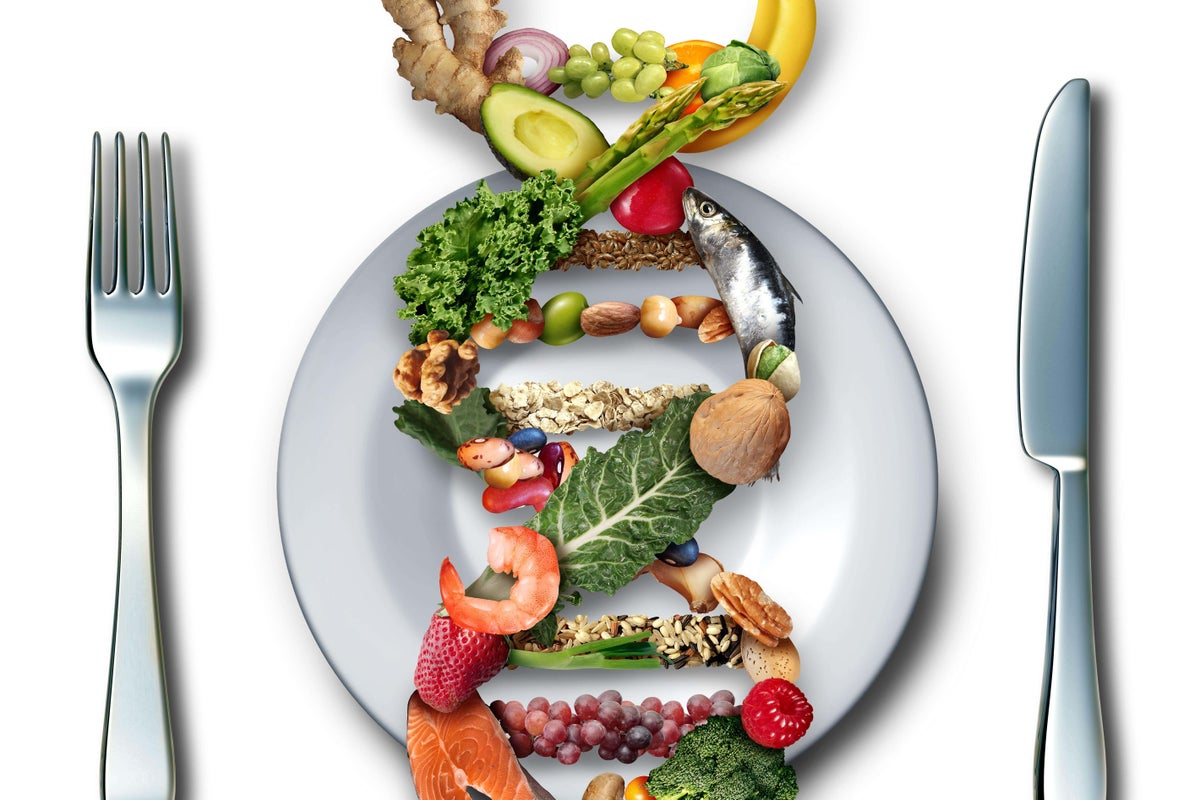
The Journey of Ageing: A Nutritional Guide by Dr. Ian K. Smith
Introduction: Embracing Age with Grace
Aging is a natural part of life, but while it’s inevitable, many of us still seek ways to look and feel younger. Dr. Ian K. Smith, a Harvard-educated doctor, tackles this age-old concern in his book Eat Your Age. He emphasizes that maintaining youthfulness is not reliant on wealth or cosmetic procedures. Instead, it’s about understanding our bodies, making mindful choices, and optimizing our health through nutrition and lifestyle.
The Philosophy of Age-Smith’s Approach
Dr. Smith believes that as we age, our nutritional and metabolic needs change. Rather than prescribing a one-size-fits-all diet, his approach is about aligning food choices, physical activity, and preventive health care with the unique demands of each decade. The goal? To not only extend lifespan but also health span—empowering individuals to age gracefully through practical, science-based strategies.
Your 30s: Establishing Strong Foundations
The 30s are a pivotal decade where the choices made can significantly impact future health. Dr. Smith stresses the importance of prevention over correction during this time:
-
Eating for Prevention: Shift focus from merely counting calories to prioritizing nutrient density. Lean proteins, fiber-rich vegetables, and healthy fats should star in every meal, while ultra-processed foods take a back seat. This balanced approach helps regulate blood sugar and provides sustained energy.
-
Exercise Goals: Consistent resistance training (two to three times a week) is crucial for building muscle, which acts as “metabolic insurance” for later years. Combine it with moderate cardiovascular activities to ensure heart health.
- Medical Awareness: Regular screenings, including fasting glucose and lipid panels, create a personal health baseline, enabling early detection of potential issues.
Your 40s: Navigating Changes
As we enter our 40s, the focus shifts from building health to actively maintaining it. Hormonal adjustments might alter how our bodies respond to diet and exercise:
-
Nutrition Tweaks: Emphasize protein spread evenly across meals to support muscle maintenance, manage appetite, and stabilize blood sugar. Portion sizes should be monitored as caloric needs decline.
-
Boost Cardiovascular Fitness: Incorporate higher-intensity workouts along with strength training. Recovery becomes vital—prioritize sleep and include rest days to avoid overstressing the body.
- Proactive Screenings: Discussions about routine screenings, especially for bowel cancer, and regular monitoring of blood pressure and cholesterol become essential.
Your 50s: Resilience is Key
In the 50s, health transitions from a focus on weight to a greater emphasis on resilience:
-
Anti-Inflammatory Nutrition: Adopt a diet rich in omega-3 fats, colorful veggies, and whole grains while reducing added sugars. In this decade, protecting against inflammation can stave off chronic diseases.
-
Strength Training and Mobility: Consistent strength training is non-negotiable. Incorporate exercises that enhance balance and stability, like single-leg movements, to counter accelerated muscle loss.
- Scheduled Screenings: Regular tests for bone density, cardiovascular disease, and diabetes help catch health issues early, improving treatment outcomes.
Your 60s and Beyond: Prioritizing Independence
In your 60s, the focus shifts from optimizing health to preserving it through targeted growth:
-
Nutrient Needs: Ensure adequate protein intake, along with calcium and vitamin D, to support muscle strength and overall health, even as appetite may decline. Meals should be simple, nutrient-dense, and easy to digest.
-
Maintaining Mobility: Focus on functional movements that enhance strength, balance, flexibility, and walking. Consistency is more important than intensity; even brief, daily exercise sessions can significantly impact health.
- Comprehensive Screenings: Regular checks on vision, hearing, cognitive function, and cardiovascular health are crucial for preserving quality of life and independence in later years.
Final Thoughts: Empowering Yourself Through Knowledge
Dr. Ian K. Smith’s Eat Your Age highlights the power of informed choices across the decades. Through proactive measures in diet and exercise, individuals can embrace aging with confidence, equipped with the knowledge to age both gracefully and healthily. Prioritizing nutrition and consistent movement not only enhances quality of life but serves as a foundation for longevity, ensuring that each stage of life is filled with vitality and vigor.



