

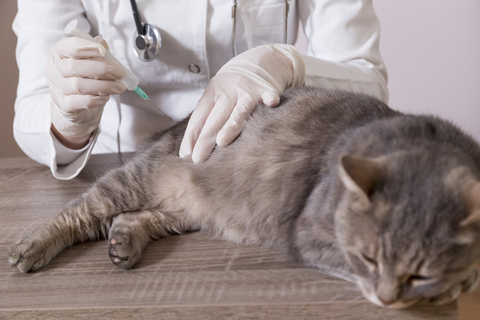
Rabies Vaccination Clinics: A Community Response to Health Concerns
With recent developments from the Centers for Disease Control and Prevention (CDC), communities are taking proactive steps to address the critical issue of rabies and other pox viruses, including smallpox and mpox. The temporary pause in testing for these viruses has prompted local health departments to enhance prevention and rapid response measures, making vaccination clinics more essential than ever.
Upcoming Vaccination Clinic
In Westchester County, residents have the opportunity to participate in a free rabies vaccine clinic for pets. Scheduled for Sunday, April 19, from 10 a.m. to 2 p.m., the clinic will be hosted at Stamen Animal Hospital, located at 61 Quaker Ridge Road, New Rochelle. This initiative is crucial, especially during spring when pets are more active outdoors, increasing their exposure to potentially rabid animals.
How the Clinic Works
Vaccines are administered on a first-come, first-serve basis, so pet owners are encouraged to call ahead at 914-632-1269. This advance notice helps the clinic staff prepare for the expected number of cats, dogs, and ferrets needing vaccination. It’s advisable to bring any proof of prior rabies vaccination, as this can speed up the process.
Important Guidelines:
- An adult must supervise each pet.
- Cats and ferrets should be transported in carriers.
- Dogs must be leashed, with aggressive dogs muzzled.
- Note that no medical examinations will be provided during the clinic.
Understanding Rabies and Its Risks
Rabies is a potentially lethal virus that can spread through bites or contact with the saliva of infected animals. In Westchester County, rabies incidents have occurred from interactions with various wildlife, including stray and feral cats, raccoons, skunks, and even bats. Due to their curiosity and tendency to roam, both dogs and cats are at considerable risk.
As Dr. Sherlita Amler, Westchester County Department of Health Commissioner, emphasizes, "As spring warms up, people and their pets spend more time outdoors…" This season heightens the likelihood of encounters with wild animals that could carry rabies.
Behavior Signs of Rabies
Recognizing the early signs of rabies is crucial for prevention. Changes in an animal’s behavior can often be indicative of rabies. You might observe:
- Unusual aggression
- Loss of fear towards humans
- Abnormal docility or weakness
- Irregular movement patterns, such as staggering
- Excessive drooling or foam at the mouth
Legal Requirements for Pet Vaccinations
New York State law mandates initial rabies vaccinations for dogs and cats at four months of age, followed by a booster within one year, and subsequent vaccinations every one to three years, depending on the vaccine used. Failing to comply with these regulations could incur fines of up to $2,000, highlighting the importance of keeping pet vaccination records up to date.
What to Do After Animal Bites or Scratches
If a pet is bitten or scratched by another animal, immediate action is essential:
- Wash the wound thoroughly.
- Seek medical attention promptly.
- Contact the Health Department with the name and address of the pet owner to verify their vaccination records, which may prevent the need for extensive rabies shots.
Safety Tips for Pet Owners and Families
To protect your pets and your family:
- Never attempt to touch wild or unfamiliar animals, regardless of their condition. Educate children on the risks associated with approaching strange animals.
- In the event of a potential rabies exposure, contact local authorities or animal control, and wear gloves when handling your pet post-altercation with another animal.
Reporting and Follow-Up
All animal bites or incidents involving potential rabies exposure should be reported to your healthcare provider and the Health Department at 914-813-5000. The department provides instructions for emergencies after hours, ensuring that the health and safety of the community remain a top priority.
For further information on rabies prevention, resources are available on the Westchester County Health Department’s website. Keeping informed and proactive can help ensure the wellbeing of both pets and their owners during this season of heightened risk.



