

Discovering the Enigmatic Nubian Villages of Egypt
Nestled along the banks of the majestic Nile lies an enchanting realm that is steeped in history and culture: the Nubian villages of Egypt. These vibrant settlements offer a gentle escape from the bustle of Cairo, allowing visitors to immerse themselves in a rich tapestry of traditions that date back centuries.
A Cultural Journey to Aswan
To reach these charming villages, one must first travel to Aswan, a city renowned for its tranquil ambiance and stunning archaeological landmarks. Aswan stands as a stark contrast to Cairo’s frantic pace; here, the simple pleasures of life come alive. Tourists flock to iconic sites like the Unfinished Obelisk and the famed Aswan High Dam, yet it is the Nubian villages that capture the imagination and heart.
A leisurely boat ride along the Nile sets the tone for an unforgettable experience. As you glide through the water, the picturesque landscapes reveal clusters of colorful houses adorned with intricate designs. As the vessel docks, you are greeted by a herd of camels casually wandering the village, lending an air of pastoral charm to the surroundings.
The Peculiar Love for Crocodiles
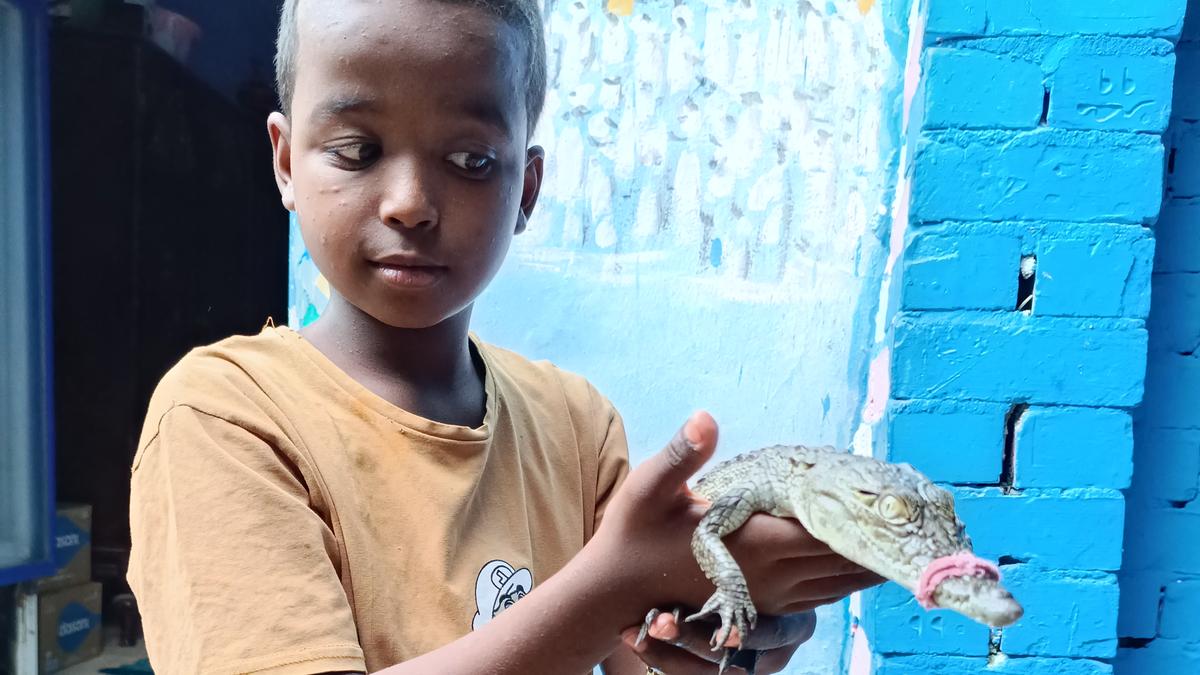
Upon entering a Nubian household, one cannot help but notice the curious presence of crocodiles. It’s a sight that surprises many visitors: children play with hatchlings as if they are small pets, and adults keep larger crocodiles in secure enclosures in their backyards.
Enter young Ali Mustafa, a lively seven-year-old who has a special affinity for these reptiles. As he scoops up a crocodile hatchling from its tank, his infectious grin strikes a chord of both amusement and intrigue. "Don’t touch its stomach; it doesn’t like that!" he warns, his eyes sparkling with mischief as he introduces me to his scaly friend.
The Crocodile as a Cultural Symbol
Delving deeper into the significance of crocodiles within the Nubian culture, one learns that these creatures are not merely pets; they are symbols laden with history and meaning. Ancient Egyptians revered crocodiles, once fearing them as fierce predators that could threaten livelihoods. Yet, over time, this fear transformed into reverence, culminating in the worship of Sobek—the crocodile god associated with fertility, the Nile, and the afterlife.
The Kom Ombo temple, dedicated to Sobek, remains a testament to this ancient veneration, housing remnants and tales of crocodile mummifications. Even today, the symbiotic relationship between Nubians and these reptiles persists.
According to local tour guide Hany Rafail, crocodiles are viewed as protectors. "They ward off the evil eye," he explains. "People believe that having a crocodile absorbs jealousy and promotes prosperity in the community."
The Traditions Continue
Families in the village embrace this belief whole-heartedly. Take L Nhmda, for example, who, alongside her husband and three children, lives harmoniously with crocodiles in their home. "We have three: a mother and her two babies," she mentions with pride while offering me freshly baked bread and pickled cheese.
The warmth of Nubian hospitality combined with their ancestral connection to the crocodile creates a unique experience for anyone lucky enough to visit. L Nhmda’s family sustains themselves by fishing and tourism, preserving the age-old customs that have supported generations before them.
Conclusion
As one meanders through the colorful streets of the Nubian village, the spirit of tradition resonates in every corner. The crocodile, once vilified and now celebrated, epitomizes the rich history and vibrant culture that makes Nubian life a captivating chapter in Egypt’s storied narrative. Visitors are not only treated to breathtaking views and delicious local cuisine but also to the profound insights of a community that finds beauty in both the land and its ancient symbols.