

The White House Correspondents’ Dinner: A Night of Celebration and Terror
As the White House Correspondents’ Dinner approached this year, conversations swirled around its significance and the role of the media in safeguarding freedom of the press. This annual gala, typically marked by humor and the light-hearted roasting of those in power, took a somber turn that left attendees grappling with the realities of gun violence in America.
A Tense Atmosphere
Rather than the usual barbed quips aimed at the media, the night unfolded under a shadow of anxiety. Attendees found themselves in an emotional juxtaposition, seated in elegant tuxedos and gowns yet confronted with the serious topic of safety. The discussions were not merely academic; they were urgent, reflecting the intense scrutiny journalists face in a politically charged environment.
Gunfire Disrupts Celebration
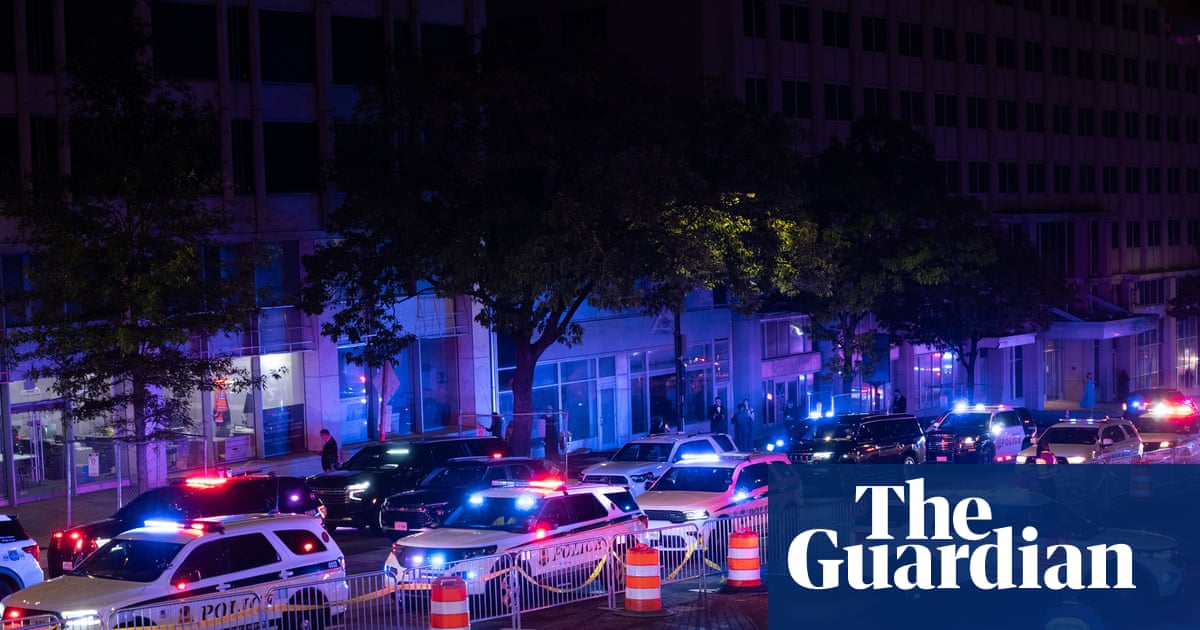
Tragedy struck when a man was apprehended outside the ballroom where the president and various officials, alongside thousands of journalists, were gathered. The incident drew unsettling parallels to history, evoking memories of the 1981 shooting of President Ronald Reagan. As gunshots rang out, chaos ensued inside the ballroom. Journalists instinctively flipped over chairs and sought refuge under tables, their elegant attire contrasting starkly with the panic that unfolded.
A Rising Concern: Political Violence
The event’s security protocols came under scrutiny as many participants echoed the sentiment that such violence has sadly become a part of American life. From attempted assassinations of public figures to the alarming rise in threats against elected officials, the atmosphere of fear surrounding political gatherings is increasingly palpable. Trump himself acknowledged the dangerous terrain of American politics, claiming the role of president was statistically more perilous than that of a racecar driver or a bullfighter.
Reactions from Attendees
Witnesses to the incident voiced their astonishment. "This is supposed to be the most secure place in Washington D.C.," remarked Marcin Wrona, a US correspondent for TVN Poland. His observations underscore a growing concern: if high-profile events can experience such violent outbursts, what does that say about the broader state of safety in political discourse?
As sounds of gunfire echoed beyond the elegant setting, social media erupted. One commentator poignantly noted, “Every few months, Americans are asked to resume their banquet and pretend a shooting didn’t just happen.” The flippant normalization of gun violence in everyday life was starkly highlighted, raising troubling questions about the psychological toll on those who witness such events.
A Rescheduled Celebration
In the wake of the chaos, the correspondents’ association announced that the dinner would be rescheduled. Despite the grim reality they faced, there was an initial insistence that the event could continue. However, consensus prevailed that it was inappropriate to carry on with festivities so soon after a shocking event.
The Ongoing Dialogue
Trump’s subsequent press conference sought to address the incidents but offered little in terms of specific solutions or insights into the motives behind the violence. Instead, he expressed a blurred understanding of the ongoing political climate, as he has been a target of violence himself on multiple occasions.
The Implications for Journalism
As journalists digested the evening’s events, they reflected on the inherent risks of their profession. Beyond the suits and the glamour, this year’s Correspondents’ Dinner became a stark reminder of the dangers that accompany the pursuit of truth. The night was meant to celebrate the freedom of the press, yet it showcased how that freedom can come at a cost.
In the end, this year’s event transformed from a light-hearted gathering into a stark reflection of a society grappling with deep-seated issues of violence and security. As smiling faces disappeared under tables, the reality of political life in America became glaringly clear, raising more questions than answers about the future of public discourse and safety.



