

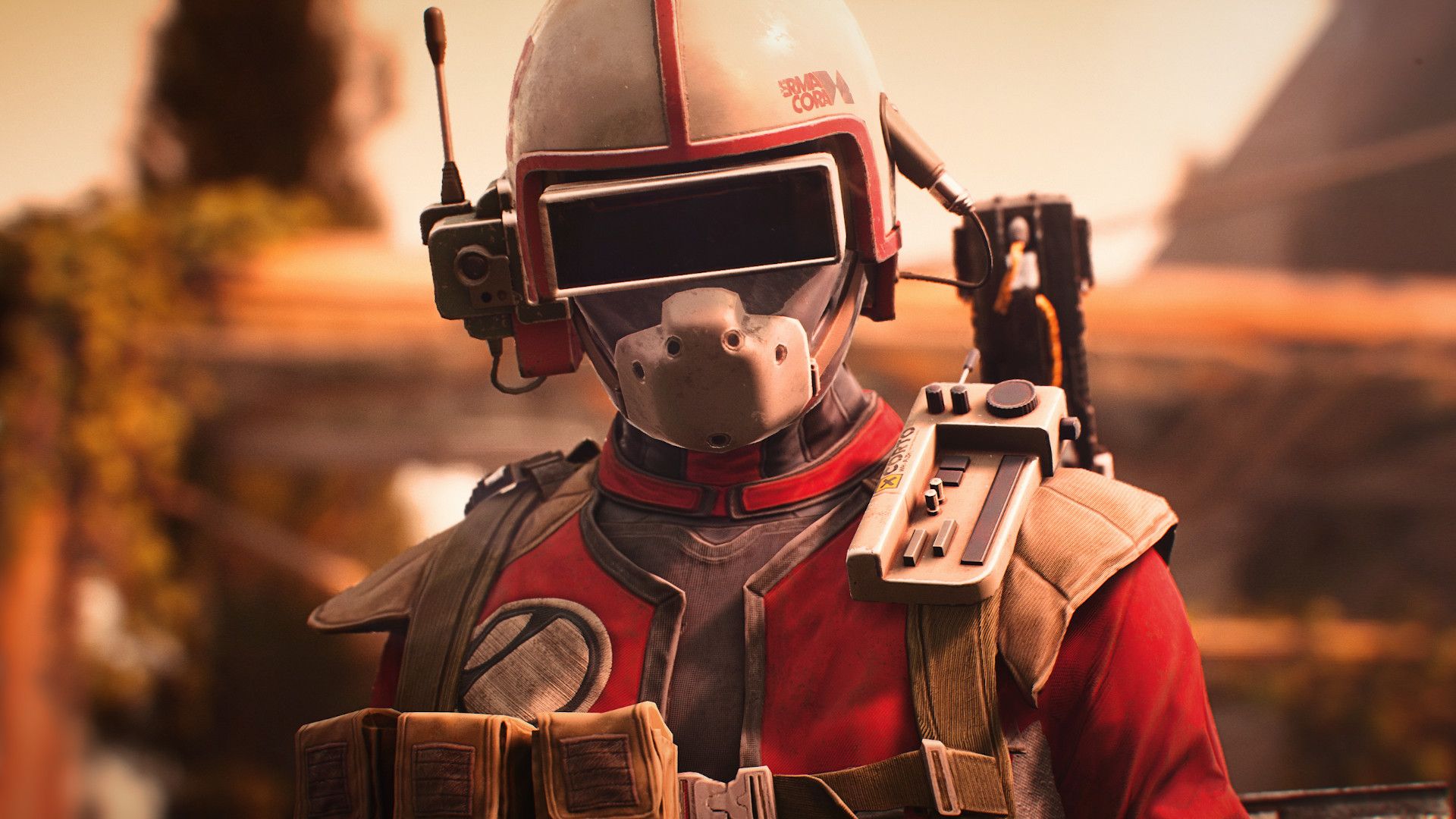
Arc Raiders: A New Dawn in the Extraction Genre
The Anticipation Builds
In a time when gaming is evolving faster than ever, Arc Raiders emerges as a beacon of excitement—especially in the extraction genre. Renowned gaming outlet PC Gamer has dubbed it “the most exciting thing to happen to the extraction genre in a long time,” a sentiment echoed by the extraordinary numbers observed during its recent server slam playtest, which saw more than 185,000 concurrent players on Steam alone. Such staggering statistics indicate a burgeoning interest and potential for what could be a standout title in the gaming landscape.
Embracing the Third-Person Perspective
Despite the mounting hype, a considerable portion of the player base, including myself, harbors a lingering concern: Arc Raiders is primarily designed as a third-person shooter. For those who favor the traditional first-person perspective, this raises a few eyebrows. It’s a classic dilemma—do we sacrifice our personal preference for a wider, more cinematic experience?
Virgil Watkins, the design director at Embark Studios, clarified the development philosophy during a recent interview. He articulated that the game thrives on its third-person perspective, enhancing immersion and interaction with the world, enemies, and fellow players. He emphasized that the synergy between animation, audio, and environment teams creates an immersive experience that simply wouldn’t translate well to a first-person view.
The Technical Challenge
There’s more than just creative choice at play here; technical challenges also loom large. Watkins outlined that Arc Raiders’ geometry and asset quality are optimized for a third-person experience. In simpler terms, when players are maneuvering in third-person, they are viewing the character and world from a comfortable distance, allowing for better visual integrity. If the perspective were to shift to first-person, detailed assets would now need to withstand scrutiny up close, leading to potential quality issues—a factor that simply cannot be overlooked.
A Cinematic Experience
Despite my personal reservations about third-person shooters, I can recognize their merits. The perspective can indeed provide a more cinematic narrative experience. In many ways, Arc Raiders has the potential to reflect the same narrative depth found in beloved title Max Payne. The thrill of watching one’s character perform dynamic animations or engaging visually with the environment can be captivating in a way that first-person shooters may struggle to emulate.
The Community’s Voice
Nevertheless, the call for a first-person perspective remains strong within the community. Many players, myself included, feel that a first-person mode could open up new avenues for gameplay—offering a more direct connection to the character and environment. Although Watkins acknowledges this desire, he reiterates the game’s foundational design choices that make a pivot to first-person “very, very implausible.”
The Broader Context
This discussion isn’t isolated to Arc Raiders; several other games recently faced similar scrutiny when it comes to perspective. The third-person extraction shooter genre is gaining traction, with titles like The Forever Winter also being critiqued for not adopting a first-person perspective. Conversations around gameplay experiences often highlight a divide in preference, underscoring the importance of understanding why certain design decisions are made.
Final Thoughts: A Division in Perspectives
In the gaming community, preference will likely always vary, and for some, a limitation like the lack of a first-person mode can dampen enthusiasm. However, as titles like Arc Raiders seek to redefine their genre, these choices paint a complex picture of balancing player satisfaction with artistic integrity. It’s a fascinating dialogue that enriches the gaming experience, teasing out the nuances of gameplay and player interaction.
While we may not get the first-person experience we desire in Arc Raiders, the immersive capabilities of its third-person design promise a compelling adventure, reflective of the creative ingenuity that the gaming industry continues to showcase.



