

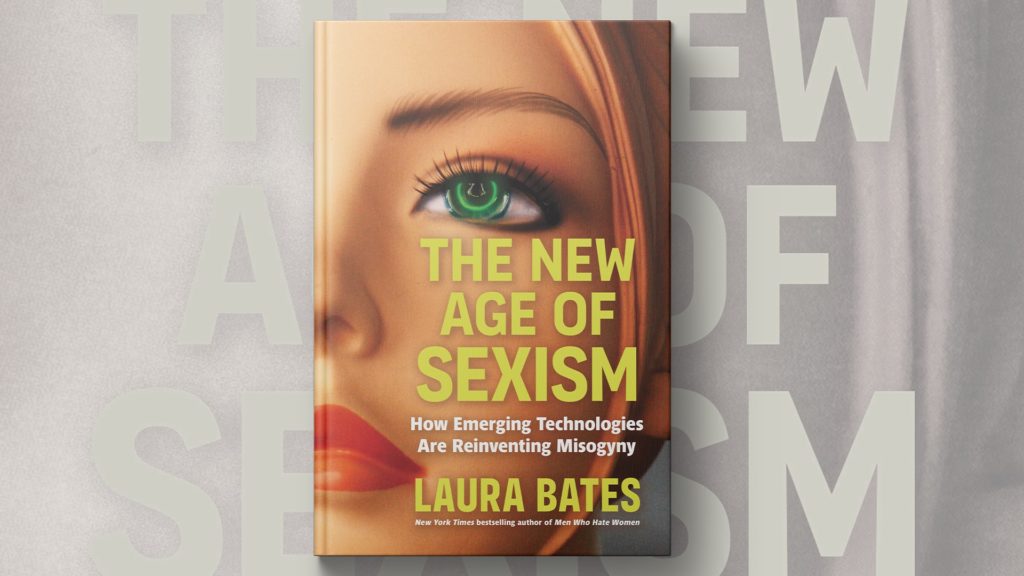
The Transformative Power of A.I. and Emerging Technologies
In recent conversations about the future, one name that consistently rises to the forefront is Laura Bates. Her insights resonate particularly in today’s rapidly evolving landscape, where artificial intelligence (A.I.) and other emerging technologies are poised to fundamentally alter various aspects of our lives. But what does this shift really mean, and why should we be paying attention?
A New Era of Change
Laura Bates highlights that we are on the brink of a transformation that will affect nearly every sector—education, news media, financial services, and even criminal justice. The sheer scope of these changes can feel overwhelming. It’s not just about the technology itself; it’s about how this technology will shape our social fabric, influence cultural norms, and redefine economic opportunities.
The idea of A.I. reshaping our world invites a broad spectrum of possibilities. For instance, in education, personalized learning powered by A.I. could tailor curriculums to individual student needs, potentially enhancing engagement and outcomes. Meanwhile, in the financial services industry, algorithms may revolutionize how we assess credit risk, possibly providing access to underserved communities. Each of these examples illustrates the potential for both positive and negative ramifications.
Re-Embedding Structural Inequalities
One of Bates’s most poignant points is that while emerging technologies like A.I. hold incredible promise, they are also at risk of re-embedding existing social issues, particularly structural inequalities such as sexism and racism.
Take the A.I. systems that are trained on historical data. If that data reflects past biases—like racial or gender prejudices—then the algorithms built on those data can perpetuate those very inequalities. For instance, a hiring algorithm might favor male candidates over equally qualified female candidates if it has been trained on past hiring practices that have historically favored men. This blind perpetuation of biases poses a significant danger—not just to individuals, but to the integrity of entire systems.
The Urgency of Action
Given these complexities, Bates stresses the immediate need for dialogue and action. If we do not engage with these issues now, we may find ourselves grappling with the consequences later. The current nexus of technology and social justice must be understood and navigated with care. Failure to do so could lead to a future where entrenched inequities are harder to dismantle.
Encouraging discussions on ethical A.I., diverse data practices, and inclusive technological designs are essential. By bringing a variety of voices to the table—particularly those from marginalized communities—we can start addressing the biases inherent in current systems.
Building From the Ground Up
As Bates points out, the foundations of our future world are being constructed today. Thus, the conversation needs to focus on building new systems that prioritize equity and fairness from the outset. Whether it’s ensuring diverse teams in tech companies or leveraging community input in the design of A.I. tools, the approach we take in this formative period will resonate for generations to come.
Emerging technologies should not merely replicate existing frameworks; they should offer us a chance to rethink how we approach challenging societal issues. We have the unique opportunity to reimagine our systems as more equitable and just, but this requires conscious effort and collaboration across sectors.
The Path Ahead
In this increasingly complex landscape, Bates invites us to consider what the future could look like if we confronted these challenges head-on. The promise of A.I. and emerging technologies is vast, but it comes with responsibilities that we must collectively embrace. Awareness, discourse, and proactive measures are vital to guiding this technological revolution toward a more inclusive future.
This journey will require vigilance, creativity, and a commitment to question the status quo. Only then can we hope to harness the transformative potential of A.I. while mitigating its risks.