

Growing Up in a Joint Family: A Community-Centric Childhood
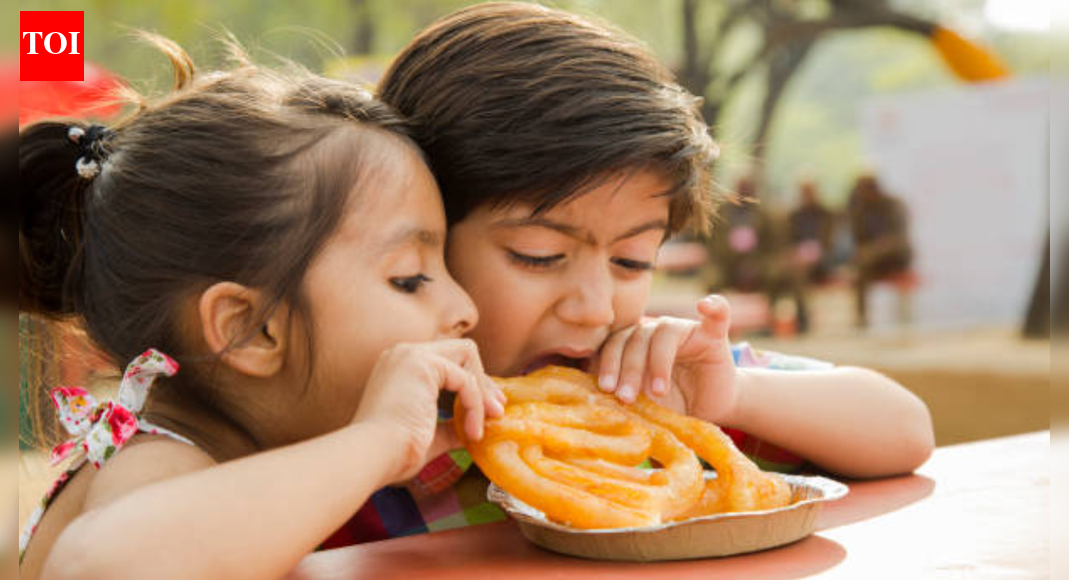
In a world where family structures are rapidly evolving, the joint family remains a cherished tradition in many cultures. Children raised in these large, interconnected homes often experience a unique blend of communal love, guidance, and expectations. Picture a bustling household filled with the cacophony of laughter, stories recounted by a doting grandmother, and the discipline enforced by an uncle—all contributing to the fabric of a child’s daily life.
The Layers of Love and Authority
In a joint family, children learn early on that their existence is intertwined with others. The myriad relationships within the household introduce them to a spectrum of emotional experiences. A grandmother’s wisdom can serve as a soothing balm on tough days, while an uncle’s stern advice offers a different perspective on discipline. This cacophony can blur the lines between siblings and best friends—cousins often become partners in mischief and confidants.
Here, children absorb the rhythms of life. They learn respect for elders, understand the importance of rituals, and navigate the delicate dynamics of living with multiple personalities. Resilience is fostered through shared experiences, while empathy blooms in the ever-evolving relationships they observe around them. Yet, with abundance comes complexity; differing opinions and parenting styles can create friction, leaving children feeling both secure and scrutinized.
A Study in Development
Research underscores the developmental advantages of growing up in a joint family. A comparative study published in the Journal of Emerging Technologies and Innovative Research highlights that preschool children from joint families perform significantly better in social, cognitive, and language skills compared to their nuclear family counterparts. The average score for joint family kids was 38.31, while nuclear family kids scored only 27.5. This statistic reflects the myriad interactions and shared experiences that contribute to enhanced social skills, as children learn to share, cooperate, and adapt from an early age.
The Nuclear Family: An Island of Intimacy
Contrasted with the boisterous joint family, nuclear families form a quieter, more intimate space. In these smaller units, children often experience greater independence, as parents engage more deeply with their immediate needs and challenges. The absence of extended family can foster a strong sense of intimacy, allowing for tailored routines and deeper conversations.
However, while nuclear family children may enjoy this closeness, they might also grapple with feelings of isolation. The singular focus can lead to emotional entanglements—when parents face difficulties, children feel the tremors without the offsetting presence of extended relatives to cushion the blow. Here, independence flourishes, but so can loneliness and emotional tension.
Curating the Emotional Climate
The pivotal takeaway from exploring these family structures is that neither joint nor nuclear families are inherently superior; they simply offer different emotional landscapes for children to navigate. Children from joint families often cultivate a rich understanding of community and shared responsibility. They are imbued with traditions that enrich their social fabric and teach them to value collective experiences.
Conversely, children raised in nuclear families typically emerge with a robust sense of individuality. They possess confidence in their unique voices and adaptability, shaped by the focused support of their parents.
Beyond Size: The Heart of Parenting
Ultimately, the essence of childhood development is not dictated solely by family size but rather by the emotional climate a child grows up in. It is the tenderness in daily interactions, the stability amidst chaos, and the openness to listen that leave lasting impacts. A joint family can nurture independence while a nuclear family can infuse warmth and intimacy. It’s not merely about the number of family members at the dining table—it’s about the depth of love, understanding, and support that truly shapes a child’s experience.



