

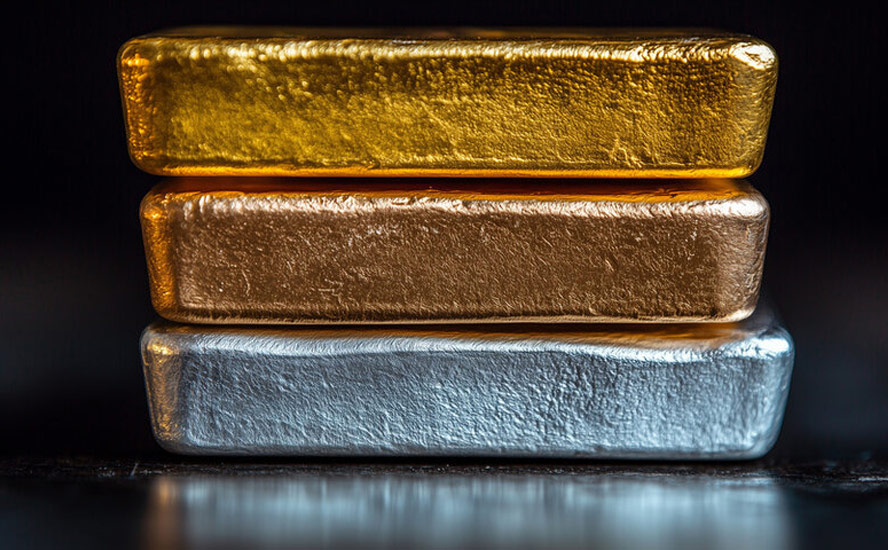
The Fluctuating Landscape of Precious Metals Amid Geopolitical Turmoil
Gold and Silver: A Deviation from Safe Havens
In the face of unforeseen geopolitical events, gold and silver, often regarded as traditional safe-haven assets, have displayed significant volatility rather than the expected robust price increases. The ongoing Iran conflict in 2026 exemplifies this phenomenon, as both metals faced notable price declines. In March 2026 alone, gold plummeted over 10%, while silver saw over a 20% drop. This stark contrast to historical expectations can be attributed to investors’ need for liquidity, leading them to liquidate assets, including gold, particularly during spikes in oil prices with a strengthening U.S. dollar.
Copper’s Resilience
Amidst the unrest, copper has exhibited remarkable resilience, trading near record or multi-month highs. The conflict initially created market volatility and disrupted supply chains; however, the copper market has remained stable, buoyed by tight supply-demand dynamics. Fears of production cuts in Africa and Latin America, driven by shortages of critical materials like sulfur and sulfuric acid used for copper leaching, have further supported copper prices.
The Inverse Relationship with Bond Yields
Gold’s performance has historically shown an inverse relationship with U.S. Treasury yields. As bond yields rise, non-interest-bearing assets like gold typically lose their sheen since interest-bearing assets become more attractive. With the current geopolitical climate, Treasuries have also been seen as safe havens, yet the rising yields have created pressure on gold prices. The trend indicates a growing apprehension among investors regarding potential U.S. debt stability amidst a widening deficit that reached $1.9 trillion in recent times.
Central Bank Behavior and Treasury Yields
Recent insights highlight that global buyers are retreating from owning U.S. debt. This retreat has resulted in surging Treasury yields, further impacting investor sentiment around gold. The erosion of the petrodollar system, coupled with the weaponization of global finance through mechanisms like the SWIFT system, has altered the dynamics of foreign investment in U.S. Treasuries substantially. Countries that traditionally held significant U.S. debt have started shifting towards gold, causing a notable impact on the markets.
A Hedge Against Debt
Gold has long been viewed as a hedge against rising global debt. In times of fiscal uncertainty, particularly with elevated debt-to-GDP ratios, gold often sees increased demand as confidence in fiat currencies wanes. Currently, the global trend of high fiscal deficits, especially in the U.S., is projected to bolster gold prices in the long run. This pattern mirrors historical instances where high deficits correlated with rising gold values, as seen prominently in the 1970s and early 2000s.
A Shift in Central Bank Strategies
Since 2015, there’s been a notable transition in central bank strategies. Gold holdings have risen from 9% to 24% of total reserves, surpassing U.S. Treasuries for the first time since 1996. As of April 2026, central banks collectively own about 18% of all mined gold, valued at approximately $4.6 trillion. This growing preference for gold over Treasuries can be attributed to various factors, including inflation concerns and geopolitical instability, reinforcing gold’s perceived stability during crises.
Declining Gold-to-Debt Ratio in the U.S.
Despite the U.S. holding the largest gold reserves globally at 8,133 tonnes, the gold-to-debt ratio has plummeted to a mere 2%, one of the lowest levels in 90 years. This drastic decline highlights a significant shift away from hard assets as foundational backing for government obligations. As the U.S. approaches a staggering $40 trillion in debt, the diminishing support from gold assets raises valid concerns about financial stability.
Buying Opportunities Amidst Volatility
The recent pullback in gold prices presents an attractive entry point for investors, as analysts believe that geopolitical risks, persistent central bank buying, and inflation spikes due to oil shocks will create upward pressure on gold. The sentiment among experts indicates a growing confidence that central banks may refrain from aggressive rate hikes in 2026, lessening immediate risks related to gold demand.
A Structural Shortage in Silver
Silver, on the other hand, has been grappling with a significant structural deficit, marking its sixth consecutive year of shortages. Demand from industrial sectors, particularly in solar energy and electronics, has been outpacing mine supply. Analysts estimate a cumulative supply deficit of about 820 million ounces since 2021, driven by the escalating factors of industrial growth and investment demand.
China’s Role in the Silver Market
China’s burgeoning demand, particularly in the retail and solar sectors, has exacerbated the existing shortages. With the country’s silver imports hitting record levels in March, the pace at which China is pulling silver from global markets raises further concerns regarding future supply dynamics.
The Copper Market’s Long-Term Deficit
Looking toward copper, the market faces a looming structural deficit. As demand driven by electrification and technological advancements continues to surge, supply chains will likely struggle to keep pace, further complicating the global copper narrative. New studies suggest that by the early 2030s, the deficit could surpass 6 million tonnes annually, indicating a major shortfall as industries evolve and require more copper for manufacturing and infrastructure.
The Challenge for Miners
Despite various approaches by major mining companies to address supply issues through mergers and acquisitions, this does little to enhance the overall global supply. Current copper prices must rise significantly to incentivize large-scale production, yet soaring inflation has increased operational costs, making it challenging for miners to justify new investments.
Conclusion (Omitted)
The engagement with gold, silver, and copper highlights an intricate web of market dynamics shaped by geopolitical tensions and structural shifts in demand and supply. Each element points toward an evolving economic landscape, one where traditional understandings of safe-haven assets are being tested like never before.



