

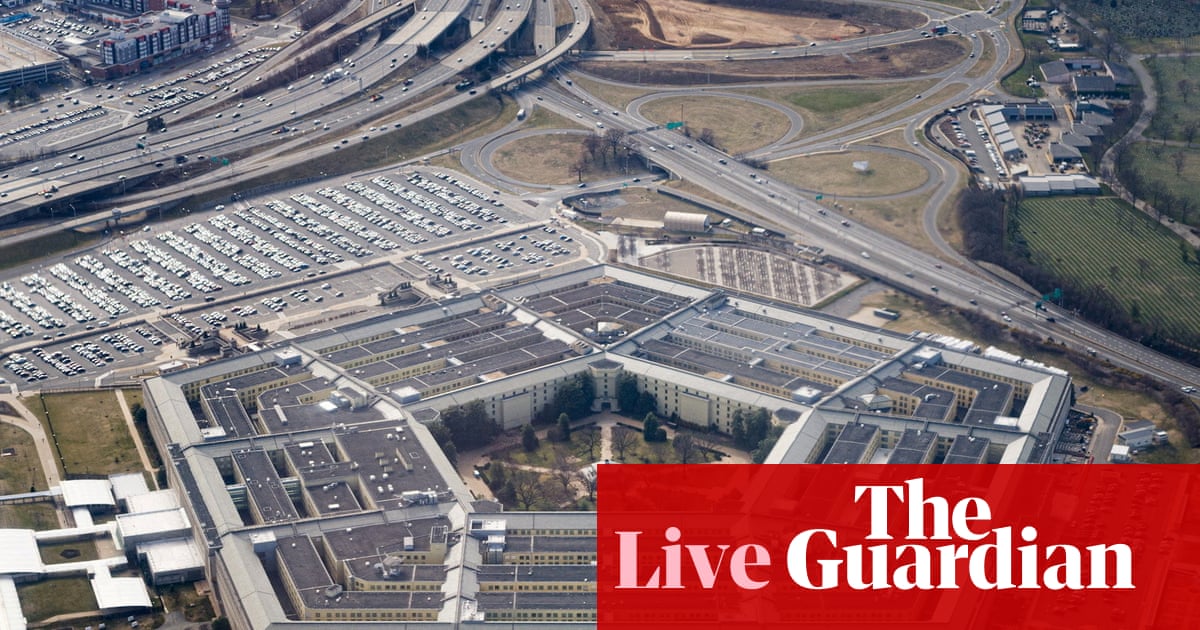
New York Times Sues Pentagon Over New Reporting Restrictions
On December 4, 2025, The New York Times took a significant step in the ongoing struggle for press freedom by filing a lawsuit against the Pentagon. This legal action comes in the wake of new reporting restrictions implemented by the Department of Defense that the newspaper argues violate the constitutional rights of its journalists.
Background on Reporting Restrictions
The new guidelines, which took effect in October 2025, mandate that reporters sign a pledge agreeing not to obtain unauthorized materials. Beyond this, access to certain areas is only permitted if journalists are accompanied by an official. These restrictions mark a stark departure from the previous, more lenient policies that allowed greater journalistic freedom.
In a summary of its lawsuit, The New York Times described this policy as “the type of speech- and press-restrictive scheme that the Supreme Court and D.C. Circuit have recognized violates the First Amendment.” The newspaper asserts that these limitations not only hinder the ability to report on key issues but also set a concerning precedent that could stifle free speech in the realm of journalism.
Industry Response
The backlash against the Pentagon’s new regulations has been swift and broad. Major media outlets, including The Guardian, The Washington Post, CNN, Reuters, NPR, and others, have collectively refused to sign the Pentagon’s agreement, citing similar concerns regarding press freedom and the implications of such restrictions for journalistic integrity. Their united front highlights a profound concern within the media community that government overreach into reporting can have chilling effects on the Fourth Estate.
Legal Action
In the lawsuit filed in the U.S. District Court in Washington, The New York Times seeks a court order to prevent the Pentagon from enforcing these restrictive press policies. The newspaper’s statement emphasizes its commitment to defending journalists’ rights and holding the government accountable, irrespective of the administration in power. The defense against such violations of free speech is framed as a longstanding duty that the organization prioritizes.
Implications for Journalism
The outcome of this lawsuit could have far-reaching implications for journalists across the United States. A ruling in favor of The New York Times might set a precedent that reinforces the protections of the First Amendment against governmental encroachments on the media. Conversely, a ruling that upholds the Pentagon’s restrictions could embolden other government agencies to implement similar policies, significantly curtailing press access to vital information.
The Bigger Picture
This legal battle is not occurring in a vacuum. It reflects a wider cultural and political landscape that often clashes with the principles of a free press. The tension between national security and journalistic freedom has been a recurring theme throughout U.S. history, particularly in times of conflict or heightened security concerns. As such, the lawsuit presents an opportunity for a critical examination of how these tensions are negotiated within the context of a democratic society.
By raising these issues, The New York Times not only challenges the Pentagon’s guidelines but also invites broader discussions about the role of the press in holding government institutions accountable. As this case unfolds, it will be essential for all eyes to remain on the courtroom and consider the implications for journalists and media entities across the nation.



