

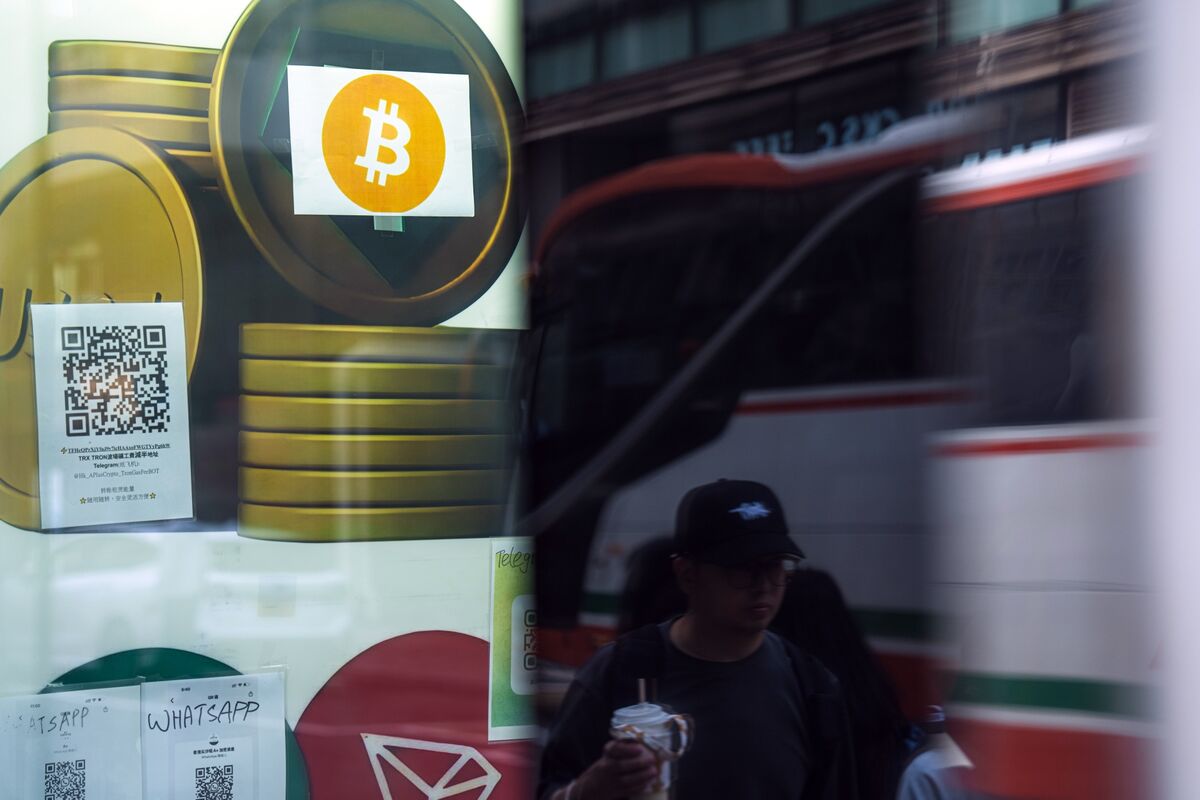
Bitcoin’s Recent Market Performance: A Dive into Volatility
Bitcoin, the pioneer of cryptocurrencies, has once again showcased its notorious volatility. During the latest trading hours in Asia, the digital currency slipped, falling as much as 3.2% and briefly dipping below the $90,000 mark. This decline followed a day when Bitcoin had seen an intraday high of $94,490, illustrating the erratic nature of crypto trading. Meanwhile, other risk assets appeared to gain momentum, reflecting a complex interrelation between traditional finance and cryptocurrencies.
The Role of the US Federal Reserve
Central to this recent fluctuation is the US Federal Reserve’s decision to cut interest rates. In a market where economic indicators can shift sentiment drastically, the Fed’s actions often provide a ripple effect across various asset classes. By lowering interest rates, the Fed aims to stimulate economic activity, often encouraging investment in riskier assets such as stocks, commodities, and digital currencies. Despite this positive movement, Bitcoin’s reaction seems paradoxical, highlighting how the cryptocurrency can sometimes act independently of broader market trends.
The Impact on Smaller Tokens
It’s not just Bitcoin feeling the heat; smaller cryptocurrencies, like Ether, have also seen a decline, shedding as much as 5.2% of their value. This trend raises questions about market correlations and investor behavior. As Bitcoin struggles, many altcoins often mirror its movements, reflecting broader market sentiments. However, the observed downturn, even amidst a bullish environment for other risk assets, suggests a potential divergence in investor sentiment towards established coins compared to newer, less proven alternatives.
Understanding Market Sentiment
Current market sentiment plays a critical role in understanding Bitcoin’s and other cryptocurrencies’ performance. With volatility as a hallmark of Bitcoin, many investors are often put off by short-term price swings. This behavior leads to a more cautious approach during times of uncertainty, as traders weigh the influences of macroeconomic developments against the typically more stable environment of traditional equities. The Fed’s optimistic outlook on the economy may lead many to believe that risk-on sentiment should benefit cryptocurrencies. Yet, the reality seems more nuanced, often dictated by investor psychology and speculative trading practices.
Broader Implications for Cryptocurrency Investors
For investors navigating this landscape, it’s essential to consider multiple factors before making investment decisions. While short-term volatility can be alarming, long-term holders often focus on the fundamentals that drive the cryptocurrency space — adoption rates, institutional interest, technological advancements, and regulatory developments. Each of these elements can significantly alter market dynamics, potentially overshadowing ephemeral movements driven by daily trading patterns.
The Continued Interest in Bitcoin and Cryptocurrencies
Despite the recent dip, Bitcoin and other cryptocurrencies remain firmly in the spotlight. Institutional investments continue to flow into the crypto space, signifying a belief in its long-term potential. Furthermore, as technology evolves, blockchain innovations and financial products linked to cryptocurrencies are continually emerging, which may drive renewed interest and speculative investments.
In summary, while Bitcoin and similar assets are experiencing short-term volatility amid broader market shifts influenced by the Federal Reserve’s policies, the long-term outlook remains a topic of keen interest among investors, analysts, and enthusiasts alike. Understanding the interplay of market dynamics is crucial as the cryptocurrency narrative continues to evolve in a fast-paced global economy.



