

The Impact of AI on Tech Industry Layoffs: A Deep Dive into Recent Changes
Shift in Employment Landscape
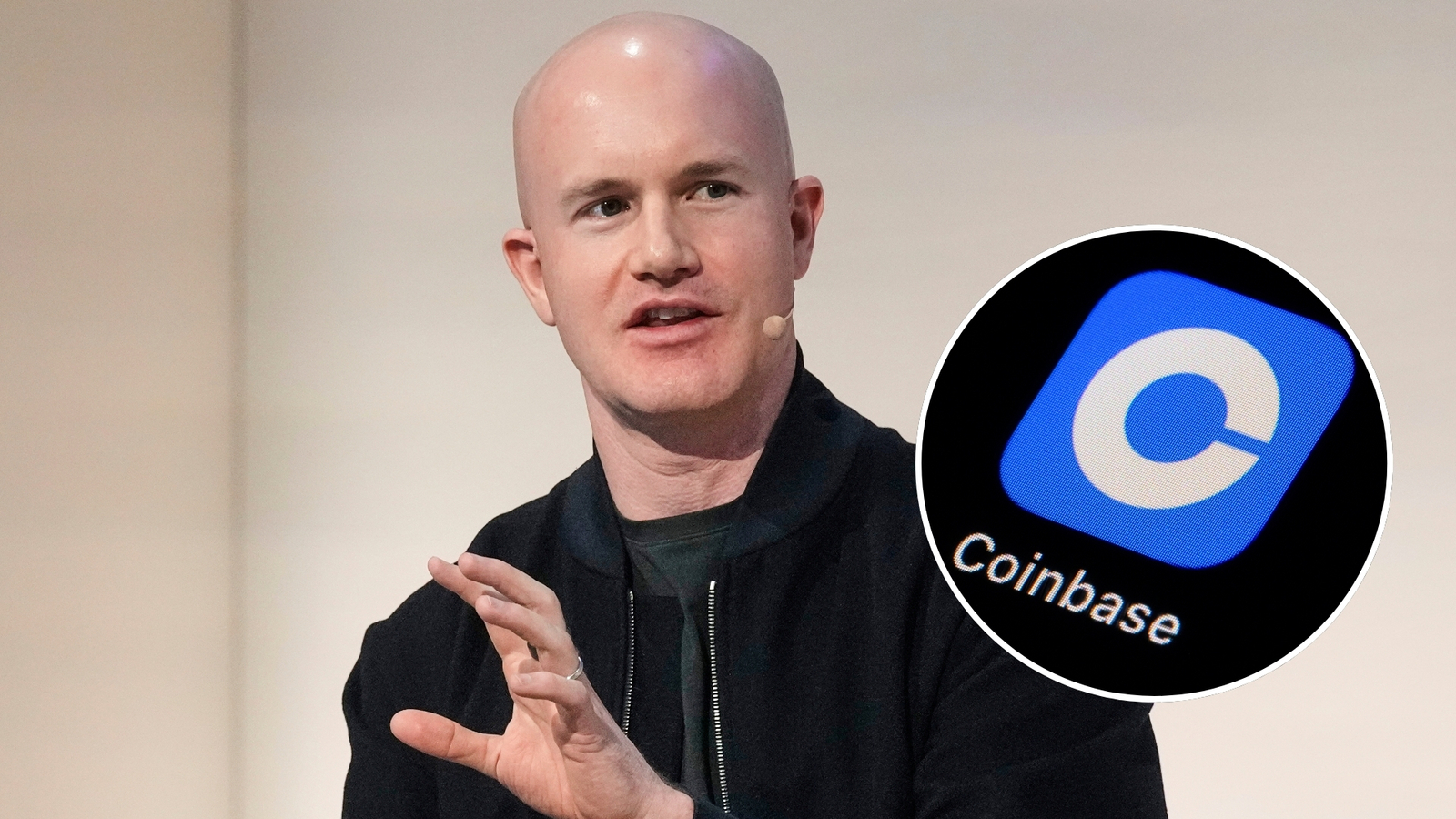
The tech industry is experiencing a seismic shift as artificial intelligence (AI) transforms work practices, leading to significant layoffs. Recently, Coinbase, a major player in the cryptocurrency market based in San Francisco, announced that it would lay off 14% of its staff. This transition signifies more than just cost-cutting measures; it highlights a fundamental change in how companies operate in an increasingly automated world.
Rebuilding Organizations for AI Efficiency
In an email to employees, Coinbase’s CEO emphasized that the company is not merely reducing headcount but is actively "fundamentally changing how we operate." This involves a vision of the company as an "intelligence" that is enhanced by human input. This shift indicates a goal to align the organization around AI-driven processes — a strategy mirrored in several other tech giants’ recent actions.
Personal Experiences from the Ground
Shivam Goyal, a software engineer who recently relocated from Boston to San Francisco, illustrates the mixed emotions surrounding AI’s integration in the workplace. Embracing tools like ChatGPT and Claude, he affirms that AI serves as a valuable assistant in coding. "It’s a helping hand," he states, recognizing that these advancements enable engineers to code more effectively. Yet, Goyal also acknowledges the harsh reality of job losses tied to AI advancements, as many of his friends back in India find themselves out of work.
An Eye on Layoff Trends
Roger Lee, founder of layoffs.fyi, a website tracking tech layoffs since 2020, reports a noticeable uptick in layoffs attributed to AI developments. Major companies like Meta, Block, and Amazon have made similar announcements, indicating a broader trend throughout the industry. Lee points out that leaders from these firms believe reducing staff is necessary for enhancing productivity with AI. He emphasizes the need to realign teams to better utilize AI’s capabilities.
The Silicon Valley Adage
Amidst these changes, a popular saying in Silicon Valley emerges: "AI will not take your job; people who know how to use AI will take your job." Ahmed Banafa, an engineering professor and tech expert, explains that as AI takes on more tasks, the employees who adapt and leverage AI tools effectively will remain competitive.
Support from Congress: Is It Enough?
As AI’s influence grows, many voices express concern that Congress is not doing enough to address the transition’s workforce implications. According to a recent report, a mere $160 million earmarked for reskilling and retraining initiatives is insufficient for aiding those affected by layoffs. Banafa does not hold back in his skepticism, remarking that the investment will not significantly address the challenges ahead for displaced workers.
The Future of Work with AI
Goyal believes in the potential of AI as a collaborative tool rather than a replacement for humans. "AI is like a co-pilot," he asserts, underscoring the notion that AI should complement human skills rather than completely replace them. This perspective highlights the importance of balancing technology with human ingenuity.
Envisioning New Job Opportunities
Experts are optimistic about the emergence of new job roles stemming from AI integration. Banafa notes that while AI can streamline workflows and increase efficiency, it also opens the door for positions focused on supervising AI operations. As organizations reshape themselves to include AI in their frameworks, leaders will need professionals who can effectively manage these new technologies.
As the tech industry navigates the complexities introduced by AI, both workers and employers are faced with the challenge of adapting to a rapidly changing environment. The interplay between technological advancements and workforce dynamics will continue to evolve, leaving many to ponder what the future holds for jobs in this new age.



