

The Rise of AI-Generated Fake Videos and the Verification Crisis
In today’s digital landscape, the emergence of artificial intelligence (AI) has revolutionized how content is created and shared. However, this technological evolution comes with significant risks, particularly regarding misinformation. Experts are increasingly sounding the alarm about what they term a “verification crisis,” as AI-generated fake videos spread rapidly across social media platforms.
The Mechanics of Misinformation
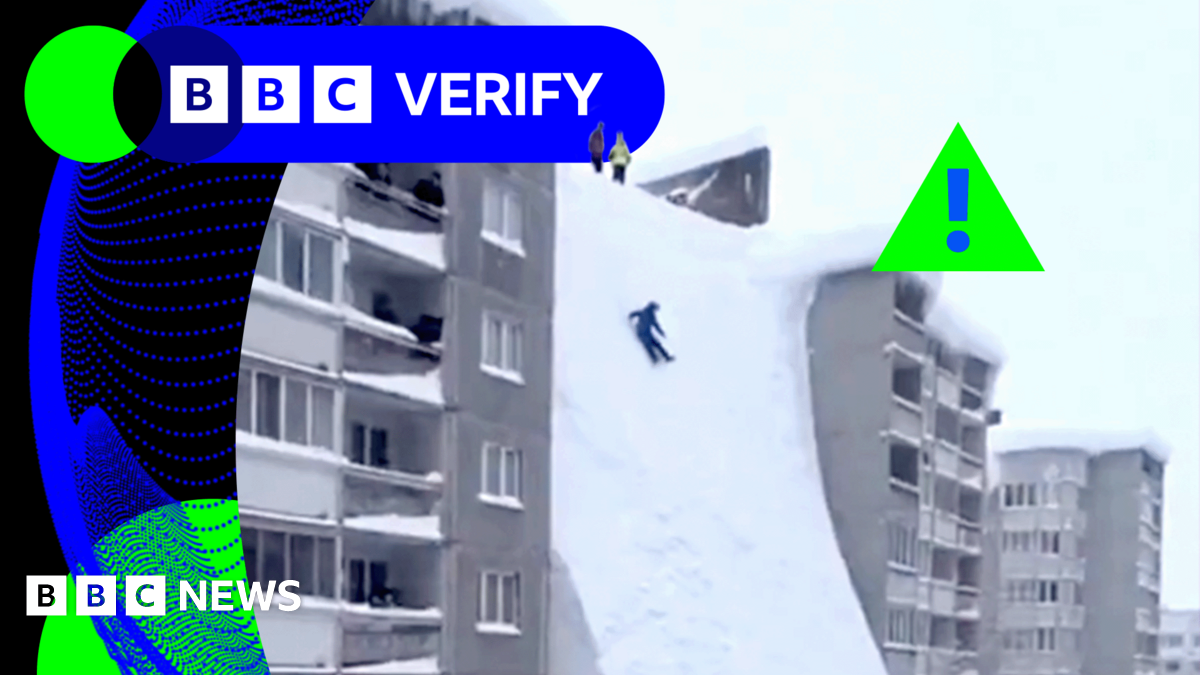
Recent instances have illustrated the alarming ease with which AI can fabricate realistic video content. A striking example features a fabricated scene from Kamchatka, Russia, where non-existent snow conditions depict people sliding down an enormous drift between two high-rise buildings. With a staggering view count on X (formerly Twitter) —around one million views— the video’s deceptive nature raises concerns about audience discernment.
Despite some visual inconsistencies that hint at its artificial origin, such as the unrealistic snow dynamics, many viewers are unable to discern the truth. This blurring of reality is exacerbated by the lack of proper labeling on such videos, which means users often engage with content without any indication of its authenticity.
Tools and Technologies for Detection
In this complex landscape, specialized tools are being deployed to help verify the authenticity of videos. For instance, the BBC has developed an in-house AI checker that meticulously examines visuals frame-by-frame. In the case of the Kamchatka video, this technology flagged it as fake.
Henk van Ess, an expert in integrating AI into investigative journalism, used his ImageWhisperer tool to analyze similar content and reached the same conclusion. Technologies like these are invaluable, especially as standard media practices sometimes overlook the necessity for thorough verification.
Implications for Journalism
The ramifications of AI-generated content extend deeply into the journalistic domain. Van Ess warns that when even seasoned journalists fall for fabricated imagery, it signals a critical moment for media credibility. “We’ve got a verification crisis,” he states. The risk looms large that today’s innocuous AI-generated clips could morph into tomorrow’s false narratives about disasters or international conflicts.
Every time media outlets run unverified videos, they run the incredible risk of conditioning audiences to either believe everything they see or become cynical, dismissing even genuine content. This kind of divergence leads to a potentially dangerous public sentiment where truth becomes subjective.
Consequences on Public Perception
The implications for public perception are profound. As fake content proliferates without appropriate countermeasures in place, trust in media can erode. Audiences might increasingly question not just the veracity of sensational stories but also the integrity of credible journalism. This cycle leads to a perilous environment in which misinformation can thrive, endangering democratic discourse and informed citizenship.
The Role of Awareness
To combat the spread of disinformation, it’s essential to foster a culture of critical consumption among audiences. Encouraging users to scrutinize video content—considering factors like source, context, and intention—can play a pivotal role in fostering a more informed public.
Social media platforms also bear responsibility; they must develop more effective mechanisms to label and flag AI-generated content, thereby informing users about the nature of what they are viewing. Transparency is crucial in rebuilding trust between media, platforms, and audiences.
The Dual-Edged Nature of AI in Media
AI is undoubtedly a powerful tool that can enhance creativity and efficiency in various sectors. However, its capacity to create deceptive content poses significant challenges. Striking a balance between using AI for good while mitigating its potential for harm becomes critical as these technologies continue to evolve.
As we navigate an increasingly complex landscape of information, understanding and acknowledging these challenges is the first step toward a more discerning and vigilant public.
By shining a spotlight on the consequences of unchecked AI-generated media, we can begin to champion responsibility, integrity, and transparency in both content creation and consumption.



