

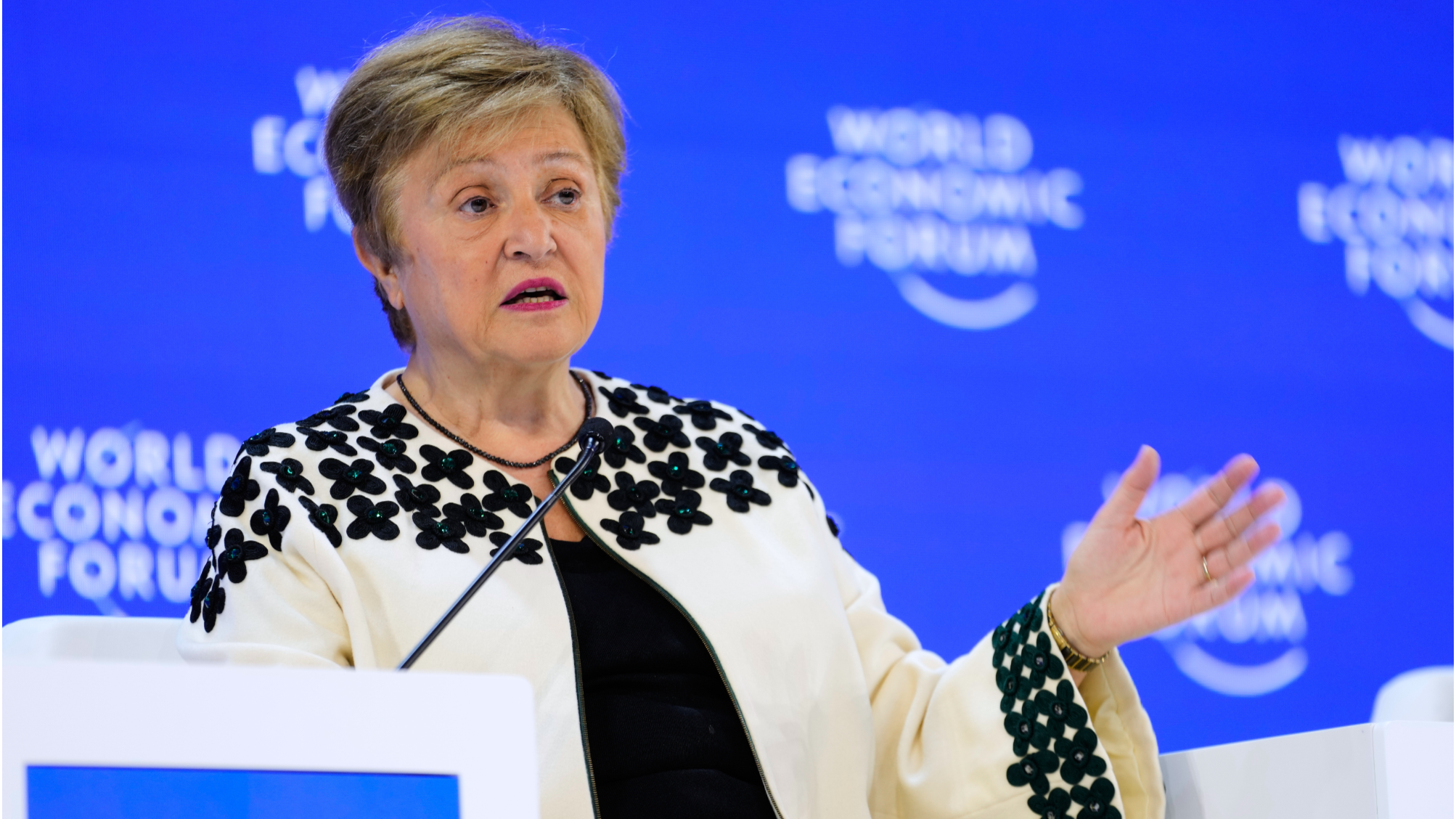
Global Economic Resilience Under Pressure: Insights from Kristalina Georgieva
Introduction to the Immediate Concerns
At the Asia in 2050 Conference held in Bangkok, Kristalina Georgieva, the managing director of the International Monetary Fund (IMF), addressed an audience grappling with the implications of recent global events. The ongoing conflict in the Middle East has emerged as a significant stress test for global economic resilience, drawing the attention of policymakers and analysts worldwide.
Impact of Conflict on Global Energy Prices
Georgieva emphasized the precariousness of the current situation, highlighting the potential for the conflict to lead to surges in global energy prices. Energy markets are often the first to react to geopolitical tensions, and this time is no different. In her remarks, she pointed out that a prolonged conflict could have cascading effects on not only energy prices but also on market sentiment and economic growth. These elements are interconnected—rising energy costs can lead to higher inflation, which in turn influences consumer spending and industrial production.
The Broader Economic Landscape
Just as critical, Georgieva indicated that this new wave of uncertainty poses ongoing challenges to global economic stability. She characterized this uncertainty as the "new normal," suggesting that stakeholders should brace themselves for a series of shocks in various forms. The interconnectedness of global economies means that even localized conflicts can resonate globally, and the ramifications can be swift and far-reaching.
Energy Security and Asian Markets
For Asian nations, energy security is front and center. Georgieva explained that confidence in energy supply directly correlates to economic stability. Many Asian economies are heavily reliant on energy imports, making them particularly vulnerable to disruptions. The stock markets have already shown signs of anxiety in response to the escalating conflict, underscoring the urgent need for robust policies to navigate these turbulent waters.
IMF’s Vigilance and Role
As the guardian of international economic and financial stability, the IMF is closely monitoring the developments in the Middle East. Georgieva reassured the audience that her organization is actively assessing the impact of these geopolitical tensions on both regional and global economic landscapes. The IMF’s analytical capabilities will help delineate potential pathways and inform policymakers about the most effective strategies to mitigate risks.
Ongoing Assessment of Economic Ramifications
In her speech, Georgieva made it clear that ongoing evaluations are essential for understanding the potential fallout from the conflict. The IMF’s commitment to deep dives into economic data and trends will guide its recommendations to member countries. This vigilance is vital as governments navigate the complexities of economic policy amidst a backdrop of uncertainty; every decision counts during these critical times.
Conclusion
Kristalina Georgieva’s insights at the Asia in 2050 Conference highlight a crucial moment in global economics. The interplay between geopolitical tensions, energy security, and market confidence is becoming more visible, reminding us of the delicate balance that underpins international relations and economic health. As we look ahead, it is evident that the path forward will require adaptability, informed policymaking, and a unified approach to ensure economic resilience in the face of continuous challenges.



