

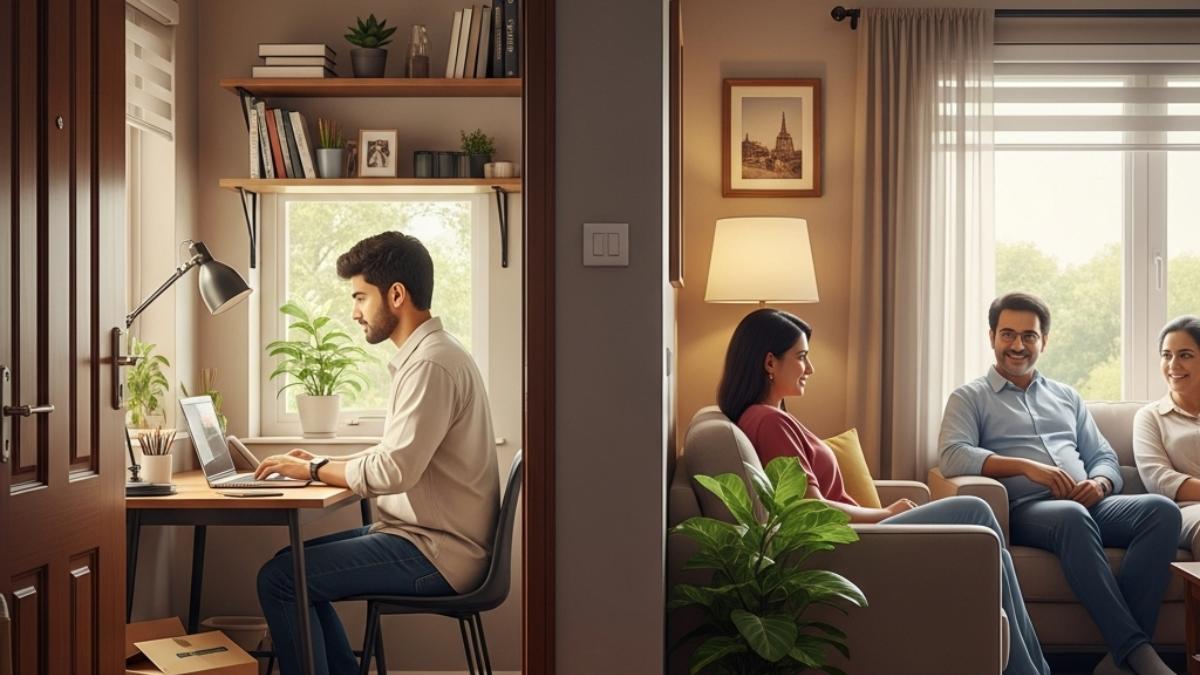
The Rise of the Boomerang Generation: A Shift in Adult Living Arrangements
The phenomenon of the "boomerang generation," where adult children move back into their parents’ homes, has become more than a fleeting trend; it’s a structural shift reshaping modern urban life. By 2026, this lifestyle reflects an array of pressing economic challenges, cultural shifts, and evolving family dynamics. Let’s explore the various dimensions contributing to the rise of this lifestyle choice.
Economic Pressures and Housing Costs
One of the most compelling reasons for the boomerang lifestyle is the skyrocketing cost of housing. In major cities such as Mumbai and Delhi, the financial burden is palpable. Often, young adults find themselves spending nearly 45% of their entry-level salary on renting a modest one-bedroom apartment. This reality is compounded by rising student debts; many feel that achieving financial independence is akin to reaching for the stars.
For instance, consider Rohit, a 27-year-old teacher in Delhi. He is navigating the complex world of student loans while still covering day-to-day expenses, which leads him back to his parents’ home as a financially savvy strategy. He represents a growing demographic that realizes the short-term sacrifice of living at home can yield long-term financial stability.
Redefining Spaces: Internal Suburbanization
Modern households are adapting to the realities of this new lifestyle. The concept of "internal suburbanization" has emerged, where families are transforming their homes to better suit multigenerational living. Spare rooms are now evolving into home offices, study areas, or even gaming zones. This clever re-imagination allows young adults to cultivate a sense of autonomy while remaining under the same roof as their parents.
High-speed internet and digital connectivity play pivotal roles in facilitating this transformation. Individuals can seamlessly maintain their work and social lives, affording them a semblance of independence amidst a communal living arrangement.
The Quest for Privacy and Autonomy
In a scenario where young adults coexist with parents, privacy has emerged as a precious commodity. More than ever, they engage in coded language and keep conversations about personal matters to a minimum. For example, Priya, a marketing executive from Pune, prefers texting her colleagues rather than making calls in her family setting. This behavior highlights a wider trend among young adults who prioritize their autonomy even within shared spaces.
Such dynamics indicate a conscious effort to preserve individuality while being part of a collective living experience, which is vital for maintaining mental well-being as families adapt to these new arrangements.
E-Commerce: The New Lifeline
The advent of e-commerce has completely overhauled how young adults manage their daily needs while living in family homes. The convenience of ordering groceries, clothes, and tech gadgets online—often delivered directly to their rooms—further supports this trend. This shift allows for a sense of independence in consumption patterns while minimizing friction in family dynamics.
Not only does this reduce the need for communal shopping trips, but it also empowers younger generations to make choices reflective of their tastes and preferences, reinforcing a modern sense of autonomy.
A Strategic Retreat
Contrary to the outdated notion that remaining at home signifies a “failure to launch,” today’s young adults view this choice as a strategic retreat. In the face of severe market challenges and lifestyle shifts, moving back home is perceived as an intelligent maneuver to maintain financial security, explore diverse career options, and embrace lifestyle conveniences that gig economies offer.
Experts agree that such multigenerational living arrangements are practical responses to urban congestion and high living costs, allowing families to pool resources while providing emotional and logistical support to one another.
Comparing the Landscape: 1990s vs. 2026
A comparison of living arrangements across decades starkly illustrates the evolution of the household dynamic.
| Feature | 1990s “Empty Nest” | 2026 “Full Nest” |
|---|---|---|
| Living Space | Formal dining rooms & guest beds | Home offices & extension pods |
| Communication | Phone calls, scheduled check-ins | Instant messaging even between rooms |
| Meals | Family dinner at 7 PM | Individualized meals & staggered schedules |
| Economy | Shared household budget | Independent digital consumption, e-commerce |
Today’s homes reflect not just adaptation, but also a social transformation where living arrangements are tailored to meet the needs of various generations.
As urban living costs continue to rise and career paths evolve, the boomerang lifestyle will likely remain a hallmark of contemporary family life. It captures the essence of how young adults navigate the complexities of financial stability, independence, and familial bonds in the modern age.



